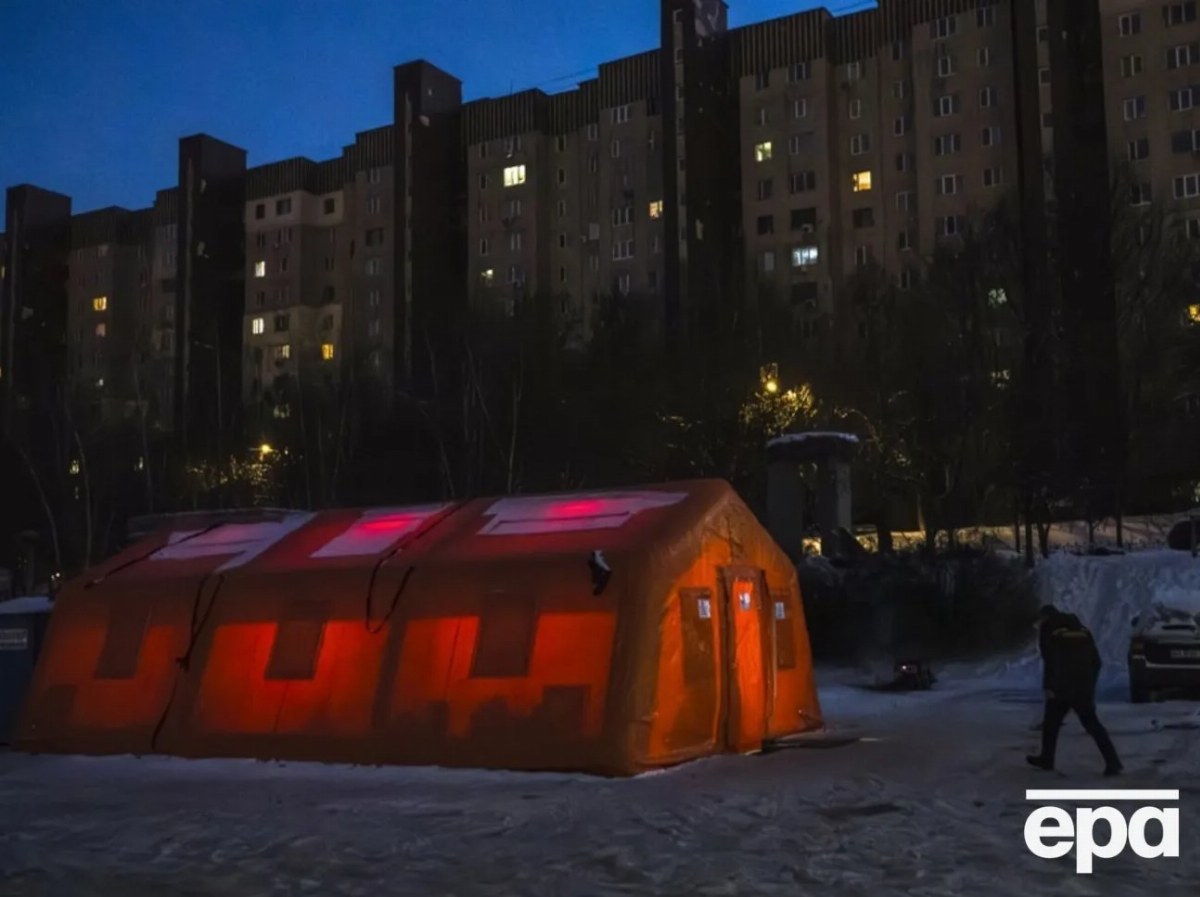
Reports indicate that Russia is preparing to launch one of the most significant attacks of the war, utilizing up to 1,000 missiles, drones, and bombs. The primary targets include electrical substations, hydroelectric and thermal power stations, as well as heating facilities.
The first deputy prime minister and minister of energy of Ukraine, Denys Shmyhal, presented this intercepted information to European partners in Paris two weeks ago. In an interview, he stated that Ukrainian intelligence had successfully intercepted documents detailing the Kremlin’s winter plans.
While a large-scale assault was initially anticipated for late autumn with the onset of cold weather, Russia commenced its attacks earlier than expected. On the night of October 1, Russia renewed its heavy strikes on Ukraine’s energy infrastructure, leading to emergency power outages across several regions.
According to the intercepted Russian plan, the assaults are structured in three stages. The first phase focuses on disabling substations near Ukraine’s western borders, which are crucial for electricity imports from Europe. The second phase targets hydroelectric stations, while the third aims to disrupt operations at three active nuclear power plants in Ukraine by attacking distribution substations connecting them to the energy grid. This last stage has been described as the “most alarming.”
The plan also outlines strikes on the water supply system, specifically targeting pumping stations and wastewater treatment facilities. This marks a significant escalation, as such attacks have not occurred previously, raising concerns among Ukrainian officials about limited contingency plans for severe disruptions to water supply.
The objective of these attacks is to eliminate nearly 15 GW of generating capacity, equivalent to the amount Ukraine had at the end of summer.
Priority targets include Kyiv, Kharkiv, and Odessa, where Russian forces aim to reduce electricity delivery by 90%, cut heating supply by 90%, and severely disrupt sewage systems.
It remains uncertain whether Russia will adhere to the strategy outlined in the document and whether they will succeed if they attempt it, according to further reports.
The publication could not independently verify the authenticity of the document, dated August and written in Russian.
Ukrainian authorities have invested hundreds of millions of dollars to repair power plants and substations and to establish mobile energy facilities that are harder to hit. Ukraine has also funded improvements to its energy systems. However, energy experts warn that these measures may only mitigate the expected impact, not prevent it. Olena Pavlenko, head of the DiXi Group analytical center on energy issues, stated that four winters of conflict have weakened the country’s energy system to the extent that surviving another winter would be akin to “running a marathon on one lung.”