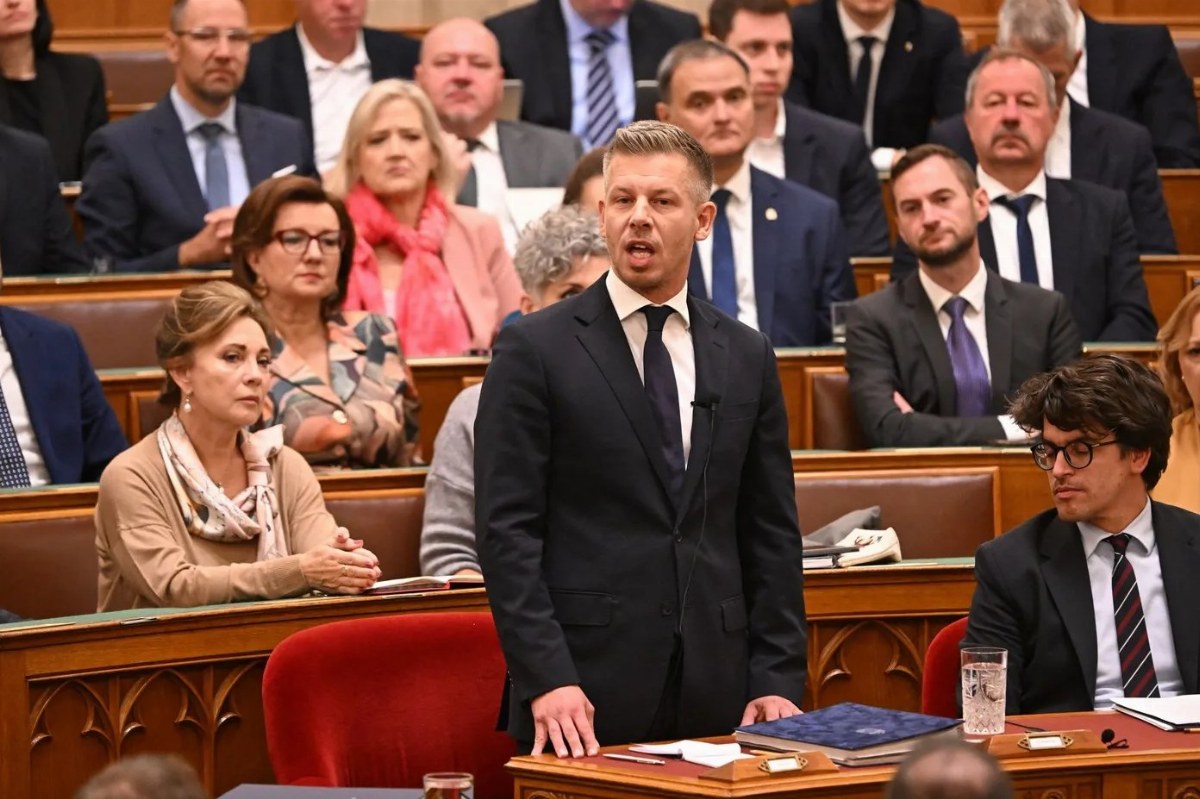
The Hungarian Parliament voted on Monday to lift the immunity of Prime Minister Peter Magyar, as he requested, enabling an investigation into a theft allegation stemming from an incident two years ago. Reports indicate that Magyar allegedly seized a mobile phone from an individual filming him and subsequently threw it into the Danube River.
Alongside Magyar, immunity was also revoked for two opposition parliamentarians who previously served as ministers in Viktor Orban’s government and are now facing corruption charges.
The motion to suspend the immunity of Magyar, former Minister of Culture Balazs Hanko, and former Minister of Development Miklos Sesztak was approved during a special parliamentary session with 139 votes in favor and no opposition or abstentions. The ruling Fidesz party, along with its ally KDNP, boycotted the vote.
In his speech to the legislature, Magyar urged lawmakers to suspend his immunity, expressing accountability for his actions while criticizing the prosecution for conflating his case with those of the former ministers, which he argued are unrelated.
The Hungarian prosecution requested the suspension of Magyar’s immunity following the reopening of an investigation after his tenure as a Member of the European Parliament, during which he also enjoyed immunity.
Details of the Incident Under Investigation
The investigation concerns an incident from June 2024, where, according to the former chief prosecutor, Magyar confronted a citizen filming him in a bar, forcibly took the mobile phone, and threw it into the Danube River in the presence of several witnesses, including the victim, to whom he refused to return the device.
Although the phone was later recovered and returned to its owner, the prosecution asserts that Magyar’s actions meet the legal criteria for theft.
Separately, parliamentarian Balazs Hanko, a member of Fidesz, is under investigation for allegedly embezzling 47 million euros from public funds, some of which is suspected to have financed his party’s campaign for the parliamentary elections held in April.
Meanwhile, Miklos Sesztak, a member of the Christian Democratic KDNP party, is suspected of having received several million euros in bribes for the procurement of second-hand buses between 2014 and 2018.