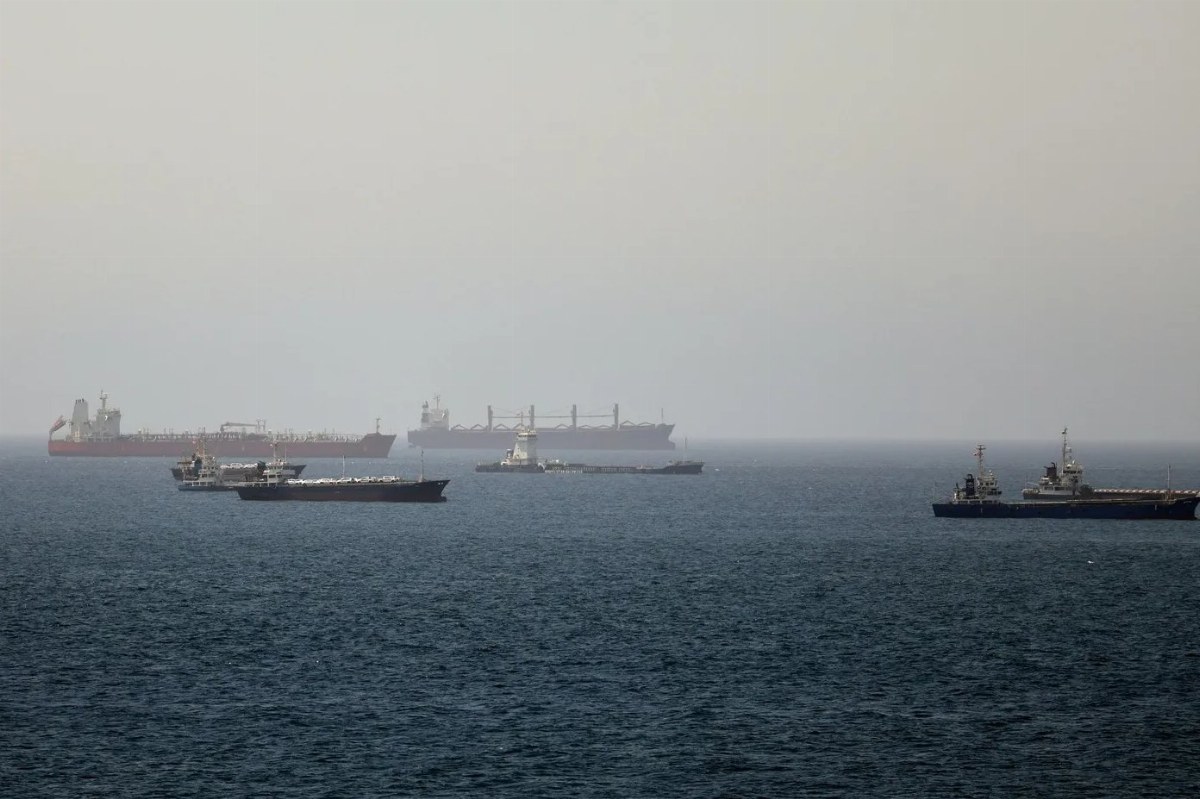
Iran has officially blacklisted 46 oil tankers that it claims have violated regulations for transiting the Strait of Hormuz. The Iranian authorities announced that they would take action against any vessels transporting cargo alongside these listed ships, escalating threats concerning this strategically significant waterway, according to Reuters.
The vessels on the blacklist face potential fines, detention, and confiscation of cargo, as stated in a message posted on social media platform X by the newly established Persian Gulf Strait Authority tasked with managing access to the strait.
The warning follows recent threats from the United States, which has pledged to impose the “harshest sanctions in history” against Iran. In response, Tehran has warned that any new U.S. threats would be met with a “devastating” reaction.
The blacklist includes a range of ships, such as very large crude carriers, liquefied natural gas tankers, liquefied petroleum gas vessels, and ships carrying refined petroleum products.
Some of the listed vessels are reportedly owned by ADNOC Logistics and Shipping (ADNOC L&S) based in the UAE, Navig8 Tankers, a subsidiary of ADNOC, and the Saudi national shipping company, Bahri.
Furthermore, the Iranian authority has threatened to add any ships involved in cargo transfers with the blacklisted vessels to the list as well.
The post did not clarify what is meant by “Iran’s regulations,” but Tehran has previously stated that ship owners must obtain its permission to transit the strait and that they should pay for security and other services.
The U.S. has also imposed a naval blockade against maritime transport linked to Iran.
Prior to the conflict with Iran disrupting tanker traffic, the Gulf region accounted for approximately 20% of global daily crude oil and liquefied natural gas production.
Efforts by the U.S. to covertly assist tankers in navigating the Strait of Hormuz to fuel supertankers waiting just outside the strait are contributing to a recovery of some of these export volumes.
Chris Wright, the U.S. Secretary of Energy, stated on X that “the seven-day average of oil leaving the strait exceeds 8 million barrels per day. There should be no doubt: thanks to the U.S. Navy, oil is flowing through the Strait of Hormuz.”
The Iranian blacklist also includes vessels owned by Klaveness Ship Management, Stolt Tankers, and the South Korean company Sinokor.
The Persian Gulf Strait Authority urged cargo owners to consult an updated list of non-compliant vessels for trips related to the Persian Gulf.
Vessels wishing to be removed from the blacklist must submit a request along with relevant explanations to the Iranian maritime authorities, as mentioned in the post.