
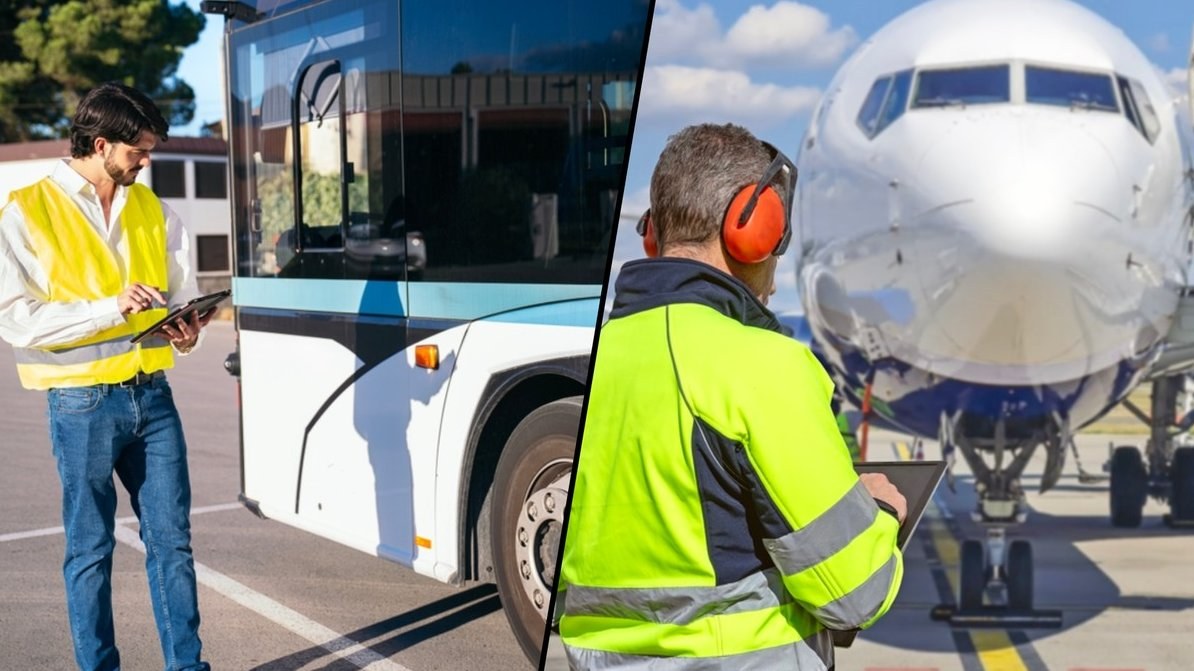
Statistics reveal that traveling by coach is significantly less safe than flying, even though the costs are often much lower. This discrepancy prompts a deeper look into why that is the case and highlights key areas where bus operators should not cut corners.
The recent tragic accident involving a Polish coach in Hungary serves as a stark reminder that the low cost of cheaper trips involves more than just fuel and the margins of the tour operator. It encompasses a whole system of costs that responsible transport companies must consider.
Why Coaches Are Cheaper Than Flights
Coach travel remains one of the most economical ways to transport large groups. A single vehicle typically accommodates dozens of passengers, providing direct service from schools, companies, or community centers to hotels or tourist attractions, eliminating the need for separate airport transfers, check-ins, baggage handling, and local transport. This is why it is a cost-effective solution for school trips, pilgrimages, senior tours, sports camps, and multi-country excursions.
The economics are straightforward: a fuller bus means lower costs per passenger. Fuel, road fees, driver salaries, vehicle depreciation, insurance, and maintenance largely contribute to the total cost of the journey rather than the cost of each individual seat. For instance, if a coach carries 50 people, the overall trip cost is distributed across those 50 tickets.
While airlines operate on a larger scale, they also bear higher fixed costs, including crew salaries, aircraft leasing, maintenance, airport fees, security checks, and fuel. Airlines can offer very low ticket prices due to scale, dynamic pricing, baggage fees, seat selection fees, priority boarding, and high aircraft occupancy rates, but this model does not easily translate to group tourism.
Additionally, coaches offer flexibility; they can stop en route, rearrange sightseeing schedules, pick up passengers from smaller towns, and manage routes that would require multiple transfers by air or rail.
However, the low cost of coach travel should not be considered a miraculous economic solution. It results from a different cost structure but also a different exposure to risk.
Coaches Are Less Safe Than Air Travel
Data shows that air travel is statistically safer than coach travel, particularly when comparing the risk of fatalities per kilometer traveled. However, caution is necessary regarding methodology: we have robust recent data for aviation, while comparable European statistics for coaches are less frequent.
European Commission data from 2011 to 2016 indicated that flying was roughly four times safer than coach travel when measuring the risk of death per unit of distance. Nonetheless, this does not imply that coaches are unsafe; they are, in fact, one of the safest forms of road travel. An older study by the European Transport Safety Council suggested that the risk of death for coach passengers is about ten times lower than for car passengers.
According to a recent IATA report, there were 38.7 million flights worldwide in 2025, resulting in 51 accidents, including 8 fatal incidents and 394 fatalities. The accident rate averaged 1.32 per million flights, which is roughly one accident per 760,000 flights.
In Europe, the situation was even safer, with European carriers reporting 1.30 accidents per million flights and a zero fatality rate.
What Is Included in the Cost of Coach Travel?
Fuel is the largest single expense in long-distance transport. International trips involve hundreds or thousands of kilometers, leading to substantial fuel costs that fluctuate with fuel prices, currency exchange rates, and the country of refueling. The second major expense includes road fees: tolls, vignettes, city entry fees, and sometimes environmental zones.
Driver costs encompass salaries, social security contributions, per diems, accommodations, and ensuring adequate staffing for longer routes. Vehicle-related expenses include leasing or depreciation, servicing, tires, brakes, inspections, repairs, insurance, cleaning, garage space, and maintaining technical readiness.
Empty runs also add costs, as coaches seldom earn income from the first to the last kilometer. They may need to travel to pick up passengers, return empty, wait at locations, or complete additional transfers. Operators must factor not only the route from point A to B but also the overall utilization of their vehicles and drivers over time. If a coach is stationary, it generates no income; if it travels empty, it incurs costs.
However, coach transport cannot be cheap at all costs. If an offer seems unusually low, questions should be raised about where the savings arise. Are they due to full bookings, efficient logistics, and stable contracts, or from outdated fleets, minimal driver staffing, tight schedules, deferred maintenance, and insurance purchased merely to meet basic legal requirements?
This inquiry is especially critical for trips organized by schools, clubs, workplaces, or public institutions. Buyers often compare offers based solely on price, which is the easiest factor to evaluate. Factors such as the quality of the carrier, safety culture, driver experience, vehicle age and condition, emergency procedures, and rest conditions can be harder to assess. The market then signals that the lowest bid wins. In transportation, cutting below a certain cost threshold does not reflect efficiency but shifts risk onto passengers.
Where Can Coach Operators Be Profitable, and Where Should They Not Cut Costs?
Operators can profit by efficiently utilizing their fleet, establishing ongoing agreements with travel agencies, schools, or companies, minimizing empty runs, negotiating favorable fuel purchase conditions, planning routes to avoid unnecessary kilometers, and investing in vehicles that consume less fuel and are less prone to breakdowns. They can also profit from quality by offering higher standards, better coaches, more experienced drivers, and serving corporate trips, premium tours, sports events, or international transfers where customers pay not just for transit but for organizational assurance.
However, they should not seek savings in areas that passengers cannot easily verify. The most sensitive areas include driver working hours, vehicle condition, servicing, tires, brakes, insurance, and organizational reserves. An overly tight travel schedule may appear appealing in marketing materials, allowing more sights to be seen in less time. In practice, it often translates into nighttime travel, pressure for swift arrival, shorter breaks, and less margin for traffic issues, weather, or delays.
Delaying repairs might improve financial results temporarily, but in passenger transport, such logic is dangerously reckless. Treating drivers merely as a cost to be maximized is equally misguided.
After a coach accident abroad, questions often arise regarding liability, insurance, consular assistance, medical treatment, transport of the injured, and compensation. This underscores that the tourism product does not conclude with the sale of a bus seat. Operators also sell the capacity to effectively manage crises. Insurance policies, emergency assistance, contact procedures with families, passenger lists, emergency numbers, cooperation with consulates, and prompt communication with insurers are not administrative add-ons—they are integral to responsible business costs.
The takeaway for passengers is uncomfortable but straightforward: the cheapest offer is not always the best. While not every low-cost trip is risky—low prices can stem from good occupancy, early bookings, off-season travel, or effective organization—if a price is significantly lower than competitors, it is wise to ask what it truly includes.


