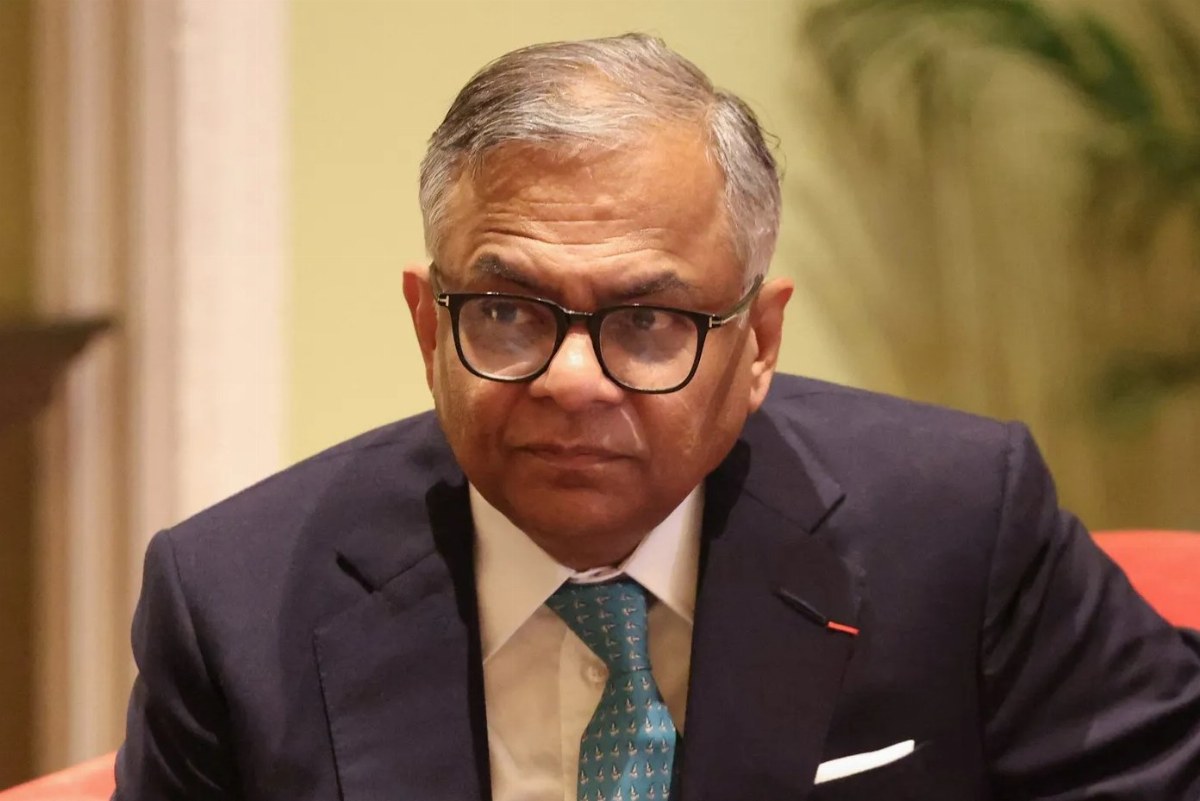
N. Chandrasekaran, the chairman of Tata Group, has announced he will not seek re-election in February, following six months of unresolved tensions within the board of directors. This decision introduces uncertainty regarding the group’s future, according to reports.
The 63-year-old Chandrasekaran indicated that the board of Tata Sons failed to reach a consensus on extending his five-year term, which was initially proposed several months ago. He noted that one board member did not support the initiative when it was first introduced in February, although he did not disclose the individual’s identity.
“In the absence of unanimous support, I chose to defer the decision,” he stated, revealing that no agreement had been achieved even six months later.
Chandrasekaran was appointed chairman in 2017, succeeding the late Cyrus Mistry, whose abrupt removal had triggered a fierce legal battle. He emphasized the necessity of clear leadership for Tata Group, particularly as many strategic projects are at critical execution stages. He stated that clarity on leadership is vital for employees, investors, partners, and other stakeholders.
The announcement of his resignation comes just days before the annual general meeting of Tata Sons and highlights ongoing tensions among board members. Following the news, shares of Tata companies listed on the stock market plummeted, raising concerns about the conglomerate’s future. Tata Group operates diverse businesses ranging from salt production to steel manufacturing and includes subsidiaries like Air India, Tata Steel, and Jaguar Land Rover.
Conflicting Objectives
Tata Group operates under a unique structure where a charitable branch, Tata Trusts, owns 66% of the parent company, Tata Sons. This arrangement provides the group with regulatory and tax advantages while enabling charitable activities. However, experts have noted that the dual objectives of philanthropic and commercial interests have occasionally led to governance issues.
Tata Trusts has three representatives on the Tata Sons board. Reports suggest that board members have disagreed over various issues, including board nominations, funding approvals, and the public listing of Tata Sons. The group has not publicly commented on these internal disputes.
These internal disagreements pose a distraction for the group at a time when it is facing significant challenges, including the recovery of Air India, which was acquired from the Indian government in 2022.