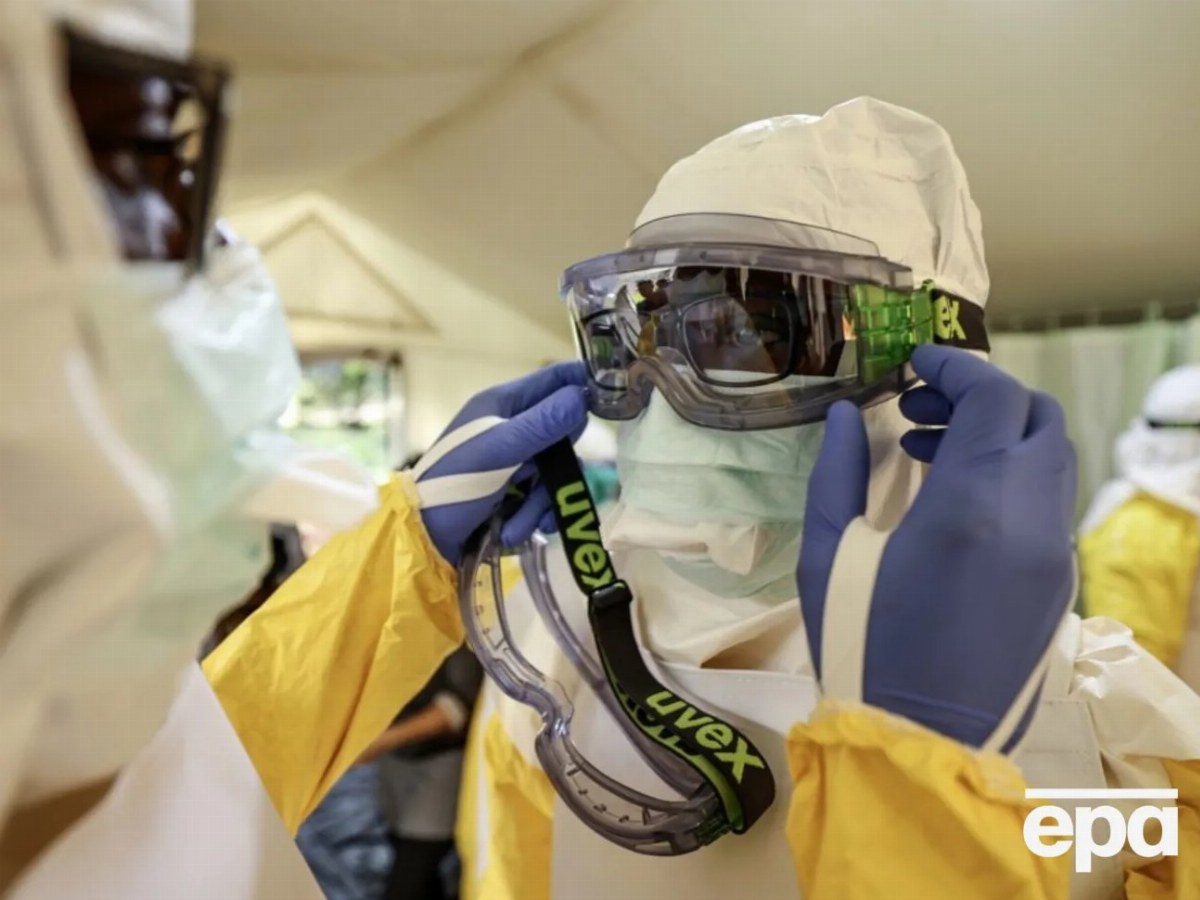
Health authorities in the Democratic Republic of Congo (DRC) have reported that the current Ebola outbreak is now the second largest in history, with an unprecedented severity of the Bundibugyo strain. Concerns are mounting among medical professionals regarding the potential mutation of the virus, particularly due to its high mortality rate outside of hospital settings.
In response to the outbreak, healthcare workers are implementing proactive measures, including door-to-door visits to search for patients, the introduction of the antiviral drug remdesivir, and the initiation of experimental vaccination campaigns.
The epicenter of the outbreak is in the mining province of Ituri, but the disease has already spread to four neighboring regions. The situation is further complicated by ongoing conflict and mass displacement of refugees.
Context
- On May 17, the World Health Organization declared a public health emergency of international concern due to the Ebola outbreak in Africa.
- As of May 31, there have been 246 confirmed deaths in DRC, while neighboring Uganda reported nine confirmed cases and one death. During this period, the BBC reported that the first five patients in DRC had recovered, celebrated in a ceremony in Bunia, Ituri province, where they received certificates of recovery.
- The Ukrainian Ministry of Foreign Affairs has advised citizens to avoid travel to DRC, especially in Ituri and South Kivu provinces, and recommended that those already in the area adhere to local authorities’ guidance and monitor official communications from the Ukrainian embassy.