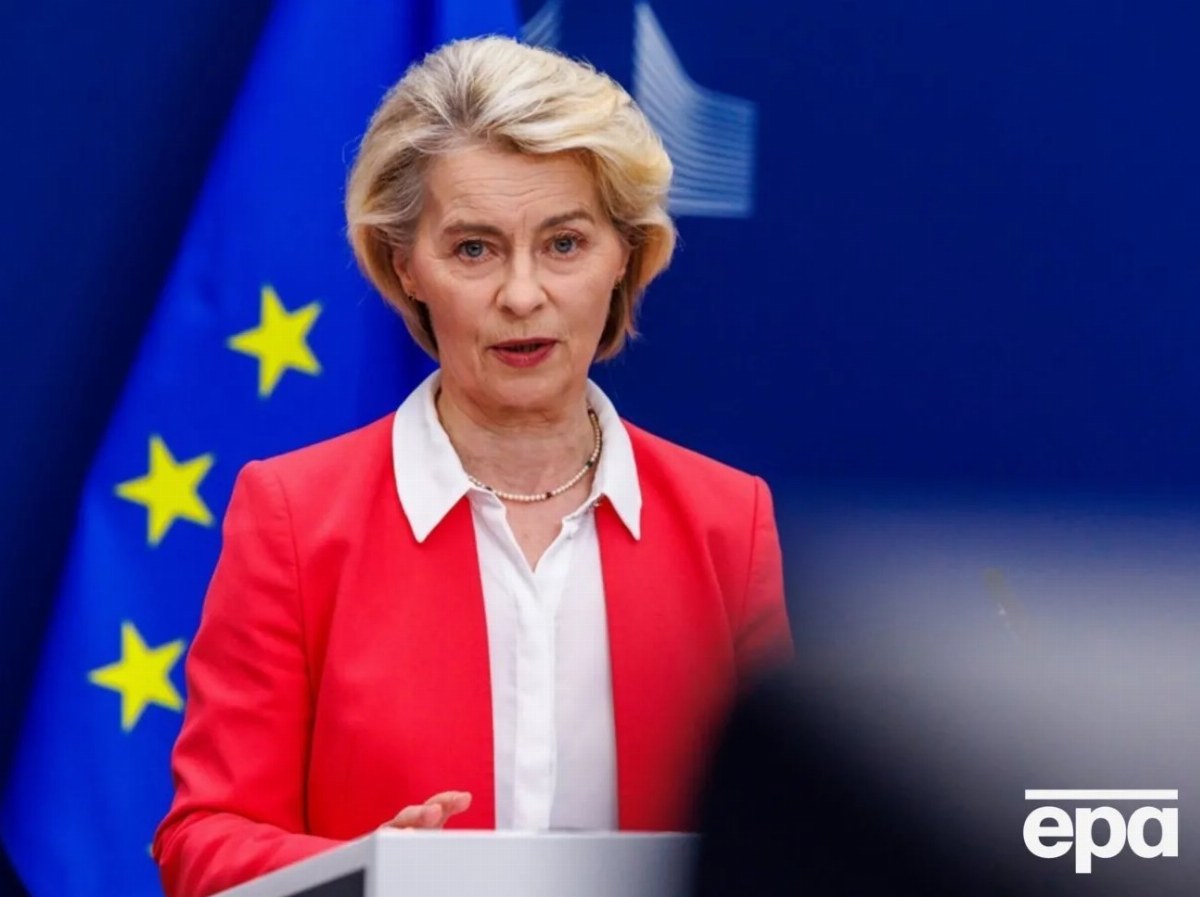
European Commission President Ursula von der Leyen confirmed the approval of the 21st sanctions package against Russia, emphasizing that as Ukraine gains military momentum, the EU’s sanctions continue to undermine the economic foundations of Russia’s military actions.
The new sanctions will expand restrictions to include 32 additional Russian banks, cryptocurrency firms, and oil trading platforms. It will also freeze oil prices for one year to prevent Russia from exploiting market disruptions.
For the first time, the EU will impose sanctions on vessels aiding Russia’s clandestine fleet and will take significant steps toward formally banning Russian military personnel from entering the EU, von der Leyen announced.
Earlier that day, reports indicated a political agreement was reached among EU member state ambassadors after Greece had previously blocked the sanctions. On July 19, the Financial Times reported that the EU faced a sharp decline in support for new economic sanctions against Russia, with unprecedented resistance. Greece, France, Italy, Germany, Austria, and Portugal were among the nations requesting exceptions from the latest sanctions package.
According to Euronews, Greece’s support was secured after it obtained a special permit to continue supplying liquefied natural gas (LNG) to its clients outside the EU in the near future.
Context
- The new sanctions package was introduced on June 9 by von der Leyen, focusing on energy, financial services, cryptocurrency, trade, and visas for Russians. She stressed that the Commission aims to ban entry into EU countries for anyone who has served in the Russian armed forces since the start of the war in Ukraine.
- On July 6, European Pravda reported that the adoption of the 21st sanctions package might be postponed until autumn if member states did not reach a compromise soon.