
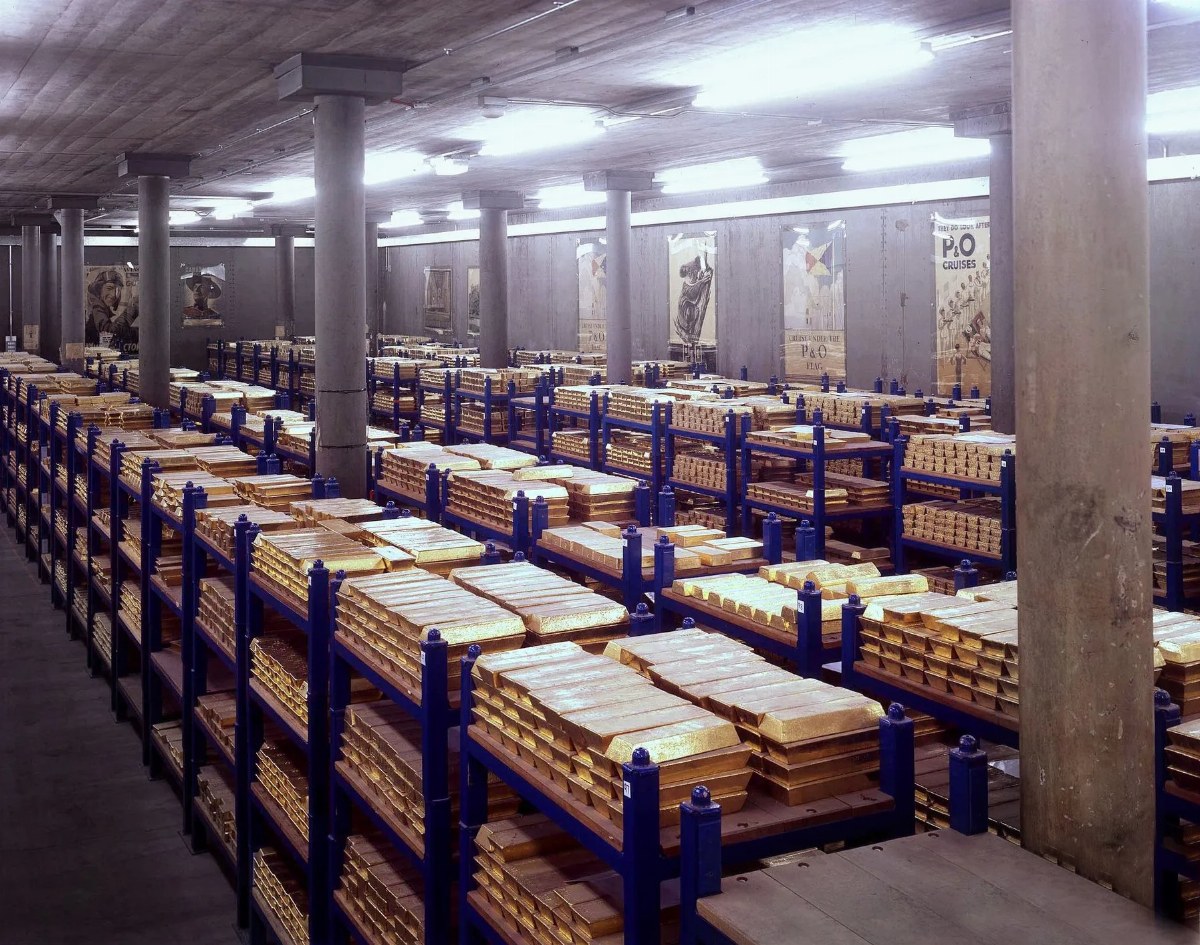
The Central Bank of Russia has sold a significant amount of its gold reserves for the sixth consecutive month to mitigate a federal budget deficit that reached nearly 6 trillion rubles ($76 billion) in the first half of the year, according to reports.
In June, the bank reduced its gold reserves by 9.33 tons, bringing the total amount sold since the beginning of 2026 to 43.5 tons, as per regulatory data. This marks the largest sale in at least 25 years, based on statistics from the World Gold Council. The only comparable gold sale occurred in 2002 when Russia’s reserves dropped by 36.1 tons over the same six-month period.
During the COVID-19 pandemic, the Central Bank sold significantly less gold—only 7.6 tons from July 2020 to April 2021. As of July 1, 2026, the bank’s gold reserves stood at 2,283 tons, the lowest level recorded since February 2020.
Value of Gold Sold by the Central Bank of Russia
From the gold sales, the Central Bank potentially generated around $5.6 billion. Analyst Vladimir Cernov from Freedom Global noted that these funds were utilized to balance the budget.
The Central Bank initiated these sales because it does not want to deplete its remaining yuan reserves, as previously reported by economists Aleksandra Prokopenko and Aleksandr Koliandr.
The yuan is the last currency available for the Central Bank’s market operations and for influencing the ruble’s exchange rate, though the exact volume of these reserves remains unknown. Following the imposition of Western sanctions, the Moscow Central Bank classified information regarding its reserve structure, and around $300 billion worth of assets in the West have been frozen.
Recent data indicates that the Central Bank held approximately $100 billion in Chinese yuan, though this figure may have declined since then.
Cernov suggested that most of the gold was likely sold to Russian banks through stock market and over-the-counter transactions. Data from the Moscow Exchange supports this trend, showing a significant increase in gold trading activity this year. In March alone, the trading volume reached 42.6 tons, with 14 tons involving physical delivery of the metal.


