Russia is currently experiencing significant fuel shortages, prompting discussions among government officials about prioritizing fuel supply for vehicles servicing major food retail chains, according to Vice Premier Alexander Novak. This announcement comes as the nation grapples with the impact of Ukrainian attacks on its energy infrastructure and oil refineries.
The Ukrainian drone strikes have targeted several Russian refineries since spring, aiming to increase the war’s costs for the Kremlin and disrupt daily life for Russian citizens. These attacks have significantly hampered production at affected facilities, leading to widespread fuel shortages and rising prices across the country.
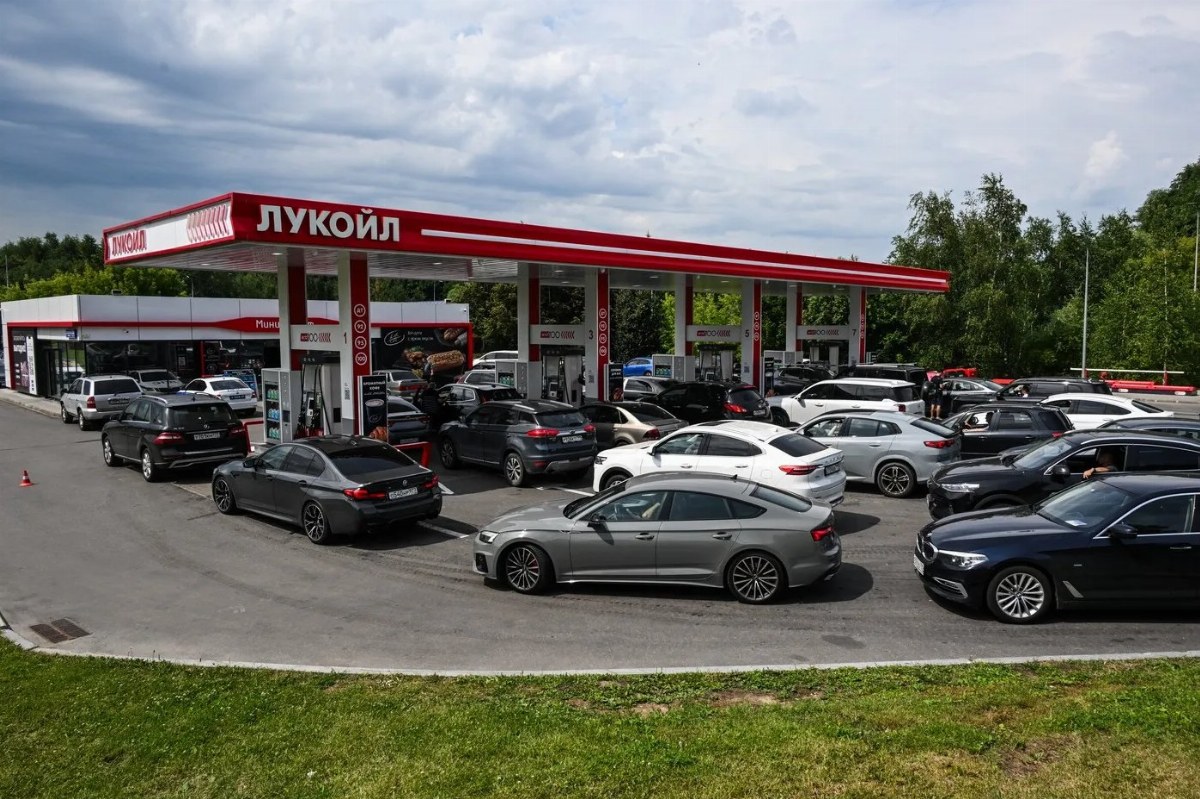
In June, President Vladimir Putin acknowledged that the country was facing a “certain shortage” of fuel due to the ongoing Ukrainian assaults. In response, several regions have implemented rationing measures based on vehicle registration numbers, among other strategies to cope with the deficit. In Krasnodar, for instance, teachers were sent to gas stations during the summer break to monitor queues and assist drivers, receiving only tea and coffee as compensation, according to Kyiv Post.
Sharp Decline in Gasoline Production
Russia’s gasoline production has plummeted to approximately 65% of the seasonal average consumption, based on information from two industry sources and calculations by Reuters. Novak stated, “We discussed the necessity of prioritizing fuel supply for vehicles delivering food products to large retail chains. This is crucial to prevent food spoilage and to avoid additional costs that could ultimately reflect in consumer prices.”
Authorities typically issue fuel cards that drivers can utilize to refuel their vehicles. Novak also indicated that a government working group established to tackle the fuel crisis has considered diesel supply for the agricultural sector.
The Central Bank of Russia warned that the decline in fuel production would negatively impact the country’s economic growth in the second quarter of 2026.