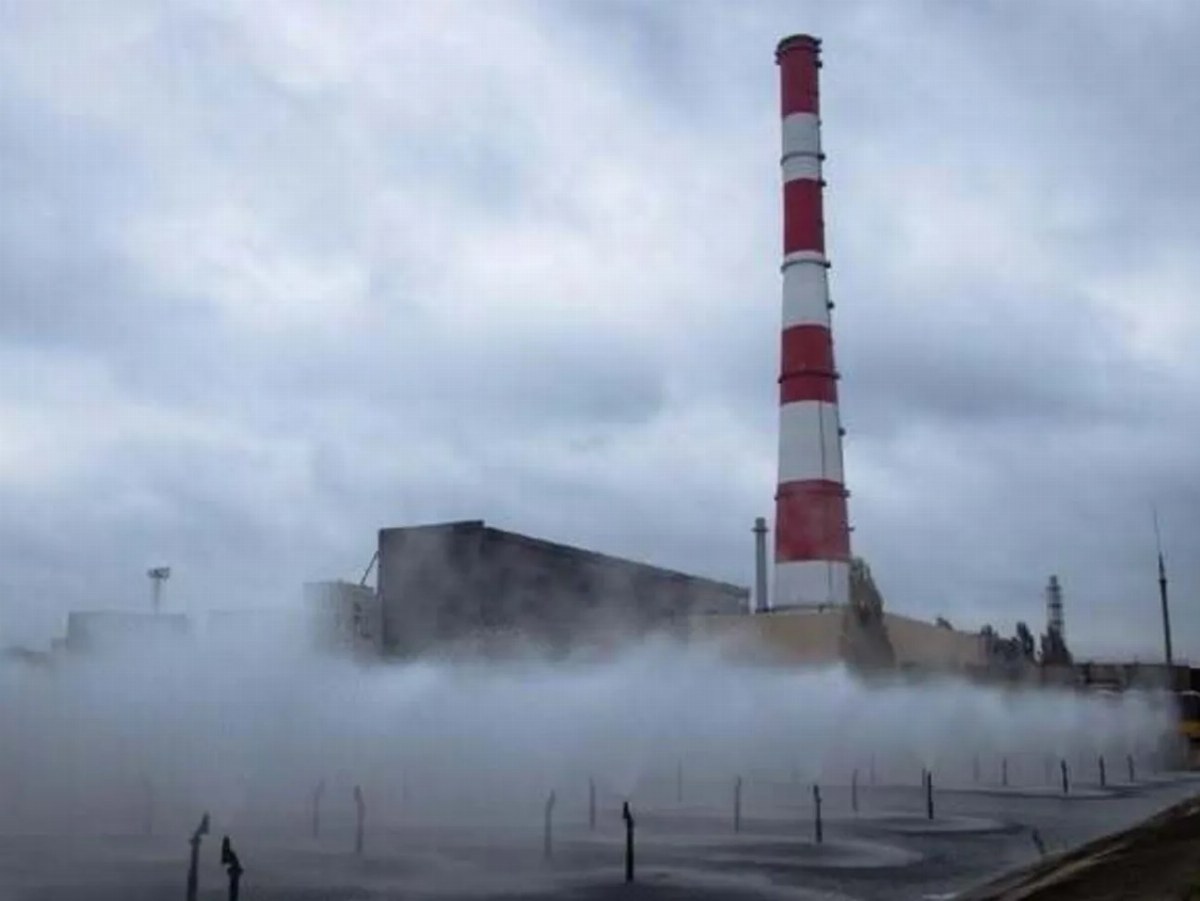
A recent study by the Ukrainian Institute for the Future (UIF) indicates that Ukraine may suffer economic losses ranging from $260 billion to $300 billion by 2035 if current policies remain unchanged. Anatoliy Amelin, co-founder and executive director of UIF, emphasized that the research began with an evaluation of the repercussions of halting operations at the Inhulets Mining and Processing Plant.
“I was intrigued by what would happen if other enterprises were to close. We calculated that the closure of just one large plant costs the state billions of hryvnias in budget losses. This led to the idea of investigating the trajectory of Ukrainian industry and the potential outcomes if current trends persist,” he stated.
The UIF report warns that Ukraine is not merely choosing between reforms and stability but is facing difficult decisions that could lead to deindustrialization. The costs of inaction, they assert, will be significantly higher than reform expenses.
According to experts, Ukraine is at risk of encountering a combination of negative factors, including high electricity prices, rising railway tariffs, the implementation of the Carbon Border Adjustment Mechanism (CBAM), a labor shortage, and a lack of modern industrial policy. They warn that these factors could culminate in a “loop of degradation,” where issues in one sector exacerbate problems in others.
Amelin highlighted the challenges faced by the state railway company, Ukrzaliznytsia. He noted that funding unprofitable passenger transportation through profits from freight services is an unsustainable model.
“We have lost almost 50% of freight traffic compared to the start of the war. This has nearly eliminated the ability to continue subsidizing passenger transport at the expense of business. If we keep raising freight tariffs, the industrial sector will simply collapse,” he explained.
Researchers argue that the government should fund important passenger transport within its policies rather than shifting costs to industrial enterprises. Increasing freight rates will only deepen the crisis in the industry instead of resolving the financial issues faced by Ukrzaliznytsia.
The authors identified CBAM as another systemic challenge for Ukraine. Without a transitional period, the country risks losing its competitiveness in metallurgy, chemical industries, and other export-oriented sectors.
“For many enterprises, it will be easier to close or move investments to other countries than to invest tens of billions of dollars in decarbonization amid war and high risks,” Astakhov noted.
According to UIF, the labor shortage in the industrial sector reaches approximately 37%, exacerbated by the war and emigration. “Seven million Ukrainians currently abroad contribute added value to other countries’ economies, while Ukraine is losing human capital and potential economic growth,” the study concludes.