As Ukraine’s harvest season approaches, the agricultural sector faces unprecedented challenges, particularly in occupied Crimea. Since the onset of Russia’s full-scale invasion, farmers grapple with war-related risks, including crop destruction from missile strikes and territorial occupation. This year, the situation is dire; Russians risk facing a harvest failure.
Recent reports indicate that a large-scale fuel crisis has emerged in Russia, impacting over 50 million people, or approximately 35% of the population. Many regions have implemented fuel sale restrictions, with three regions declaring heightened readiness—an indication of an impending emergency. Crimea has been particularly hard hit, declaring a state of emergency on June 26, where gasoline is only available through rationing.
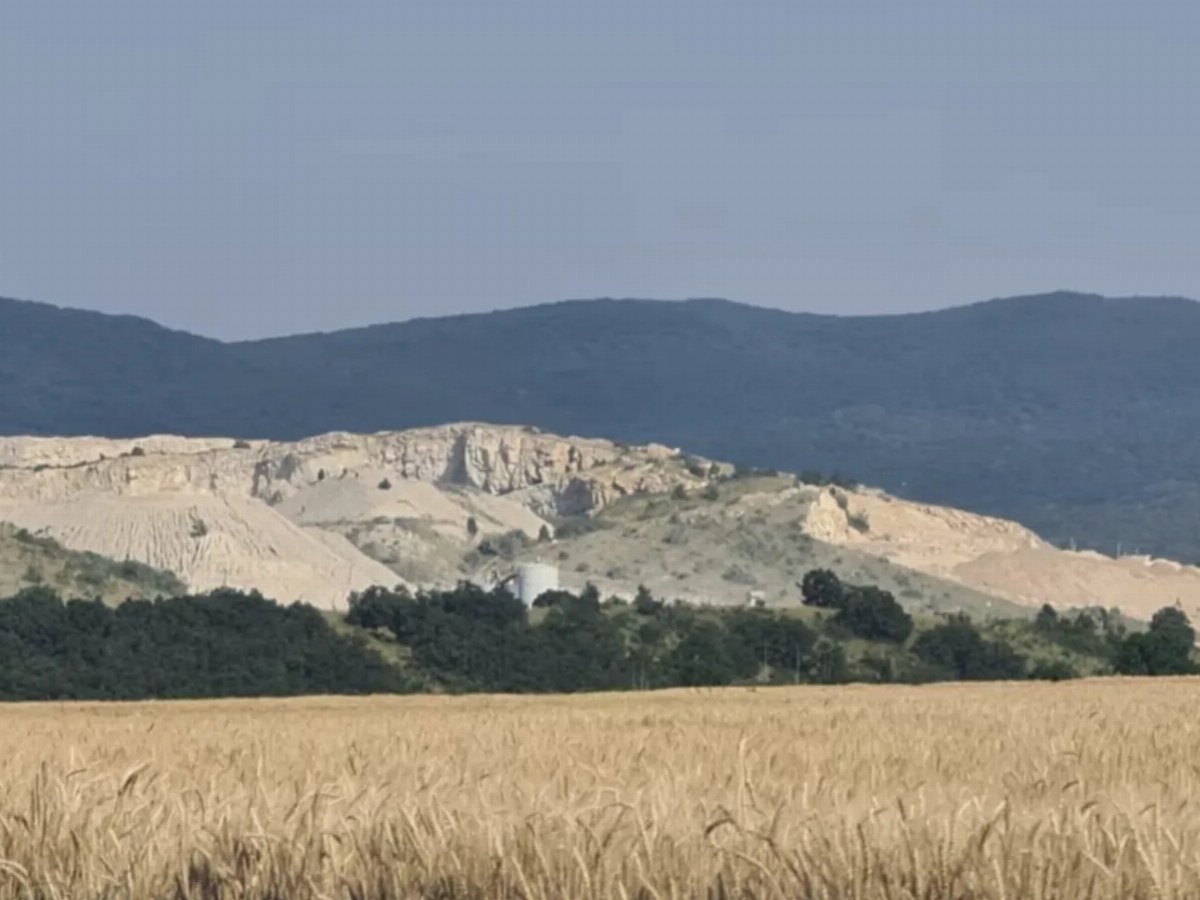
The urgency for harvesting crops is critical, as farmers must act swiftly while the weather remains favorable. According to Russian reports, the window for harvesting ripe grain is limited to between one week and ten days. However, many farmers in Crimea have been unable to commence harvesting due to a complete lack of fuel for their machinery. Reports indicate that fields near Bilohirsk, close to Simferopol, remain unharvested.
The conditions extend beyond Crimea, with farmers in Russian regions struggling to secure fuel. Harvesting has been described as a “true nightmare” by industry insiders, who report that fuel stocks will only last about a month. Officials continue to compile endless data charts regarding fuel needs, yet no concrete solutions have materialized.
In southern regions where harvesting begins, the fuel shortage is most acute. A local farmer in Kuban, Artem Bilobrytsky, explained that while some fuel can be found on the M4 highway, it comes with long wait times and limitations on how much can be purchased. The situation worsens the further one moves away from major routes.
Large agricultural holdings may have sufficient fuel supplies for up to a month, while smaller farms are limited to just 14 days of operation. However, the process of purchasing fuel wholesale is fraught with uncertainty regarding availability and pricing. Reports suggest that wholesale diesel prices can reach 80–90 rubles per liter, while retail prices fluctuate between 75–77 rubles per liter. This discrepancy poses a significant challenge for smaller producers.
As of July 1, only 1.3 to 1.5 million hectares had been harvested across Russia, significantly lower than the 4.2 to 4.6 million hectares reported during the same period last year. Experts cite unfavorable weather conditions and fuel shortages as contributing factors. Despite government claims of sufficient yields and compliant agricultural timelines, the reality on the ground remains precarious.
While the central regions of Russia have not yet begun their harvesting season, the situation remains fluid and heavily influenced by Ukraine’s military strategies. As targeting of oil infrastructure intensifies, the potential for crop failures and disrupted planting seasons looms large on the horizon for Russia’s agricultural sector.