The International Institute for Strategic Studies (IISS) has uncovered evidence of Moscow’s extensive drone surveillance operations targeting military sites across Europe over the past 18 months. The report details 144 suspicious drone incidents occurring in various European nations, primarily aimed at military installations in the UK, France, Belgium, and the Netherlands.
According to the report, the Kremlin is alleged to have engaged in a significant espionage campaign, operating with little regard for consequences. European authorities have reportedly found themselves unprepared and bewildered by these actions.
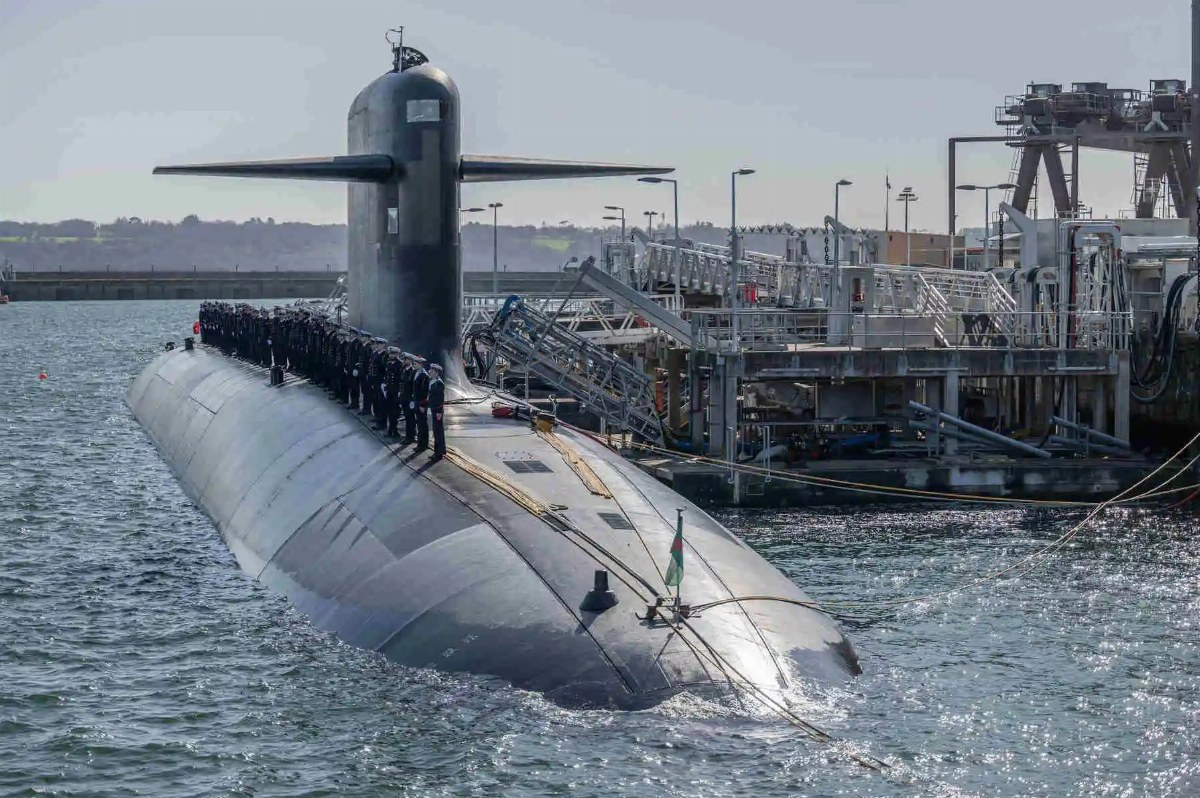
Unmanned aerial vehicles (UAVs) have been spotted above critical locations, including the RAF Lakenheath base in Suffolk, known for hosting American nuclear weapons, and France’s nuclear submarine base at Île Longue. The drones are thought to have been launched from maritime locations, as indicated by The Guardian.
While European governments have been hesitant to directly accuse Russia, Charlie Edwards, a lead researcher at IISS, noted that every government consulted expressed support for the report’s publication.
US Air Force Bases Targeted by Drones
Incidents involving unidentified drones began surfacing in late 2024 at several US Air Force bases in England, including RAF Lakenheath and RAF Fairford. American nuclear weapons were reportedly brought to Lakenheath in July 2025. Researchers believe these UAVs may have been controlled from ships like the Seasons 1, located in the North Sea near Essex, or the cargo vessel Hav Dolphin, which was en route to Hull at the time.
Furthermore, Hav Dolphin was later suspected of involvement in similar drone activity near a submarine base in northern Germany in May 2026. A police helicopter attempted to pursue the drones entering British airspace but had to withdraw for safety reasons, and proposals to use anti-drone lasers were never implemented, according to the report.
Incidents in France, Belgium, and the Netherlands
The IISS report also highlights drone incursions at France’s Île Longue base in December 2025, where five drones were detected flying over the site housing France’s submarine-launched nuclear missile arsenal. At the time, three ships associated with Russia’s phantom fleet were reported to be 100-200 km offshore, while Hav Dolphin was approximately 350 km away.
Similar drone incursions were recorded in November and December 2025 over the Kleine-Brogel base in Belgium and Volkel airbase in the Netherlands, both of which store American nuclear weapons. Concurrently, vessels from the phantom fleet were operating in the international waters of the North Sea.
Russia’s Use of the Phantom Fleet
The report suggests that the drones were likely launched from vessels that navigated without transmitting location signals near the targeted countries. Other ships may have served as recovery platforms or signal relays, employing drone control techniques initially developed during the Ukraine war. Edwards stated, “Our assessment is that it is highly likely the Kremlin executed a coordinated campaign of UAVs over Europe,” affecting more than 12 NATO countries and Ireland.
Edwards described the campaign as a tactical success for the Kremlin but a strategic failure for allied defense, as existing defense systems were designed for conventional military threats rather than low-altitude, inexpensive drones.
Russia’s motivations are believed to include the surveillance of nuclear sites, general military analysis, monitoring logistics and supply chains, as well as economic attrition and psychological warfare, according to Edwards. Last year, the number of drone surveillance operations in Europe peaked, with over 30 incidents reported in both September and November, particularly in Germany. The frequency of these incidents appeared to decline after European naval forces began capturing ships from the phantom fleet in 2026.
Operational Practice, Not Hypothesis
Other incidents included drone sightings over Denmark in September 2025, which led to the closure of Copenhagen Airport and other facilities. Four phantom fleet tankers were present nearby at that time, including Boracay, which was captured by French commandos four days later. Although Boracay was released shortly thereafter, investigations revealed it had a Chinese captain and two Russian contractors employed by the Russian private military company Moran Security Group.
The identification of these two contractors confirmed the militarization of the phantom fleet tankers, marking it as an operational practice rather than a mere hypothesis, the IISS report noted, suggesting that the operation was coordinated by the GRU, Russia’s main military intelligence service.
Additionally, researchers reported four drones flying over an Irish naval vessel that were heading towards the coast in December 2025, on the evening following Ukrainian President Volodymyr Zelensky’s visit. At that time, the Malta-flagged vessel Vezhen was approximately 50 km northwest of Dublin. Earlier, Swedish authorities had detained this ship in January 2025 due to damage to an undersea fiber optic cable, but it was released after determining the action was unintentional.