Farmers in Russia are increasingly worried that they will be unable to harvest their crops due to a fuel crisis exacerbated by Ukrainian drone strikes on refineries and fuel depots.
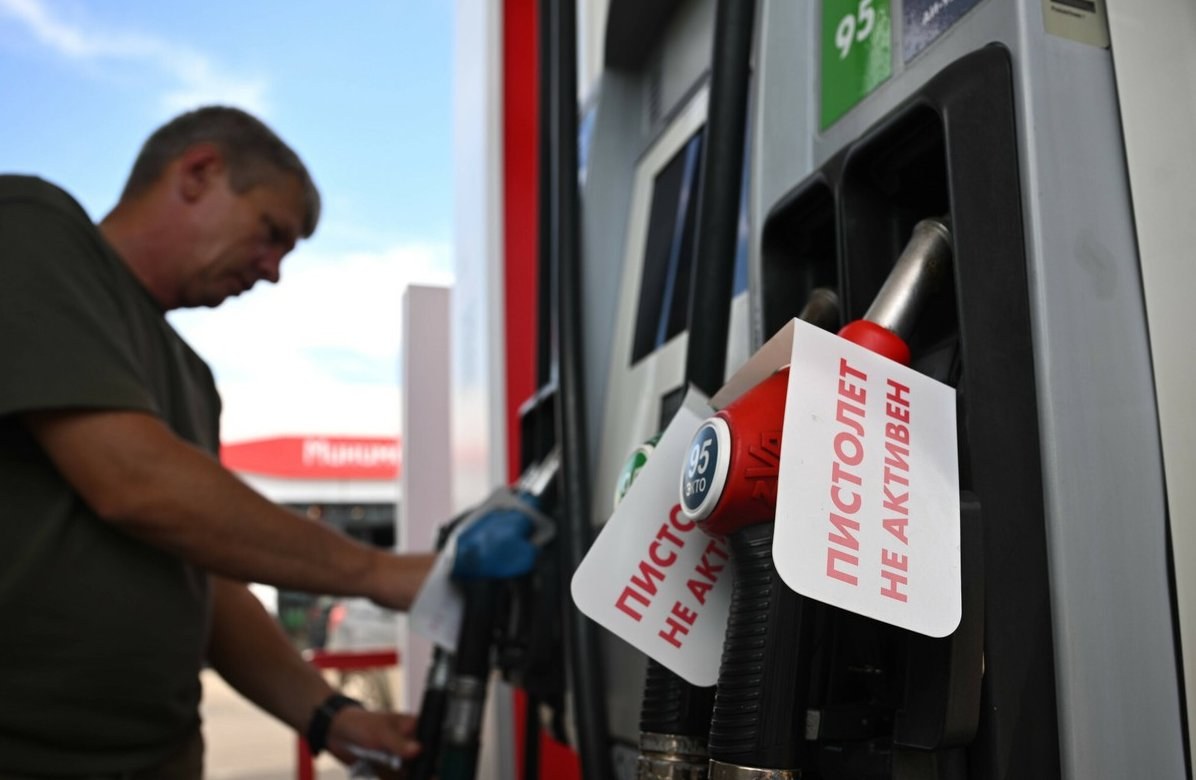
According to reports from Reuters, as Kyiv seeks to apply pressure on Moscow to negotiate peace by targeting the country’s energy infrastructure, resulting damage has disrupted fuel supplies in oil-rich Russia. This has led to restrictions in most regions and escalating public dissatisfaction.
Luxury in Russia
In one video titled “The Greatest Luxury of 2026,” a man humorously pours gasoline from a canister into a lawnmower, joking, “What wealth. Who can afford this today?”
As reported by iPhones.ru, citing data from the Yandex search engine, searches for the phrase “how to drain fuel” surged to over 9,300 by June 21, up from 697 the previous month.
President Vladimir Putin acknowledged on Sunday that issues exist and promised actions to stabilize the market, emphasizing the importance of ensuring fuel supplies for the agricultural sector, which are crucial for the harvest.
His chief energy advisor, Deputy Prime Minister Alexander Novak, stated on Wednesday that efforts are underway to resolve the problems. Reuters reported that Russia has begun importing gasoline by sea from India, and Kazakhstan has agreed to supply Russia with 50,000 tons of fuel in July and August.
Growing Pessimism Among Russians
Even before the sharp increase in shortages last month, Russians assessed economic conditions with more pessimism than at any point in the past 20 years, according to a survey released this week.
In some regions, essential services are being curtailed. In the Zabaykalsky Krai, which borders China and Mongolia, authorities suspended some bus routes, and a waste disposal company halted operations in four districts, citing fuel access restrictions.
If attacks continue, prolonged fuel shortages may weaken public support for the war, which began in February 2022 with Russia’s invasion of Ukraine and has now entered its fifth year.