According to “WP” sources, Qatar proposed to stop gas production. Thus, global energy prices will skyrocket, increasing pressure on the US and Israel to end the war. “You will achieve your goals without attacking us,” was the message to the Iranian authorities.
Iran fired on Ras Laffan
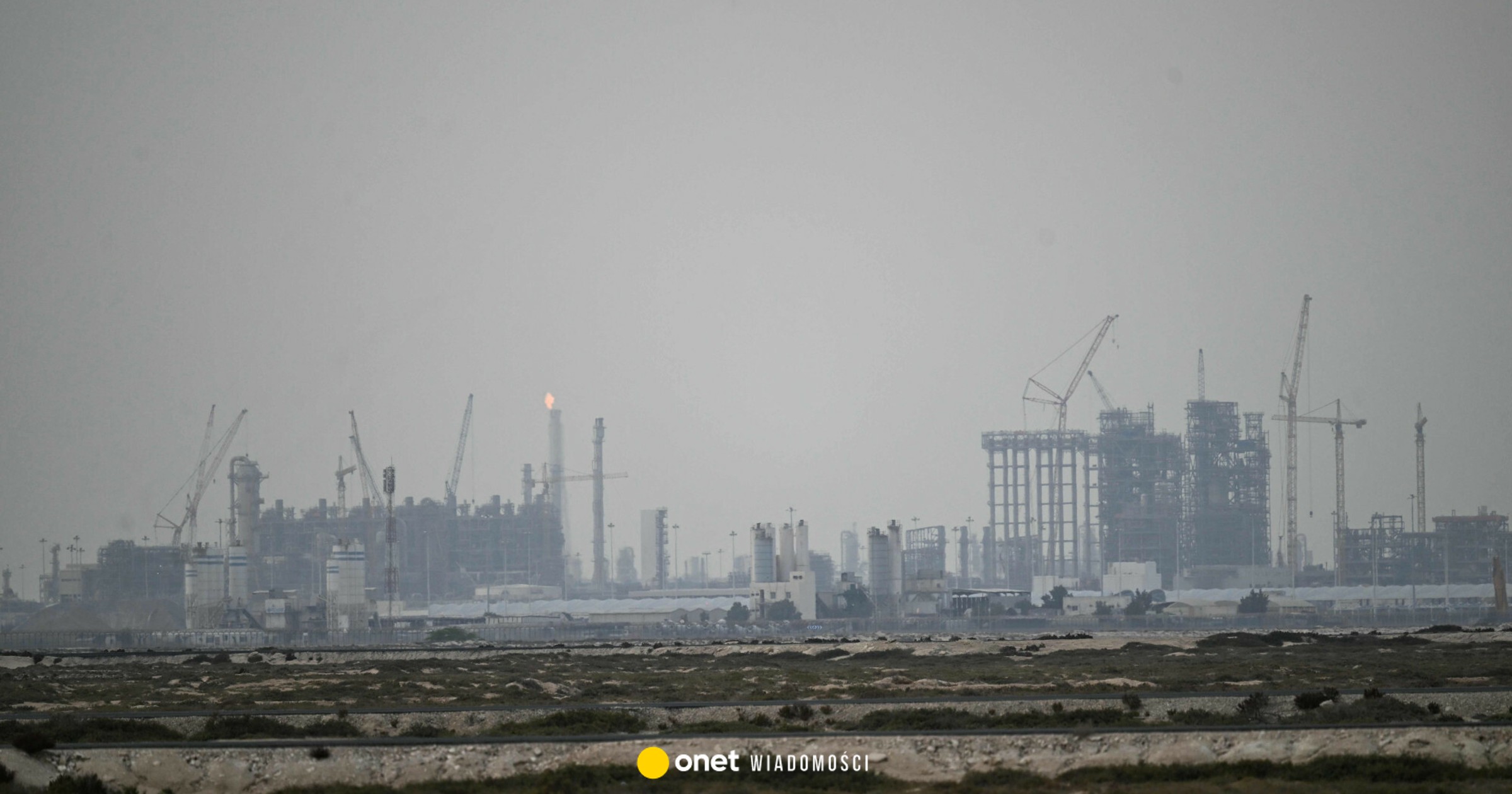
Qatar closed Ras Laffan on the third day of the war, citing “military attacks on functioning installations.” However, satellite photos analyzed by the daily show that no damage to the complex was visible at that time. However, statements by Qatari officials at the time, including the energy minister's warning that the war “will lead to the collapse of economies around the world”, increased widespread fears.
Less than two weeks later, on March 18, Qatar's fears became a reality when Iran fired on numerous targets in the region, including Ras Laffan, after Iran's gas infrastructure was crippled by Israeli air strikes. The Ministry of Energy estimated that the attack destroyed critical infrastructure, which was responsible for almost 20 percent. Qatari liquefied natural gas exports. He estimated that repairing the damage would “take three to five years” and would cause years of disruption to supplies to China, South Korea and Belgium. He added that the attacks “were not just an attack on Qatar” but “on global energy security and stability.”
Qatar categorically denied the US newspaper's claims, saying the accusation was an attempt to “sabotage ongoing mediation efforts aimed at ending the conflict, damage Qatar's reputation and undermine the strategic partnership between Qatar and the United States.”
One Qatari official admitted in an interview with the Washington Post that Qatar “called on Iran not to attack,” but repeated that the described proposal did not take place.
Qatar maintains close contacts with Iranian leaders as part of its role as a regional mediator, the daily recalled. It allows the leaders of the Iran-backed terrorist group Hamas to maintain a presence in Doha and shares with Iran access to the world's largest natural gas field. Some Western and regional officials believe Qatar has an incentive to maintain the status quo in Iran because Doha has benefited disproportionately from the two countries' shared access to the South Pars-North Dome gas field — in part because Iran's ability to exploit its share of the field has been limited by Western sanctions for years.
At the same time, Qatar has strengthened ties with the United States. Its Al-Udeid air base is the largest US military base in the region. A significant part of Qatar's energy infrastructure is co-owned and managed jointly with ExxonMobil and other American companies, emphasized “WP”.
A Qatari official interviewed by an American journalist denied that Doha saw an advantage in the survival of Iran's theocratic government. “For us, Iran has always been a threat, even before the Islamic revolution,” he said.