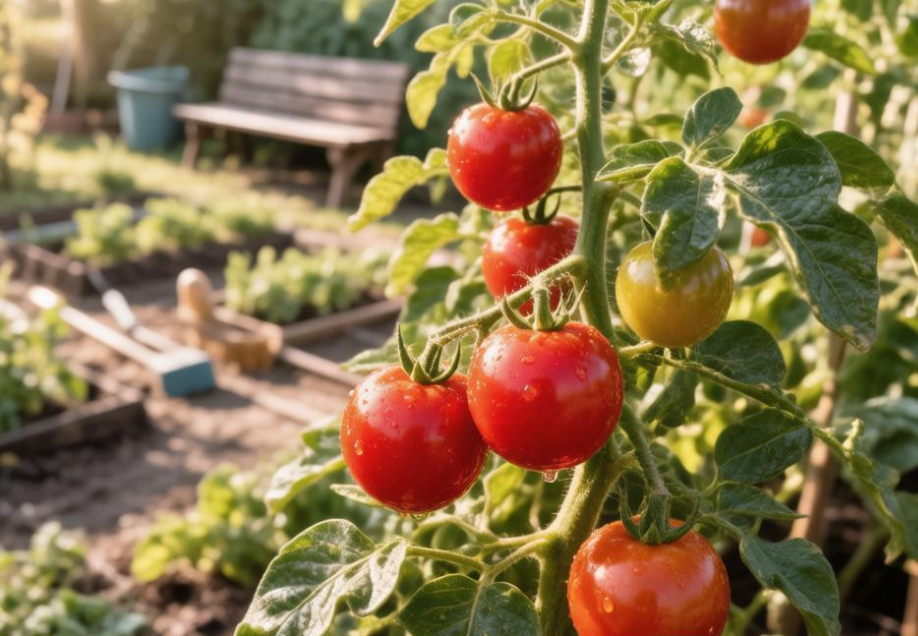
If you want to grow tomatoes in the garden that burst with sweetness and delight you with the harvest until frost, it is important to properly feed the bushes in the middle of summer. Plants now critically need strength to bear fruit, and without the right support, tomatoes can remain small and sour. Even if in past years the harvest was modest, proper feeding this season can change everything.
When to start feeding
The weather has settled in with nights becoming warm and daytime temperatures consistently staying above twenty-five degrees. This is a signal to action. Now the plants no longer need nitrogen, otherwise the bushes will be used as tops to the detriment of the fruits, and the tomatoes will not have time to ripen before the end of the season. The task is to direct the plant’s forces to form sugary, fleshy and aromatic fruits.
What to choose for the garden bed
Previously, many people made do with yeast supplements, but the results from this method are often unpredictable. In addition, yeast can acidify the soil if used frequently. Now it is much safer to take potassium monophosphate, as it gives a predictable and quick effect. If you want to save money, regular wood ash works great. It is enough to dilute one glass in a bucket of water and leave for a day. This is a reliable remedy that the roots absorb instantly and is directly responsible for the sweetness of the fruit and protection against late blight.
How to apply correctly
You will never get the desired result if you pour fertilizer on dry soil. First, water the bushes well with plain water, lightly turn the soil around the trunk, and only then apply the nutrient solution under the root. This way, the tomatoes will immediately receive everything they need and will be rewarded with a continuous and truly tasty harvest.
Personal experience
For a long time I experimented with different fertilizers, but the results were always different. And only when I started combining the ash infusion with regular removal of stepsons, I saw a real breakthrough. The tomatoes became not just large, but sugary at the break. Now I do this: every ten days I water the roots with an ash solution, and once every two weeks I spray the leaves with a weak solution of iodine to prevent diseases. The neighbors still don’t believe that it’s possible to get such a harvest without chemicals, and they constantly ask for the secret. And the secret is simple – don’t be lazy and feed the plants on time, exactly when they need it most.