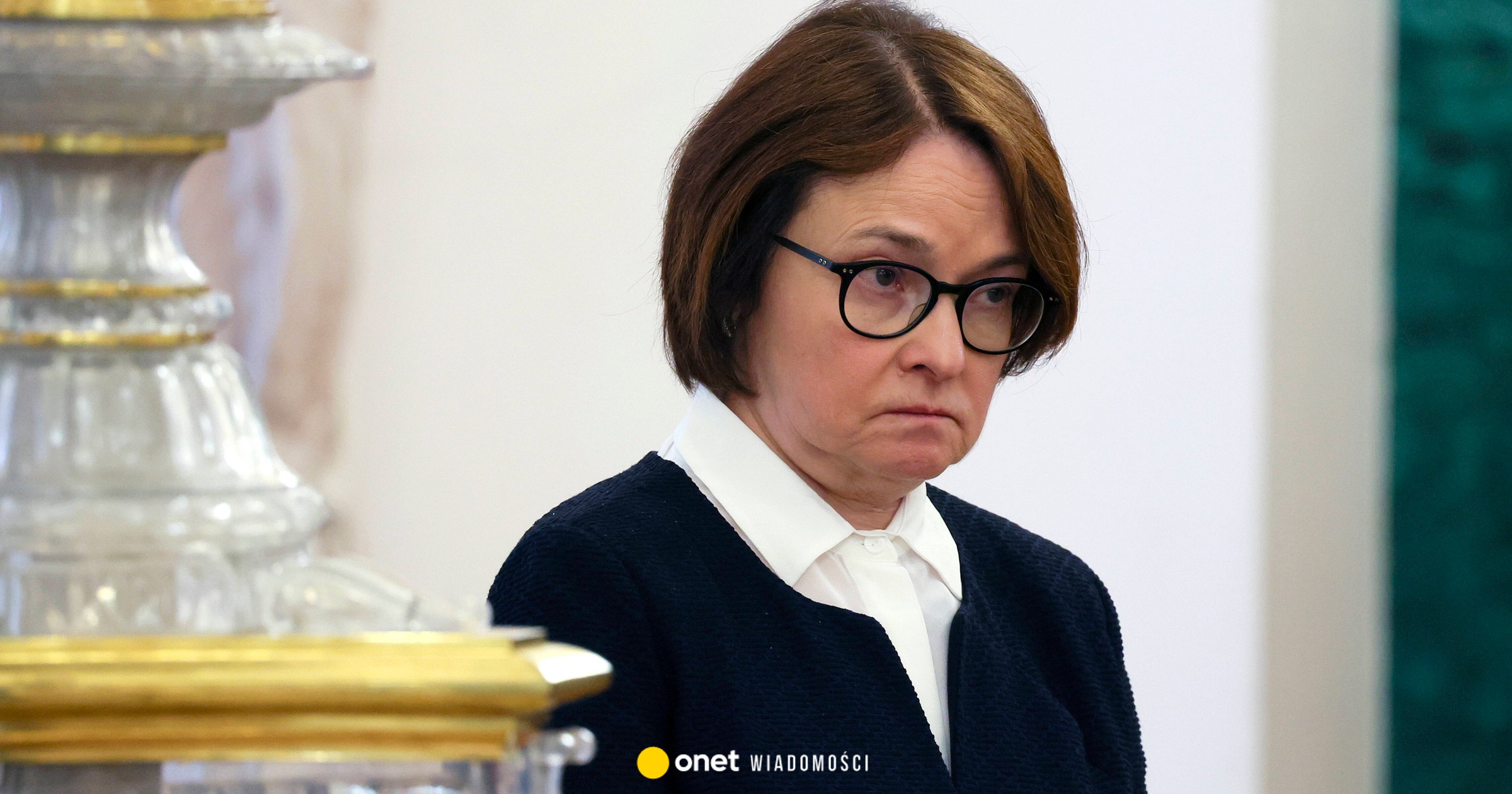
The head of the Bank of Russia, Elvira Nabiullina, has not appeared in public space for over a week. On June 4, she left the St. Petersburg International Economic Forum (SPIEF), on June 9 – the conference of the National Association of Securities Market Participants (NAUFOR), and on June 10 – a meeting with Vladimir Putin, during which the topic of inflation and interest rates, i.e. the main areas of responsibility of the Central Bank, was discussed.
The bank and the Kremlin are explaining themselves
The Central Bank and the Kremlin say Nabiullina is sick. The press office of the Central Bank of Russia reported that its head was absent from SPIEF and NAUFOR because she is on sick leave.
It is not known what Nabiullina suffers from and when she will return to work. The next event with her participation is announced for early July. “Meduza” sent an inquiry to the Central Bank, but did not receive a response until the publication of this article.
The media and experts are intensively discussing the absence of the head of the Central Bank of Russia. When Nabiullina's name disappeared from the list of participants of the Economic Forum in St. Petersburg, there were speculations that she did not want to engage in discussions about the Central Bank's policy or decided to go to the funeral of her advisor Alexei Mozhin, who died on June 3 (but ultimately did not appear at the funeral ceremonies). When the meeting took place at Putin's, the “Agency” noticed that neither Nabiullina nor her deputies were present.
“The Bell” reported that three candidates are being considered for her successor: deputy chairman of the presidential administration Maksym Oreshkin, president of Promsviazbank Pyotr Fradkov and president of VTB Andrei Kostin. It is possible, however, that Nabiullina's term of office will be extended once again through an amendment to the law that will make it possible.
How exactly is Nabiullina's “disappearance” related to her possible resignation?
Economic commentator Vyacheslav Shiryaev stated in “The Breakfast Show”, citing sources, that security had been withdrawn from Nabiullina's house. Shiriaev also suggested that the absence of the head of the Central Bank at the SPIEF forum was “sabotage” resulting from disagreement with the Kremlin's course.
In turn, the source of the Telegram channel “We can explain” stated that Nabiullina allegedly intends to leave the Russian Central Bank. Another interlocutor of the channel informed that she is ready to stay in the position until the end of her term in 2027 and that only on condition that the war does not enter a new phase — with the closure of borders and the introduction of martial law, as some pro-war activists call for. “She informed the leader about this, diplomatically became ill and is waiting for his response,” the source said. “We can explain.”
“According to the latter, this condition results from the fact that in the event of martial law being introduced, resignation at such a level may be considered treason – with the ensuing consequences. Until then, you can still leave without the risk of reprisals. Moreover, one of the state managers previously told the “MO” website that resignation at such a position is already perceived as an extreme sign of disloyalty,” reports the Telegram channel.
The change of the head of the Central Bank of Russia is a big event. Especially when it comes to Nabiullina. The Bank of Russia is responsible for both monetary policy and supervision of financial institutions. “It's more or less as if one authority established traffic rules, imposed fines, decided on the issuance of driving licenses, and at the same time set the price of gasoline. In most developed countries – the USA, Great Britain, the euro zone – these functions are distributed among several institutions. In Russia, everything is concentrated in one institution and, in fact, in one person – Nabiullin,” explained “The Bell”.
Nabiullina's role is so important because, according to the media, she enjoys Putin's full trust. Thanks to this, it manages to maintain the true independence of the Central Bank and fend off attacks from representatives of the real sector who, after the start of the war, accused it of maintaining too high an interest rate that was hampering the economy. Therefore, Nabiullina's departure in any case threatens to cause shocks, explained “The Bell”: if the new head of the Bank of Russia continues Nabiullina's hard course, he will face criticism without the “shield” of Putin's trust; however, if it listens to the “wishes” of the real sector, it may threaten the country's macroeconomic stability.