Some analysts warn that the effects of the conflict on the economy may become visible with a delay of several months – just like after the Yom Kippur War in 1973, when the global oil crisis occurred only after a long time and oil prices quadrupled. Now we are dealing with an almost complete blockade of the Strait of Hormuz and a disruption of the oil market.
As Saad Rahim, chief economist at Trafigura – one of the world's largest commodity trading companies – emphasizes, the relatively calm reaction of commodity prices to the conflict in the Middle East may be misleading. In his opinion, the market is only approaching the moment when the effects of disruptions will become more noticeable.
See also: Prolonged conflict in the Middle East. Expert: the effects will be felt by the whole world
Experts: traffic in the Strait of Hormuz may return by 60-70%.
Saad Rahim said the world had largely exhausted its fuel reserves and was now “at a turning point.” In his view, the effects of the war have so far been mitigated by the fact that global stockpiles of raw materials were high at the beginning of the year, and price increases were also limited by the coordinated release of strategic oil reserves. Moreover, the direct effects of supply disruptions were initially less felt because some oil and fuels were already on their way to customers on tankers when the war broke out.
Although oil prices have risen since the beginning of the conflict, this is a smaller increase than would be expected given such a large decline in oil supplies. At the same time, global stocks are shrinking rapidly and, according to Trafigura's analyst, current commodity prices do not reflect the full scale of the effects of the conflict.
See also: Traffic through the Strait of Hormuz will drop dramatically. This will affect the price of oil
Experts point out that even the end of the war with Iran does not mean a quick return to the pre-conflict situation. It will take months to rebuild production and restore regular supplies, and tanker traffic through Hormuz may remain lower than before the war for a long time. Former White House energy adviser Amos Hochstein assessed at the end of May that the countries of the region would recognize Iran as the actual host of Hormuz and that this situation would persist for a long time.
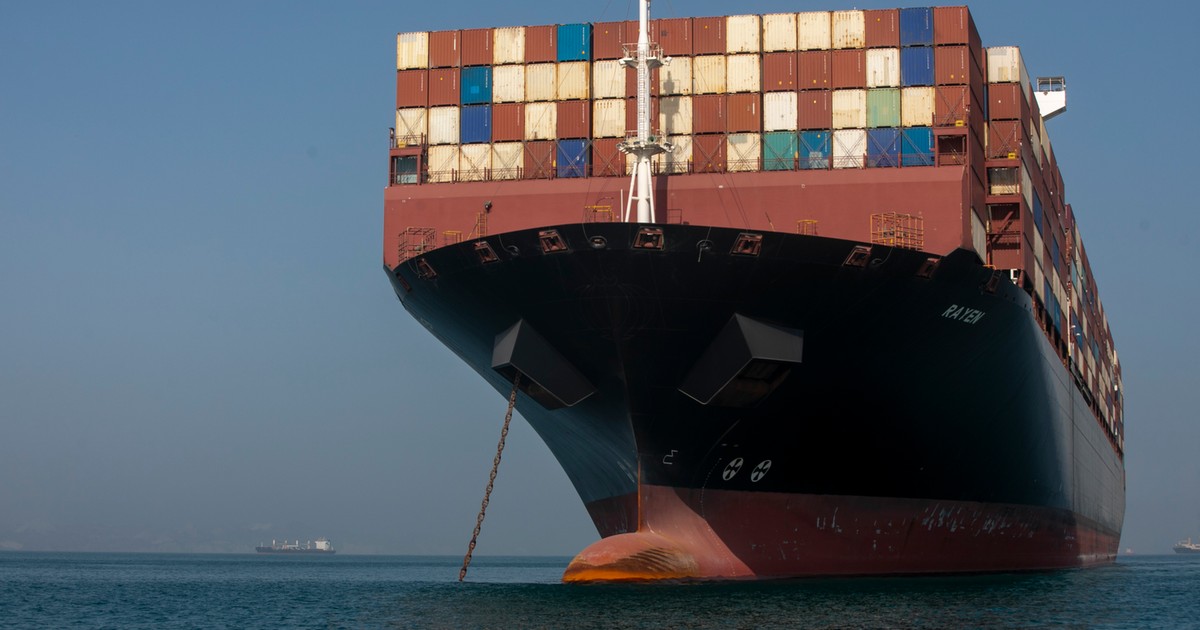
As estimated by the editor-in-chief of the Lloyd's List shipping industry website, Richard Meade, traffic through the strait may return to 60-70 percent at most. previous level. In his opinion, ships related to China will pass without major obstacles, while Western shipowners may need additional agreements with Iran.
If today the price of Brent oil increased as much as after the Yom Kippur war, i.e. by 277%. within six months, at the end of 2026, a barrel would cost about $275. “It seems almost unimaginable today,” notes Bloomberg analyst John Authers, “just as the price increase from $3 to $12 seemed unimaginable in 1973.” per barrel.
— The most serious economic consequences of major geopolitical crises usually appear with a delay. They are noticed even later by financial markets, whose reactions depend largely on investor sentiment, Authers warned at the end of March.