Why Zelensky's letter to Putin is intended for other ears. “Well, Ukraine is proving it now”

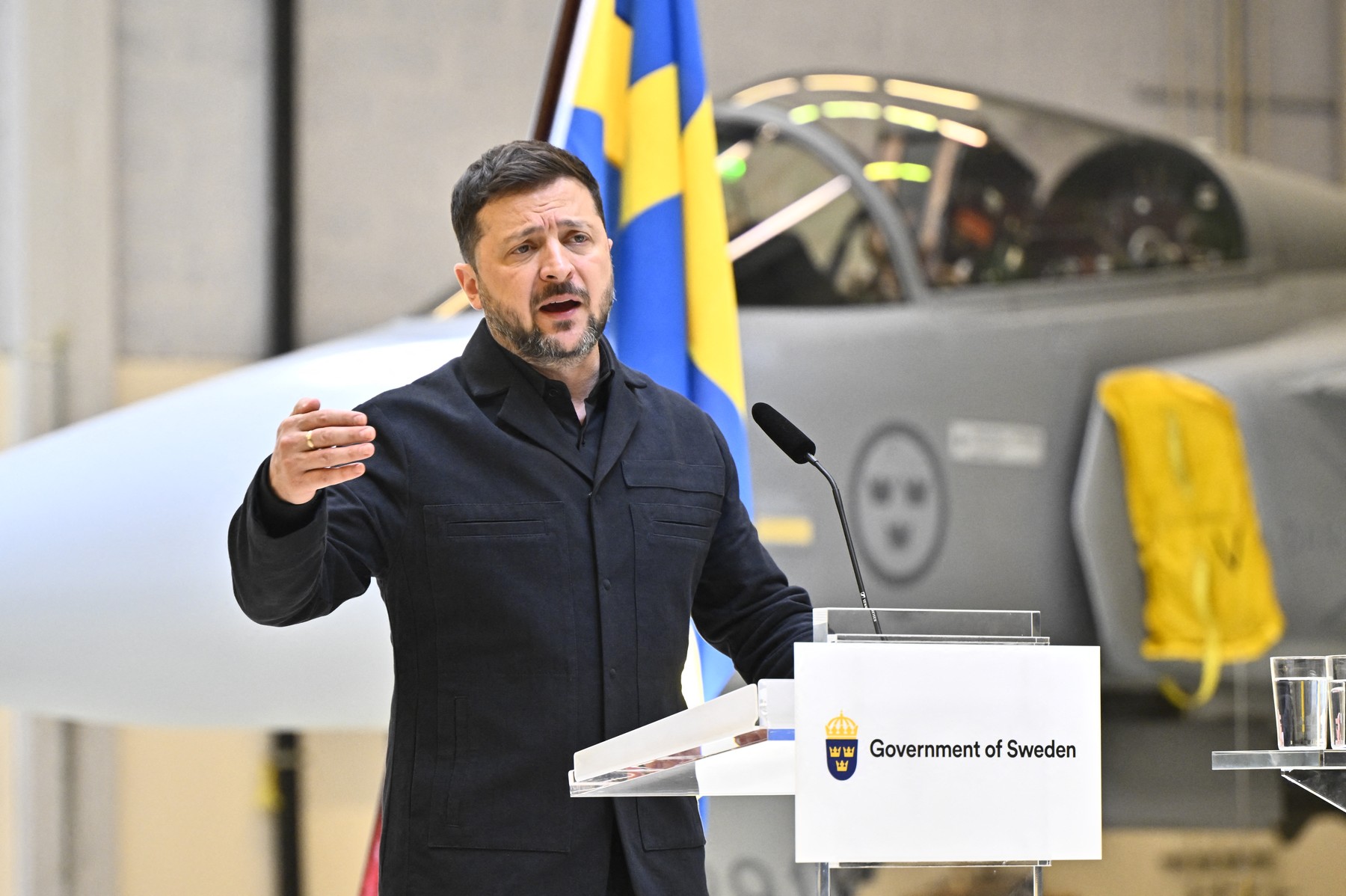
President Volodymyr Zelensky's open letter proposing face-to-face peace talks to end the war in Ukraine was addressed to Russian President Vladimir Putin, but it was more likely to reverberate through the corridors of this week's St. Petersburg investment forum and beyond, Reuters wrote in an analysis on Friday.
Zelenskiy published the letter on Thursday evening as Putin held a briefing for foreign journalists at Russia's top business event – the St Petersburg Economic Forum. A day earlier, Ukrainian drones had struck an oil terminal in St. Petersburg, sending clouds of smoke rising into the sky near the venue.
Kiev believes that certain segments of the Russian elite — “officials, businessmen and Russia's partners” — want to see an end to the military conflict that has left the country's $3 trillion economy stagnant, according to a Ukrainian official familiar with the contents of the letter.
The lavish meeting highlighted Russia's rival visions of the four-year-old war.
While some participants argued that Russia should continue fighting and prepare for a long-term confrontation with the West, others emphasized the economic advantages of ending the war, an end that seemed ever closer with pressure from the US administration.
What Ukraine is trying to convey
For months, Zelenskiy has repeated his call for a truce and his offer to meet Putin, only for the Kremlin leader to reject them, as Putin did again on Friday.
The Ukrainian official, who spoke on condition of anonymity, insisted that Zelenskiy was determined to restart peace talks.
But Dmytro Iarovyi, an associate professor at the Kyiv School of Economics who specializes in political psychology, says the drone strike and the “attitude” letter represented a concerted attempt to shape the narrative of the economic conference.
He says the letter is intended to convey to Russian society and Western governments — especially US President Donald Trump — that recent territorial gains and painful long-range attacks on Russia have put Kiev in a much stronger position in any negotiations.
“Trump always says that 'Ukraine has no asset,'” said Kurt Volker, former US ambassador to NATO and special envoy for Ukraine during the first Trump administration. “Well, Ukraine is now proving that it is in a stronger position,” added the former ambassador.
Months of Washington-backed peace talks have led to a stalemate, with both sides sticking to their positions.
Putin told foreign policy editors that talks with Trump in Anchorage, Alaska, last August had already outlined the conditions needed to end the conflict — an apparent reference to his demand that Ukraine cede the rest of Donbas, the country's industrial heartland and military stronghold in the east.
But Zelenskiy now seems less willing than ever to bow to US pressure for Ukraine to give up territory. In his letter, the Ukrainian leader stated that he welcomes the involvement of the US, but that Ukraine's problems “will not be decided in Anchorage”, but by Ukraine and Russia, which, according to Kiev's vision, can no longer hope to take control of the entire territory of Donbas.