The end of free riding? The EU wants to break free from the grasp of American giants

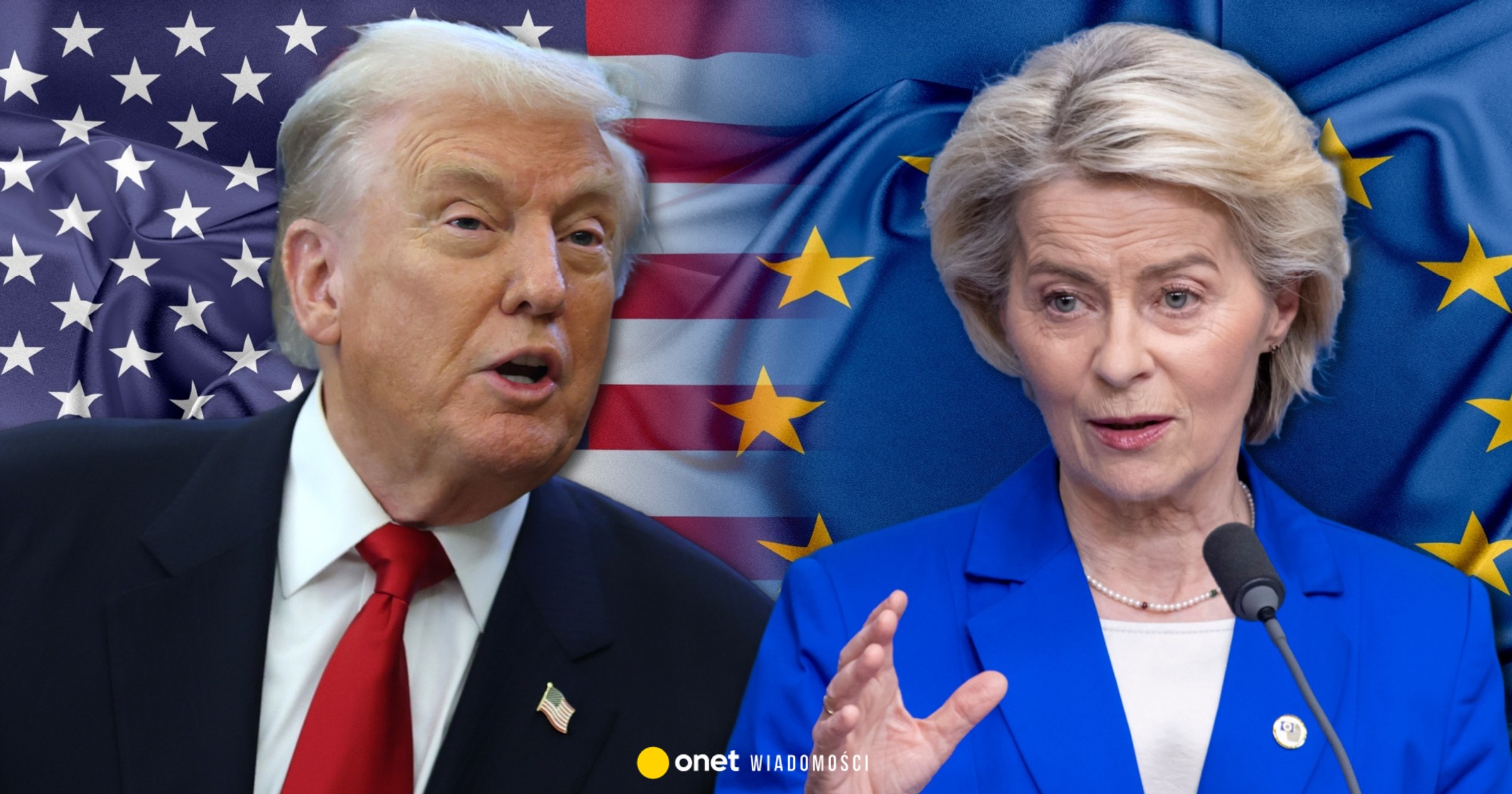
The European Commission on Wednesday presented a plan to reduce Europe's dependence on foreign technology suppliers, which form the foundation of the modern economy.
Officially, this is not a plan aimed at the US. Unofficially, it is hard to miss the fact that Donald Trump and the power of Big Tech have done more for European “technological sovereignty” than years of EU debates.
The technological sovereignty package – which was created in no small part in response to US President Donald Trump's use of European dependence on American companies as a tool of pressure – assumes a much longer horizon. Its goal is to strengthen European enterprises to such an extent that in the future they will be able to effectively compete with the largest companies from the United States.
We cannot afford to become dependent on others for the technologies that keep our hospitals running, the stability of our energy networks and the security of public services. It's about protecting our citizens, defending our interests and preserving the right to make our own decisions
– said the President of the European Commission, Ursula von der Leyen, in a published statement.
Press release / European Commission
A fragment of the European Commission's communication announcing a new strategy for strengthening the digital independence of the European Union
The central element of the package is the EU Cloud and AI Development Act. It includes a provision enabling the European Commission to assess countries to see whether they are sufficiently reliable to provide services to Europe's most sensitive public sectors.
However, the main emphasis of the proposed regulations is on activities aimed at helping European companies develop to a scale that will allow them to actually compete with the largest American technology companies.
If the package is adopted, public funds will be directed primarily to products and services that strengthen the European economy and reduce dependence on foreign companies.
Daniel Ceng / ANADOLU / Anadolu via AFP / AFP
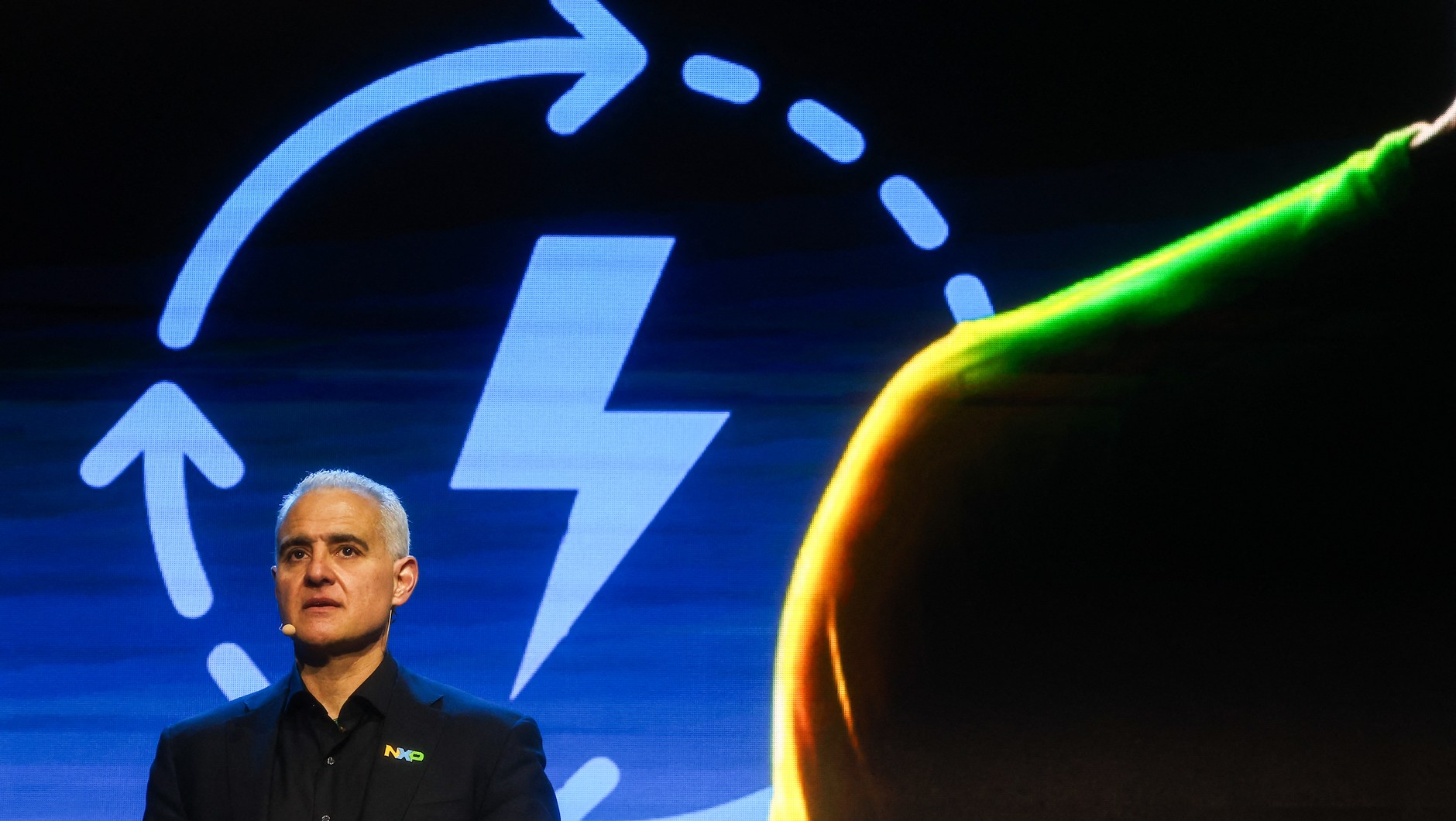
Rafael Sotomayor, CEO of NXP, the third largest semiconductor manufacturer in Europe, June 3, 2026.
The package is also expected to stimulate demand for advanced semiconductors across the European Union. This is a response to criticism from the technology industry and is to be implemented through a series of industrial initiatives leading to the 2023 amendment to the EU Chip Act.
The end of technological dependence?
The European Commission's proposals will now go to the governments of the Member States and the European Parliament, where negotiations will begin on their final shape. They are a response to growing concerns that dependence on American technologies is Europe's strategic weakness.
The Commission itself indicates that European Union countries spend EUR 264 billion (approx. PLN 1 trillion 130 million) each year on technologies from the United States. The cloud services market, which is the basis for e-mail, storage and processing of public and private data, as well as many tools used by public administration, is dominated by three American companies: Microsoft, Google and Amazon.
pressureUA/Getty Images
Leading companies in the computer industry (illustrative photo)
However, some member state governments warn that making Europe completely independent of American technologies would be both unrealistic and undesirable.
As the European Parliament finalizes a controversial trade agreement with the United States, the European Commission is trying to emphasize that the new regulations do not directly target American companies.
The United States can continue to maintain broad access to the European market. This is supported by the current agreement between the European Union and the US on the protection of personal data, as well as recent actions by the largest American companies to secure their services against foreign interference.
Brussels will check every supplier
Still, the question of whether the US tech sector should continue to serve the most sensitive areas of the European economy remains a highly politicized topic. The final answer will depend both on the final shape of the new regulations and on how they are implemented in practice.
As part of the proposal to create a list of “trusted countries”, the European Commission wants to oblige national governments to carry out the so-called sovereign risk assessment for each digital service used. The analysis would take into account the degree of foreign control over a given service, the possibility of access to sensitive data and the risk of disruption of its operation.
Within a year, member states would have to determine the appropriate level of protection for each public sector and purchase digital services on that basis – unless they could demonstrate that doing so would involve “disproportionately high costs”. At the same time, the European Commission reserves the right to question such assessments in future regulations if it considers that a given country has underestimated the level of risk.
The Commission estimates that only approximately 1 percent public services in Europe are so sensitive that, according to the proposed certification system, it would have to benefit from the highest level of protection, completely excluding the use of foreign technologies.