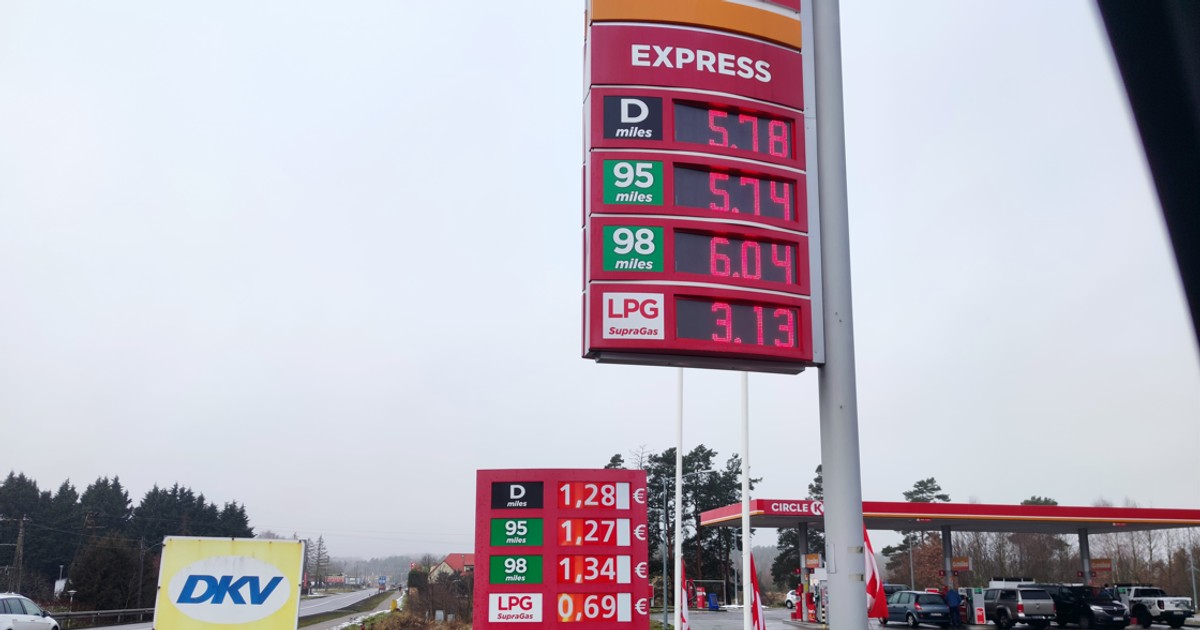
The effects of the conflict in the Middle East are felt not only in the war-torn region, but also in countries importing energy resources. The interruption of oil and gas supplies resulted in an increase in fuel prices, which hit the transport sector in Poland particularly hard.
Read also: Time pressure in Washington and Tehran. Both sides are playing for high stakes
Diesel refuelers are the most affected
According to the analysis of the Instrat Foundation, the total cost of the crisis for Polish drivers and companies amounted to at least PLN 10 billion. Companies using diesel cars turned out to be the most affected – the price of diesel oil increased by an average of PLN 1.77. For comparison, the price of petrol used mainly by private drivers increased by approximately 40 cents.
The government decided to mitigate the effects of price increases by reducing VAT and excise duty and introducing maximum fuel prices under the so-called CPN package. However, as Instrat points out, these solutions helped companies to a limited extent. Enterprises that are VAT payers did not experience any real relief because the tax cut is neutral for them, which means that cost and inflation pressures will remain.
Almost PLN 2 billion in expenses
The authors of the analysis emphasize that although the state absorbed part of the costs of the crisis, it did not use this situation to strengthen the economy's resistance to future shocks. From the outbreak of the war to mid-May 2026, the state budget lost nearly PLN 2 billion, and these funds were not allocated to investments reducing dependence on imported fuels.
The think-tank recommends that the planned revenues from the tax on extraordinary profits of the fuel sector – estimated at approximately PLN 6 billion – should be allocated to the development of transport based on domestic energy. The proposed actions include: social leasing of electric cars with a monthly fee of up to PLN 450, VAT reduction to 8%. for charging vehicles and expanding the charging infrastructure as part of the so-called e-CPN package.
Will electrification increase independence?
Another proposal is to introduce a single local and regional ticket for public transport at a preferential price, similar to the solutions operating in Germany. According to the authors of the analysis, such investments could limit the effects of future raw material crises and reduce billions of losses for the economy.
As Instrat emphasizes, the electrification of transport can not only stabilize travel costs, but also increase the country's energy independence and ensure that a larger part of expenditure remains in the Polish economy.