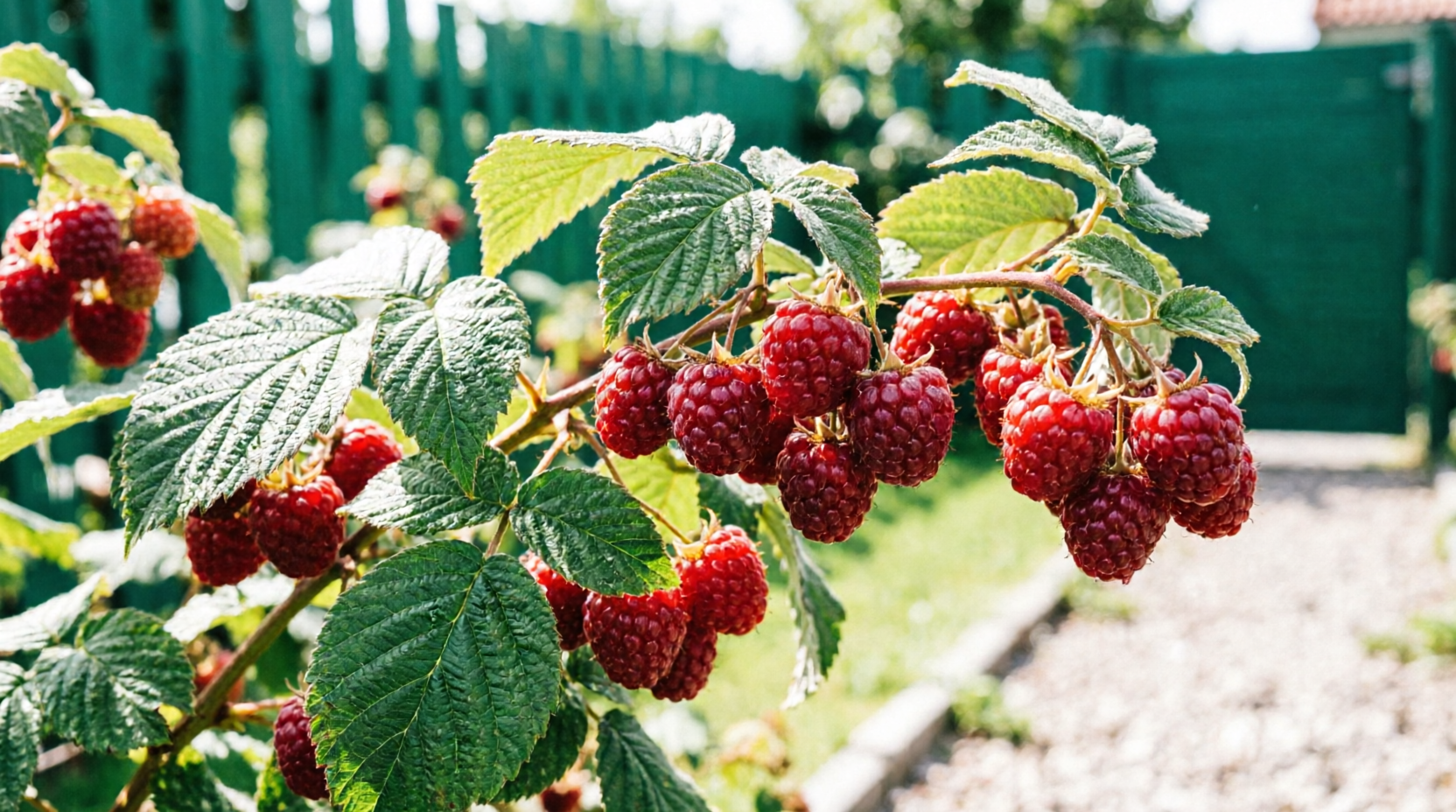
You need to feed raspberries not according to the calendar, but according to their needs – an expert from the Zen channel “Garden Cribs” reminded summer residents of this. If you ignore them, your shrub will only disappoint you year after year.
Yellow leaves with green veins
If the leaves are light, yellowish-green with dark, distinct veins, then the raspberries are lacking potassium. This macronutrient is responsible for strong ovaries and large berries. If there is a shortage of it, raspberries will “delight” you with small, fresh berries. Moreover, the ovaries can simply crumble unnoticeably.
The expert recommends the following feeding: dissolve 20 g of potassium sulfate in 10 liters of water and pour the raspberries over moist soil under the root. One bush usually requires 1.5 liters of solution.
There are many buds, but almost no ovaries
This symptom indicates a lack of boron – the viability of pollen and the retention of ovaries depends on it. Without boron, the flowers will practically not be pollinated, and the raspberries will begin to shed them.
Recipe: dissolve 2 g of boron in 10 liters of warm (!) water and spray it on raspberries on the leaves and flowers in the morning or evening. You can repeat the treatment after 10 days.
Small sparse leaves and thinned shoots
Frail shrubs and sluggish flowering are a symptom of nitrogen deficiency. If you have poor soil or you were “greedy” with this macronutrient in the spring, you will have to add it in the summer.
The expert suggests this infusion: mix 1 part chicken manure in 10 parts water and leave to infuse for 10 days. Then dilute the infusion in a ratio of 1:10. Feed the bush with 1 liter of it in moist soil. Under no circumstances overfeed raspberries with nitrogen, otherwise they will throw all their energy into the greens and there will be nothing left for the berries.
So, if the raspberry harvest does not please you, carefully examine its leaves and shoots – the plant itself will tell you what it needs.