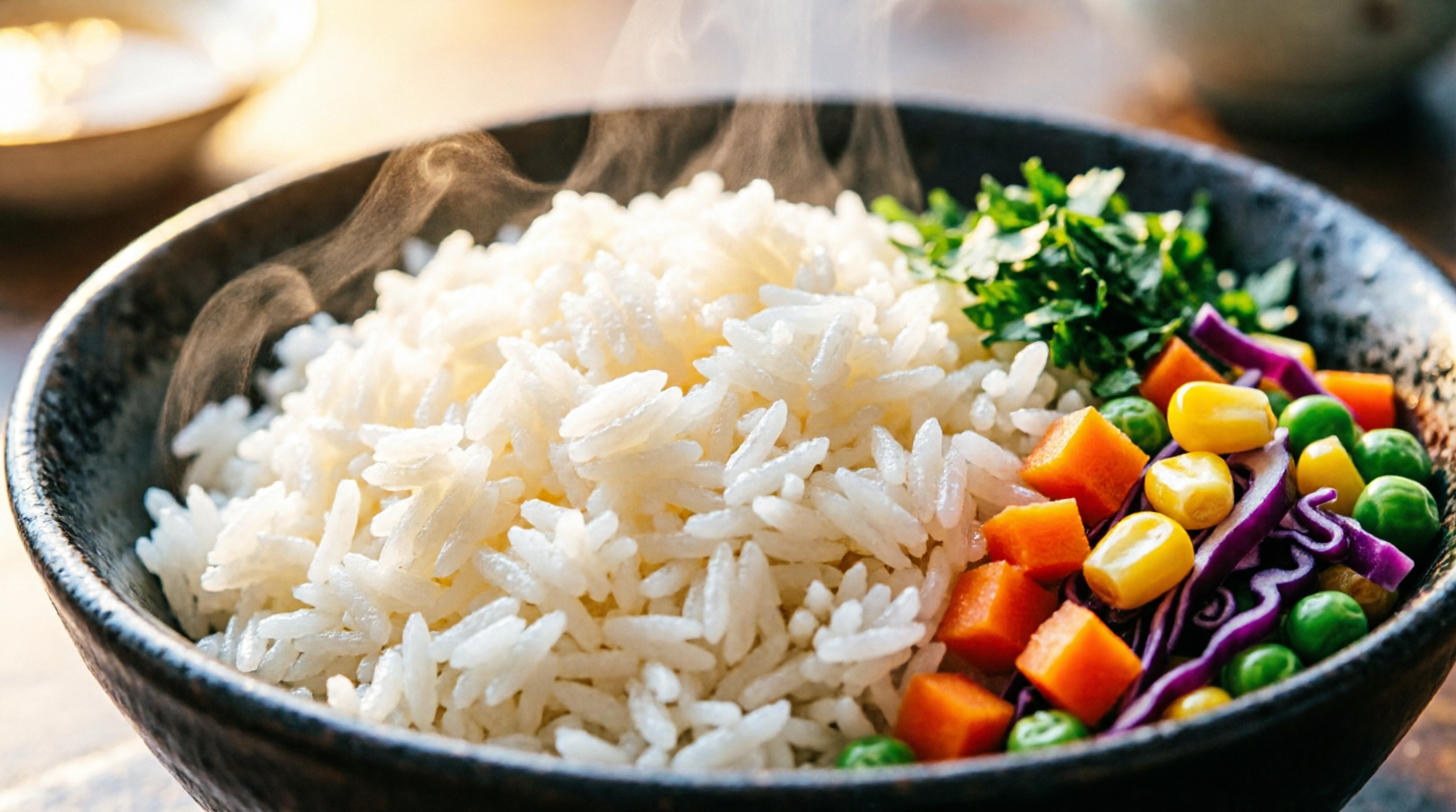
Cooking fluffy and tasty rice is a rather difficult task, which often causes difficulties. One of the most common mistakes novice cooks make is choosing the moment to add salt.
When you can’t add salt: the main mistake
Many housewives add salt in the middle of cooking or just before turning off the stove. This should not be done, says Elena Tarasova, author of the blog “Culinary College” (18+).
The fact is that rice absorbs water gradually. If you add salt too late, the cereal simply will not have time to absorb the required amount of salt water. As a result, the water will boil away, and the grains themselves will remain fresh and tasteless.
When to add salt
You need to salt the rice at the very beginning of cooking. It is optimal to add salt before adding the cereal to the water or in the first seconds after that. This approach allows the salt to be evenly distributed and penetrate inside each grain during the cooking process.
As a result, the dish turns out to be moderately salty, aromatic and full of flavor. This rule is universal: it works both for a regular side dish and for pilaf.
Alternative approach: the method of Japanese cooks
In Japanese cuisine, rice is often cooked without adding salt, and this does not make it bland – just a different approach to serving. To add flavor to the finished dish, additional products are used:
- soy sauce instead of salt;
- roasted vegetables for juiciness and flavor;
- fresh herbs for brighter taste.
It is thanks to these additives, introduced after cooking, that rice does not seem tasteless, even if it was cooked without salt. This method shows that the right combination of ingredients is more important than strict cooking rules.