The president's willingness to reach an agreement — “any agreement” — with Chinese leader Xi Jinping threatens to undo decades of delicately pursued diplomacy on Taiwan, Sen. Elissa Slotkin, a Michigan Democrat and former Pentagon official, warned at the POLITICO Security Summit.
In her opinion, China is “in an excellent position, waiting to see what Trump puts on the table.” “One of the things that I've been focused on, and frankly a lot of us have been focused on across party lines, is not to be so desperate for an agreement that you'll give everything,” she added.
Senator Elissa Slotkin in Washington, April 30, 2026.Anna Moneymaker / GETTY IMAGES NORTH AMERICA / Getty Images via AFP / AFP
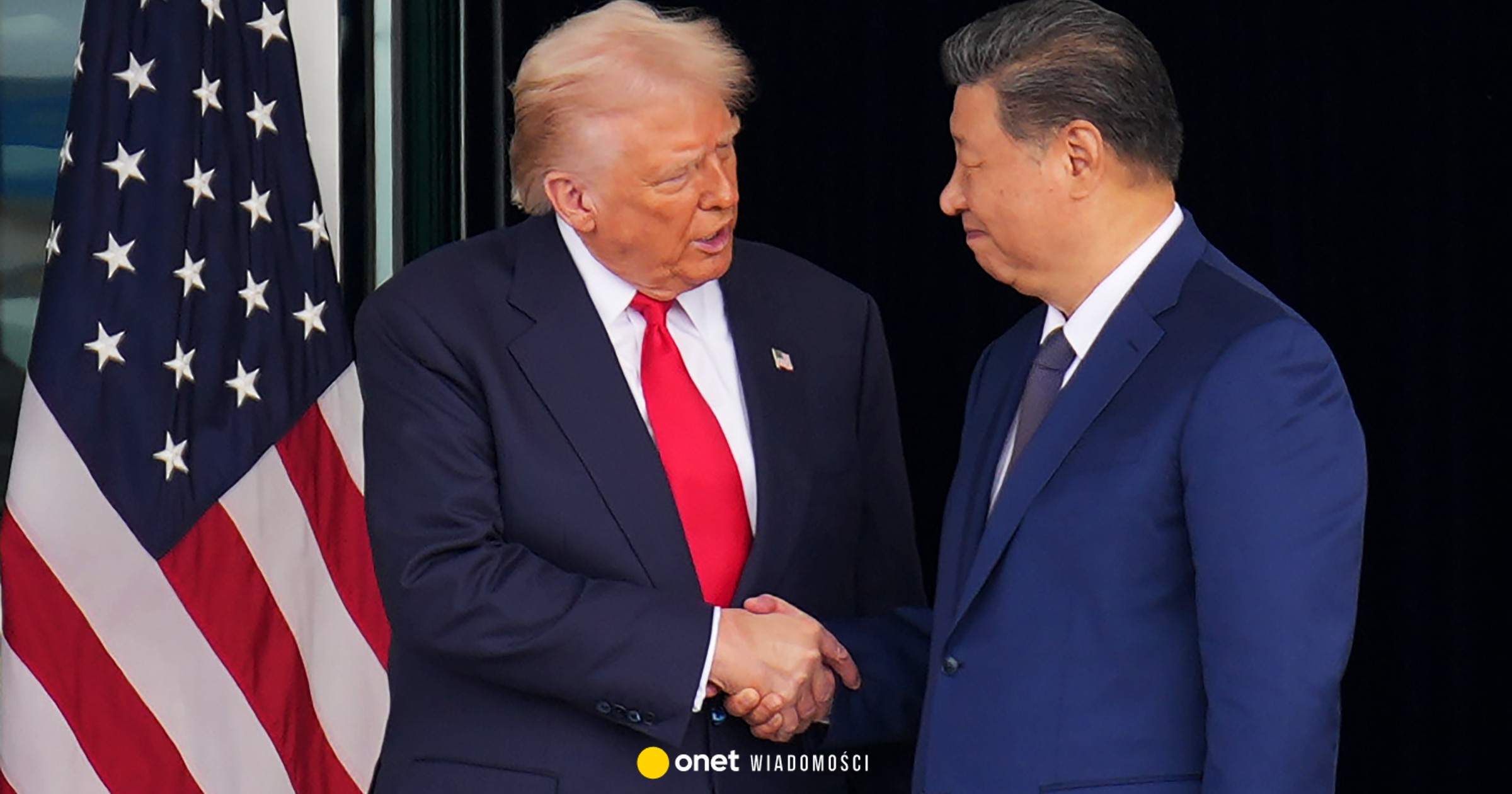
Trump called the first summit with Xi in his second term as “potentially historic”. But U.S. allies fear he may, perhaps inadvertently, withdraw U.S. support for Taiwan, which China considers a rebellious province.
The United States has been trying to maintain a delicate balance over Taiwan for decades. They officially recognize the self-governing island as separate from the People's Republic of China, while avoiding showing support for its independence, which Beijing warns could lead to war.
But even a subtle change in current U.S. language — for example, from “we do not support Taiwan independence” to “we oppose Taiwan independence” — could signal a shift in Washington policy.
Trump may fall into a trap
The Trump administration has made it clear in strategic documents that no longer sees China as a major security threat. But it also imposed punitive tariffs on the country, which briefly sparked a trade war before Washington and Beijing agreed to ease tensions.
Slotkin warned that Trump, who has wavered between threatening tariffs and praising the Chinese leader, can easily fall into the trap.
“I can't read these people's sentiments about China,” she said. “They gave away some of our most advanced chips, they introduced and eliminated tariffs like a yo-yo, and yet the Chinese are buying less soy than when we started a year and a half ago,” she concluded.