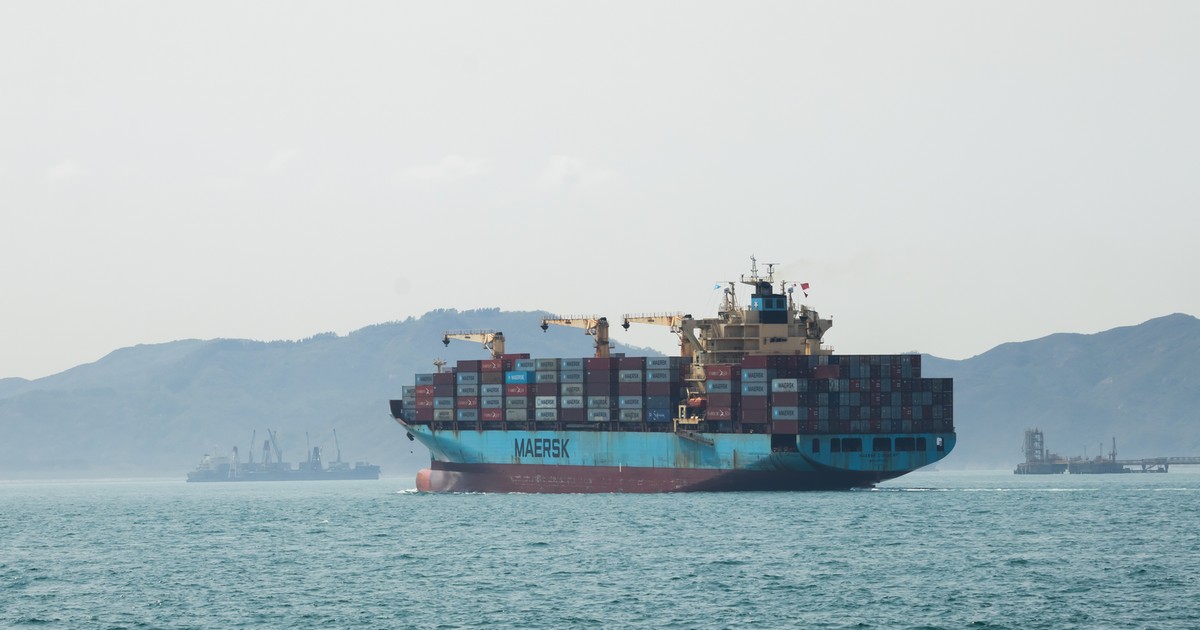
As the company added, this was possible thanks to the direct assistance of the American armed forces.
Read also: Marcin Kubiczek with suspended license. He issued a statement
“The Alliance Fairfax, transporting U.S.-flagged vehicles, passed through the Strait of Hormuz and left the Persian Gulf on May 4“, the company announced in an official statement.
This ship was one of many vessels that became trapped after February 28, when, in response to attacks by the United States and Israel, Tehran decided to block the sea route through which approx. 20 percent world oil and gas LNG.
Signal to markets: prices down, but optimism is fragile
Information about that The US Navy is able to effectively “unseat” the Iranian blockade, immediately affecting the stock markets. Oil prices, which had been rising rapidly in recent days, began to fall on Tuesday. Investors interpreted the safe crossing of Alliance Fairfax as an announcement of the gradual restoration of patency of the route.
However, the “Gulf News” daily cools down this enthusiasm, noting that the current price decline reflects psychological market expectations rather than actual stabilization in the region. Even short-term paralysis of such a key artery generates costs that will be felt for months.
Read also: Budget negotiations in the EU are gaining momentum. Poland defends its interests [WYWIAD]
The global trading system is in shock
Financial experts point out that the mere departure of ships does not mean the end of economic problems. Nigel Green, CEO of deVere Group, warns against a false sense of return to normality.
“Markets are reacting to the mere prospect of ships starting to move again, but the system will not reset immediately. You have to take into account the real shock associated with delays” – said Green in an interview with “Gulf News”.
According to him, even if traffic in the Strait of Hormuz is fully restored, global logistics will return to a completely new reality. Broken supply chains, huge delays at destination ports and changed routes mean that the “system is changed” in a permanent way. The pressure on the prices of final products may therefore persist much longer than the current oil price charts on the stock exchanges would suggest.