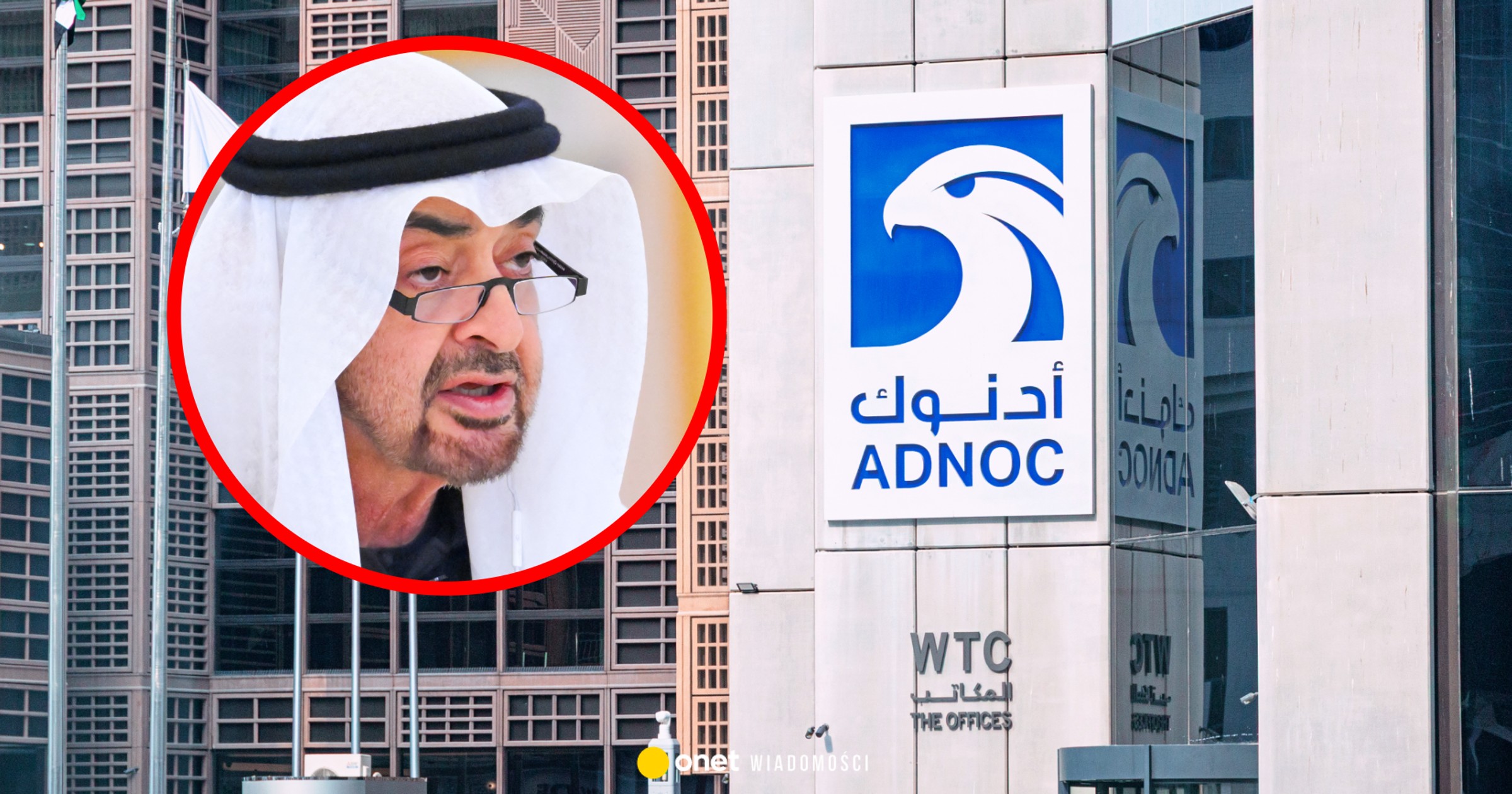
The decision of the United Arab Emirates authorities to break off relations with OPEC and OPEC+ cannot be called a sensation. Such a step had been brewing for a long time and was actually only a matter of time.
The union of seven emirates of the Arabian Peninsula has long felt the burden of restrictions on its oil production imposed by obligations to the cartel. The issue of granting higher production limits to the Emirates was repeatedly raised during OPEC meetings, and there were also threats to leave the organization.
For some time, tensions were eased, but the situation on the oil market – as well as military and political events in the Persian Gulf region – clearly accelerated the split.
- We publish the text courtesy of “The Moscow Times”.
It has been written many times that there are growing grounds for change within OPEC+. In practice, the mechanisms of limiting and quoting production ceased to have a real impact on oil prices. Overproduction in the world resulted in a constant excess of supply over demand, and voluntary restrictions introduced by a group of oil-exporting countries did not bring the expected results.
In other words, it didn't make much sense, especially since some participants, like Russia, did not actually contribute to these restrictions by extracting as much oil as they considered possible or profitable. In turn, another significant OPEC member, Venezuela, has recently come under the clear influence of the United States in matters related to oil production.
So the idea of reorganizing the cartel emerged.
Saudi ambitions, Emirati opposition
If this idea were implemented, OPEC's strategy would be determined only by those countries that have a stable and quickly deployable potential to increase production – and not by the entire group of members. Saudi Arabia clearly aspired to the leadership role in this arrangement.
Muhammad ibn Salman, Crown Prince of Saudi Arabia, and Muhammad ibn Zayed, President of the United Arab Emirates. Abu Dhabi, December 2, 2024UAE Presidential Court /HANDOUT HANDOUT / Getty Images
However, the Emirates do not intend to recognize the dominant role of the Saudis in OPEC. The conflict between these countries becomes more severe from time to time – for example in Yemen, where the United Arab Emirates and Saudi Arabia support opposing groups.
The arrival of the Saudi military contingent from Pakistan did not help to alleviate these tensions, but on the contrary, it accentuated them.
The situation was further inflamed by Iran, one of the OPEC members, which started firing missiles and drones at the oil infrastructure of its cartel partners and obstructing the exit of tankers from the Persian Gulf. For the Emirates, this was the straw that broke the camel's back.
Unlike most Arab countries in the region, the United Arab Emirates is developing cooperation with Israel. Together with Bahrain and Morocco, they signed the so-called Abraham Accords. Moreover, Israel is supporting the Emirates in repelling Iranian air attacks – for the first time in its history, deploying technologically advanced air defense systems outside its own territory.
It can be expected that the discrepancies between the policy of the Emirates and the course of their neighbors from the Arabian Peninsula will lead to a further, profound revision of their position in the international arena.
Leaving regional arrangements?
The pragmatic ruling elites in the United Arab Emirates cannot ignore the helplessness of international organizations in the face of armed conflicts and political disputes in the region.
If the course towards greater independence continues, the Emirates may leave:
- the Gulf Cooperation Council (which also includes Bahrain, Qatar, Kuwait, Oman and Saudi Arabia),
- and then even the Arab League.
These organizations have long demonstrated little effectiveness in solving real problems.
The next step could be to leave the Organization of Islamic Cooperation (associating 57 countries), formerly known as the Organization of the Islamic Conference, where, apart from declarations and debates, it is difficult to see real mechanisms of cooperation or support for member countries.
This would be a serious shock for the Islamic world.
Towards Western values
Meanwhile, signals of a change in the approach of the Emirati authorities to the role of Islam in the modern world are already visible.
In January, the United Arab Emirates banned its citizens from studying at British universities, depriving them of scholarships. Reason? Young people returned from universities such as Cambridge and Oxford under the influence of radical Islamist propaganda, sometimes even associated with groups such as the international Islamist movement, the Muslim Brotherhood.
The Emirates clearly want nothing to do with terrorism. Of course, this does not mean giving up on the external manifestations, customs or traditions of the Muslim community. However, the ideology of violence against non-Muslims is not becoming the dominant political trend there.
It seems that a decision has been made to adopt the basic civilizational values of the Western world – and at the same time change the circle of allies.