Iran's plans to impose taxes on cargo ships using the Strait of Hormuz, the world's second-busiest sea route, have raised concerns that it could be replicated in other regions of the world.
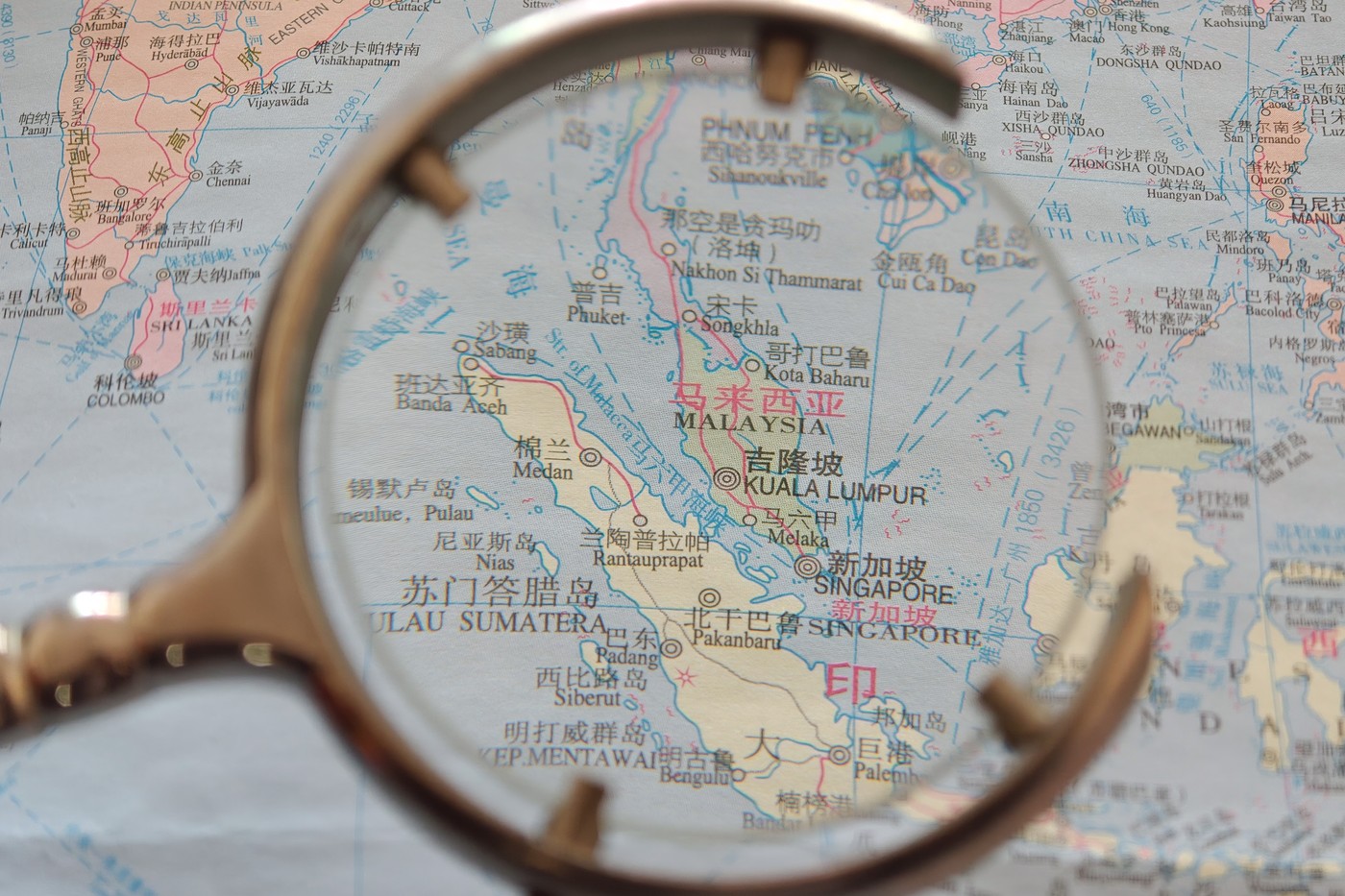
Indonesia's finance minister launched at the end of last week the idea of taxing cargo ships using the Malacca Strait, one of the most important straits in the global economy, Naftemporiki writes.
“Ships pass through the Straits of Malacca without any tax. I'm not sure if it's right or wrong,” Indonesia's Finance Minister Purbaya Yudhi Sadewa said at a symposium in Jakarta.
The Strait of Malacca is considered a more important waterway than the Strait of Hormuz, carrying over a fifth of the world's maritime trade. To the west, Asia's commodity exports to Britain and Europe pass through this point, while to the east, three-quarters of China's crude oil imports pass through.
It borders Indonesia, Thailand, Malaysia and Singapore and is 900 kilometers long, but at its narrowest point the strait is only 2.7 kilometers wide, which could make a toll system feasible.
Cichen Shen, a shipping expert at Lloyd's List in Singapore, said the Indonesian finance minister's comments were “worrying”.
“There is concern that we are on the cusp of a shift in the potential of maritime transport to become a geopolitical lever and a security asset, and the fundamental principle of freedom of navigation may be undermined,” he said, adding that there were reports of “serious high-level discussions” within the leadership of Iran-backed Houthi rebels in Yemen about raiding ships passing through the Bab el-Medab strait at the end of south of the Red Sea.
Imposing taxes on ships using international waters violates the United Nations Convention on the Law of the Sea.
However, Mario Nafval, a technology entrepreneur and political analyst, believes that the move to impose taxes is risky.
“Iran has shown that a single country, with missiles and small craft, can hold global shipping hostage,” he argued.
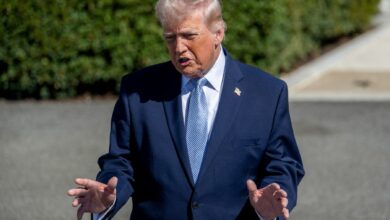
Meanwhile, US President Donald Trump also claimed that the US could impose taxes on ships that want to use the Strait of Hormuz.
For his part, Ben Blunt of think tank Chatham House said: “The US rejection of international norms is likely to cause more governments to consider how they can reshape or modify existing norms and principles to their advantage.”
“We are entering a one-sided, transactional and chaotic era,” he estimated.