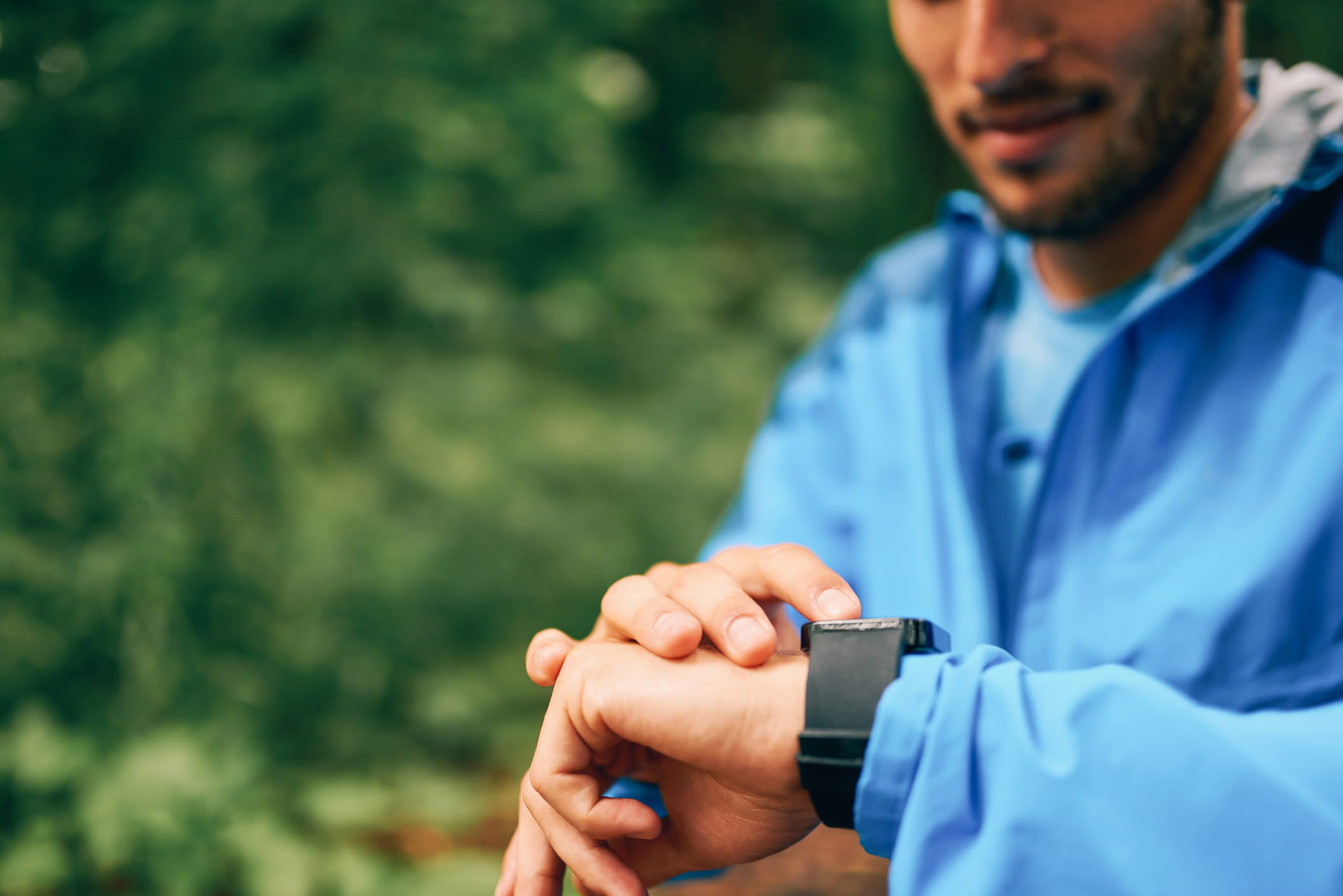
You check your smartwatch after a run. Your fitness score has decreased. You burned very few calories. The recovery score is very low. It tells you to take a break from exercise for the next 72 hours. The weirdest part? You felt great. So, why does your watch tell you the exact opposite?, writes The Conversation magazine.
Basically, because smartwatches and other fitness trackers aren't always accurate.
The use of wearable fitness technology, such as smartwatches, has been one of the main trends in fitness for nearly a decade. Millions of people around the world use them every day.
These devices are shaping the way people think about health and exercise. For example, it provides data on how many calories you've burned, how fit you are, how well you've recovered from exercise, and whether you're ready to exercise again.
But the smart watch does not directly measure most of these indicators. Instead, many of the common values are estimates. In other words, they are not as accurate as you might think.
How smartwatches are misleading us
Calories burned
Calorie monitoring is one of the most popular features of smartwatches. However, their accuracy leaves a lot to be desired.
Wearable devices can underestimate or overestimate energy consumption (often expressed as the number of calories burned) by more than 20%. These errors also vary depending on the type of activity. For example, strength training, cycling, and high-intensity interval training can lead to even greater errors.
This is important because people often use these values to decide their diet.
For example, if the smartwatch overestimates calories burned, their users may think they need to eat more than necessary, which could lead to weight gain.
Conversely, if they underestimate calories burned, they may end up eating too little, negatively affecting their exercise performance.
The number of steps
Step counts are a good way to measure overall physical activity, but wearables don't record them perfectly.
Smart watches can underestimate the number of steps by about 10% under normal exercise conditions. Activities such as pushing a stroller, carrying weights, or walking with limited arm movements can reduce accuracy because smartwatches rely on arm movement to record steps.
For most people, this isn't a major problem, and the step count remains useful for tracking your overall activity level. However, it should be viewed as an approximate guide, not a precise measure.
Heart rate
Smart watches estimate heart rate using sensors that measure changes in blood flow through the veins in the wrist.
This method is accurate at rest or at low intensities, but becomes less accurate as exercise intensity increases.
Arm movement, perspiration, skin color, and how tightly you wear the watch can also affect your heart rate measurement. This means that accuracy may vary from person to person.
This can be problematic for those who use heart rate cues to guide their workouts, as small errors can lead to workouts at an inappropriate intensity.
Sleep monitoring
Almost every smartwatch on the market offers a “sleep score” and divides the night into light, deep and REM sleep stages.
The standard of reference for measuring sleep is polysomnography. It is a laboratory test that records brain activity. But smartwatches estimate sleep using movement and heart rate.
This means that they can detect quite well when the wearers are asleep or awake. But they are much less accurate in identifying the stages of sleep.
So even if your smartwatch says you had “low-quality deep sleep,” it may not be true.
Recovery scores
Most smartwatches monitor heart rate variability and use this value, along with your sleep score, to create a “preparation” or “recovery” score.
Heart rate variability reflects how the body responds to stress. In the laboratory, it is measured using an electrocardiogram. But smart watches estimate it through sensors on the wrist, which are much more prone to measurement errors.
That means most recovery indicators are based on two inaccurate measurements (heart rate variability and sleep quality). The result is an indicator that may not significantly reflect the actual level of recovery.
VO₂max
Most devices also estimate VO₂max – an indicator of maximum 'fitness' level. It generally refers to the maximum amount of oxygen the body can use during exercise.
The best way to measure VO₂max involves wearing a mask that analyzes the amount of oxygen you breathe in and out to determine how much oxygen you're using to produce energy.
Obviously, the smart watch cannot measure oxygen consumption directly. It estimates it based on heart rate and movement.
However, smartwatches tend to overestimate VO₂max in less active people and underestimate it in the fittest. This means that the value displayed by the watch may not reflect your actual fitness level.
That doesn't mean we should get rid of smartwatches
The Conversation concludes that while the data provided by smartwatches is prone to error, that doesn't mean it's completely useless.
These devices still provide a way to track general trends over time, but we shouldn't be concerned when they show daily fluctuations or specific point values.
It's also important for their users to be mindful of how they feel, how they exercise, and how they recover. These aspects can provide even more information than what a smartwatch shows.
PHOTO article: AYAimages / Dreamstime.com.