The spy Alexandru Bălan, former deputy of SIS Moldova, will be handed over to the authorities of the Republic of Moldova SOURCES


The former deputy director of the Intelligence and Security Service (SIS) of the Republic of Moldova, Alexandru Bălan, is to be handed over to the Moldovan authorities on Friday, April 24, through the Albița border crossing point, according to judicial sources.
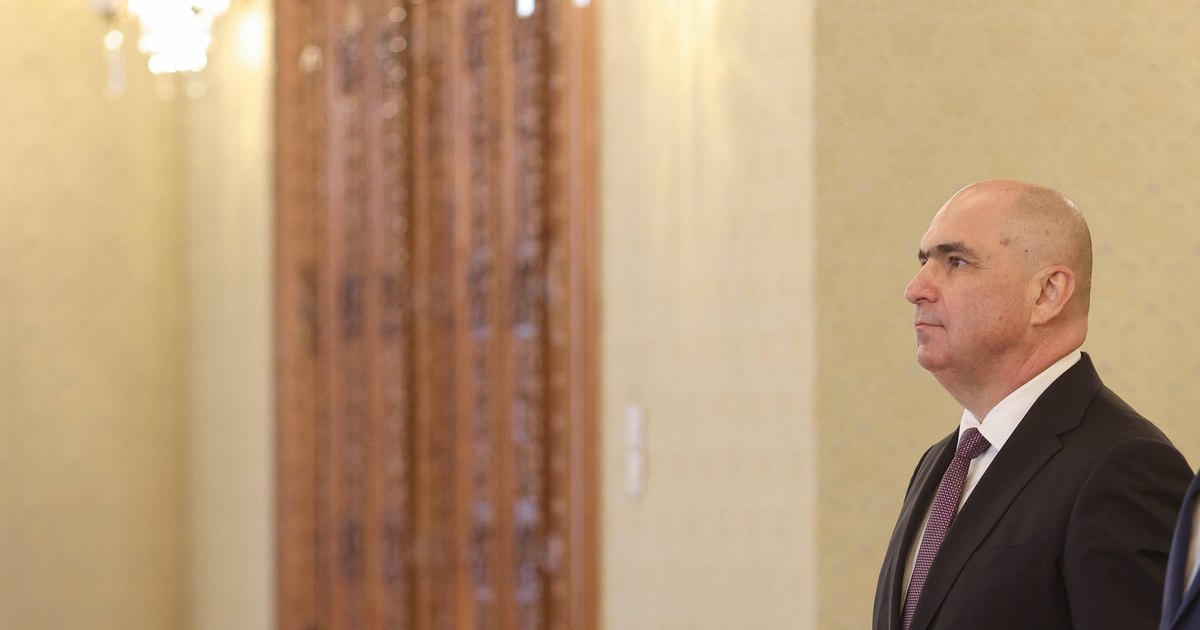
Alexandru Balan. PHOTO: SIS/Facebook
Alexandru Bălan will be transferred from the Central Prison of the Capital Police, under escort, during the morning of Friday, and the handover to the authorities across the Prut will take place between 14:00 and 15:00.
We remind you that Alexandru Bălan was sentenced to one year and six months in prison, as well as to the ban on holding public positions for two and a half years. The sentence was handed down after he admitted his guilt in a case of treason, orchestrated by the Moldovan prosecutors.
Serious accusations in Romania as well
In addition to the conviction in the Republic of Moldova, Alexandru Bălan is also being investigated in Romania, being accused of treason. He was detained on September 8, 2025, in Timișoara, by Romanian prosecutors, on suspicion of having transmitted classified information to secret service officers in Belarus.
Later, the Bucharest Court of Appeal ordered his preventive arrest.
Investigators claim that in the period 2024–2025, Bălan would have met with agents of the Belarusian intelligence services in Budapest, where he would have received instructions and would have been involved in activities considered illegal.
“Invisible” spying methods
According to the information in the file, the former official would have collaborated with Belarusian KGB officer Uladzimir Varazhbitau, supported by other agents, in a network active in several European states.
Judicial sources indicate that they would have used classic espionage methods adapted to the digital environment. Instead of sending the messages by email, they would use a shared account, where they would draft the information in the “Drafts” folder, without actually sending it. This technique allows data to be exchanged without messages being intercepted in transit, significantly complicating investigations.