Mass layoffs in Iran as a result of conflict with the US and Israel. The country's economic situation could worsen

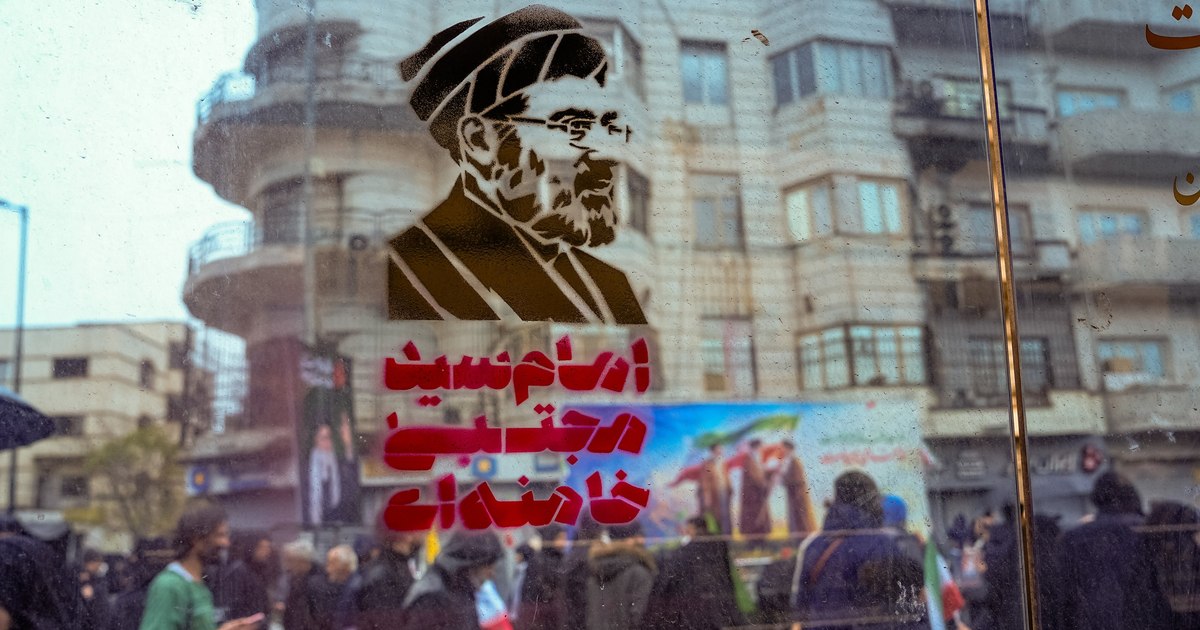
Iran is facing a widespread wave of layoffs amid conflict with the United States and Israel, according to authorities in Tehran.
Iranians face the war with difficulty/PHOTO: Profimedia
Deputy Labor Minister Gholamhossein Mohammadi recently said that approximately two million people have lost their jobs as a result of the war, directly or indirectly.
The situation is hotly debated on social media, where users describe the economic impact visible in everyday life, from less congested transport to reduced activity in commercial areas. Officials and employers use the term “workforce rebalancing” to describe layoffs.
The effects are not limited to factories affected by airstrikes, but extend to trade, manufacturing, the retail sector and the digital economy, the BBC reports.
The reduction in consumption has amplified the difficulties, as the population restricts its spending to the strictly necessary. Areas such as tourism, restaurants and non-food trade are among the most affected.
At the same time, internet blackouts imposed by the authorities have significantly affected the technology sector. The government claims that the measure was adopted for security reasons, but it had direct economic consequences.
Communications Minister Sattar Hashemi previously stated that each day of internet blocking generates economic losses of around 50 trillion riyals (about 35 million dollars). In total, the more than 50 days of restrictions would have cost the economy more than $1.8 billion.
The impact is particularly strong on women, who were already a small proportion of the workforce. Many of these depended on online platforms to conduct their business.
The situation could get worse
The media sector has also been affected, with some institutions resorting to layoffs or turning employees into freelancers.
In parallel, airstrikes on major industrial targets, including petrochemical complexes and steel mills, led to direct job losses and affected entire supply chains.
The auto industry, which directly or indirectly employs around one million people, is also struggling amid supply disruptions.
Blockages in the Strait of Hormuz have contributed to the disruption of some factories, while uncertainty over shipping is affecting raw material imports.
Some companies announced layoffs with the promise of subsequent reemployment, while others imposed furloughs without pay.
The Iranian government has introduced a support program for small businesses, offering loans per employee, but repayment terms and high interest rates limit the impact of these measures.
The employment crisis is taking place in an already difficult economic context, marked by official inflation of more than 50%. Analysts warn that the situation could worsen if the conflict resumes or international sanctions are maintained.
Under these conditions, the combined effects of war and economic pressures risk significantly affecting the standard of living of the population.