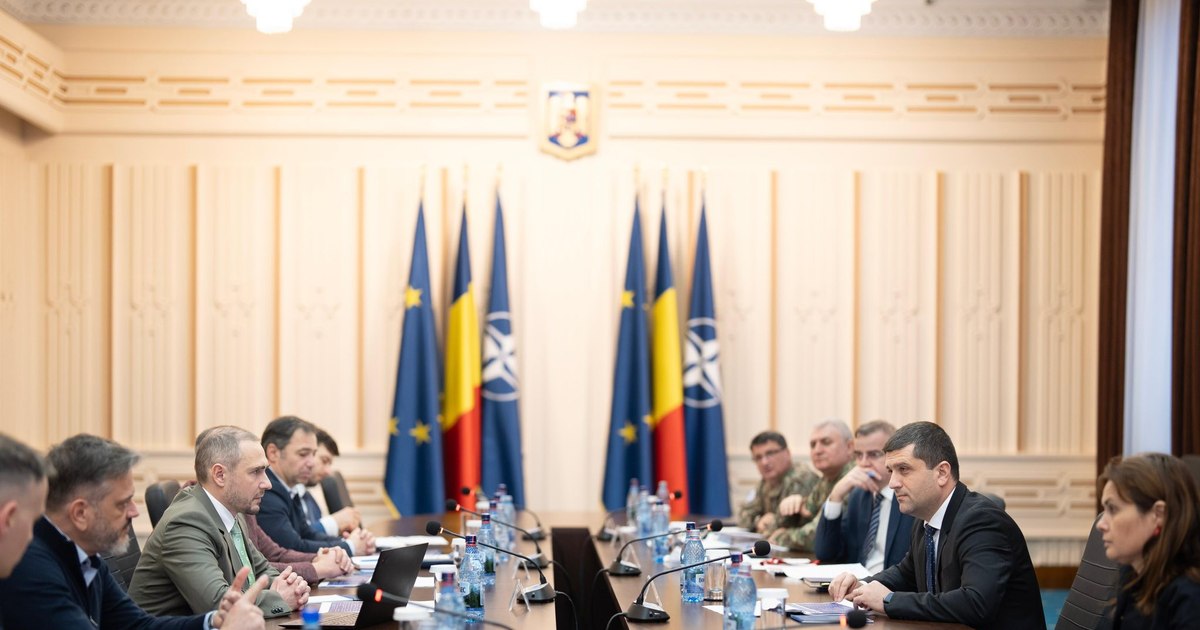
The EC is analyzing the state aid granted by Romania for the refurbishment of reactor 1 at Cernavodă

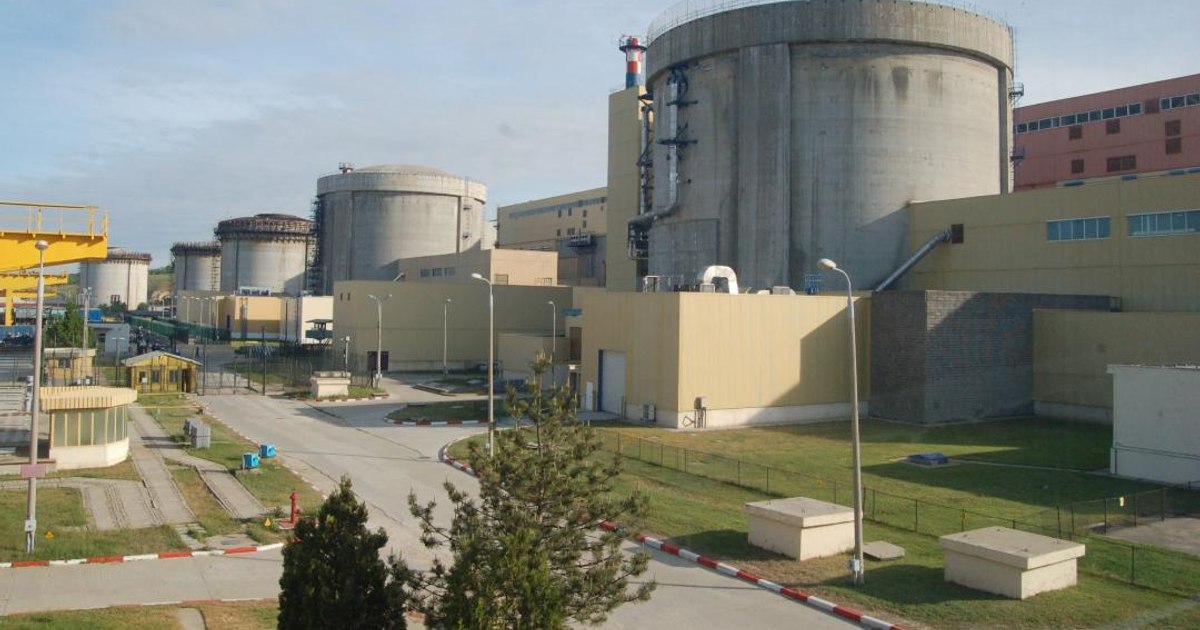
The European Commission is opening an in-depth investigation into the state aid granted by Romania to support the refurbishment of reactor 1 of the Cernavodă Nuclear Power Plant.
The EC is analyzing the state aid granted for the refurbishment of reactor 1 at Cernavodă
In January 2026, Romania notified the Commission of its intention to support the refurbishment of the Unit 1 reactor of the Cernavodă Nuclear Power Plant, while maintaining the same electricity production capacity, namely 706 megawatts, so that it can operate for another 30 years.
The Unit 1 reactor was commissioned in 1996. Currently, it provides approximately 10% of Romania's electricity needs. As the reactor is expected to reach the end of its expected life in 2027, extending its life with a further 30-year operating cycle is essential to ensure the long-term availability of low-carbon electricity. The objective of the project is to increase the security of Romania's electricity supply and to contribute to the Union's decarbonisation objectives. The beneficiary of the support is Compania Națională Nuclearelectrica SA (SNN), the owner and operator of the Cernavodă Nuclear Power Plant, which is majority owned by the Romanian state, and at the same time, the only nuclear energy operator in the country. The estimated nominal value of the project is 3.2 billion euros.
Romania intends to support the re-engineering of the nuclear unit through four measures:
- a grant worth 600 million euros;
- state guarantees for loans contracted to finance the investment;
- a two-way contract for difference (CfD) with a duration of 30 years, intended to ensure stable income for the plant and
- a protection mechanism in case of regulatory changes during construction and operation.
At this stage, based on its preliminary assessment, the Commission considers that the project is necessary and that the aid facilitates the development of an economic activity. However, the Commission has doubts about the measure's full compliance with EU state aid rules. For this reason, the Commission decided to open an in-depth investigation to establish:
- adequacy and proportionality of the aid package. As there are several aid measures which together can limit the risks to the beneficiary, it is important to ensure that no more aid than necessary is ultimately granted. In particular, the Commission has doubts that the proposed package strikes an appropriate balance between reducing risks to create favorable conditions for investment and maintaining incentives for efficient conduct, while avoiding excessive transfer of risks to the state;
- the impact of the aid measure on market competition and whether it is minimised. In particular, the Commission is concerned that several key elements of the CFD do not provide effective incentives for operation and maintenance. At the current stage, the Commission cannot conclude that there are sufficient safeguards to prevent the aid from being passed on to consumers or certain market participants;
- compliance with other provisions of EU legislation, in particular with the principles governing the design of support schemes in the form of two-way contracts for difference, principles set out in Article 19d paragraph (2) of the Electricity Regulation.
The Commission will now continue its investigation to determine whether or not its initial concerns are confirmed. The opening of an in-depth investigation gives Romania and interested third parties the opportunity to present observations, without affecting the outcome of the investigation.
Under the Treaty on the Functioning of the EU (TFEU), member states are free to determine their energy mix, the conditions under which they exploit their energy resources and the overall structure of their energy supply. The decision to promote nuclear energy is a national competence.