Some Ukrainian units operating Patriot systems have begun to deviate from the classic doctrine of engagement, launching a single interceptor against Russian missiles instead of two or more amid limited stockpiles, Business Insider reports.
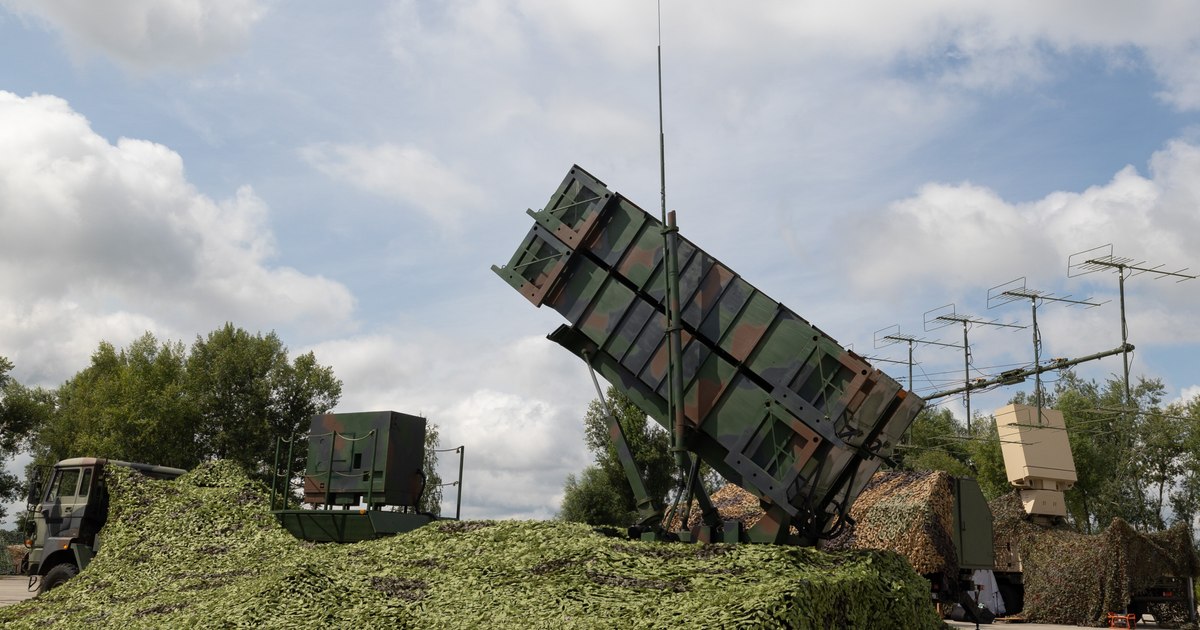
Patriot Missile Launcher PHOTO Shutterstock
A Patriot unit commander, identified as Oleksandr, revealed in a video released by the Ukrainian military's Western Air Command that his crew uses this approach to save resources. Thus, the unit tries to use as few interceptors as possible, he said, but stressed that his forces need more to effectively counter Russian attacks.
According to standard air defense doctrine, between two and four interceptors should be launched against each cruise or ballistic missile to increase the probability of destroying the target. Although this practice is expensive, it is the standard method of risk management, prioritizing the neutralization of the threat. Ukraine, however, does not always afford this luxury. It is unclear how widespread this new tactic is today, with Ukrainian President Volodymyr Zelensky himself admitting that Ukraine is facing an acute shortage of Patriot missiles.
Yehor Cherniev, the deputy chairman of the Committee on National Security, Defense and Intelligence in the Ukrainian Parliament, confirmed that the low stocks of Patriot interceptors forced the military to find ways to use them as effectively as possible. “This is operating the Patriot system manually, without relying on automation”he told Business Insider.
The American MIM-104 Patriot system is the most advanced means of anti-aircraft defense available to Ukraine. NATO countries have supplied Kiev with PAC-2 and PAC-3 interceptors, the latter costing nearly $4 million each.
In the context of massive Russian attacks, sometimes with hundreds of missiles and drones, the pressure on Ukrainian air defenses is huge. Missiles that manage to bypass Patriot systems and other defenses hit civilian infrastructure and residential areas, causing loss of life.
To replenish its stocks, Ukraine has repeatedly requested additional support from NATO, but these weapons are in high demand globally. However, Ukrainian Defense Minister Mihailo Fedorov announced on Tuesday that Germany would fund “several hundred” of Patriot interceptors as part of a new arms package worth 4 billion euros ($4.7 billion).
In parallel, President Volodymyr Zelenskiy suggested during the Iran war that Ukraine would be willing to provide interceptor drones to Middle Eastern states in exchange for these vital systems for the defense of Ukrainian cities.
Ukraine's experience also offers important lessons for the United States and NATO allies. US officials have previously said it is essential that Patriot batteries are well camouflaged, mobile and supported by sufficient stocks of interceptors. Using fewer missiles per engagement could also become relevant practice in the event of a major conflict.
Cherniev believes that, although NATO states are not yet forced to economize, the situation could change. “It is preferable to learn in advance from the Ukrainian officers and make changes in the protocols now,” he said.
In the Middle East, US and allied forces have intercepted thousands of Iranian ballistic missiles and drones in five weeks of intense fighting, raising concerns about the sustainability of interceptor stockpiles in a protracted conflict.
In this context, Cherniev warns that Western allies may have to, in turn, conserve ammunition.