President Donald Trump wants his next visit to China to end on a positive note, not a confrontation, as his administration tries to maintain a delicate balance in relations with Beijing.
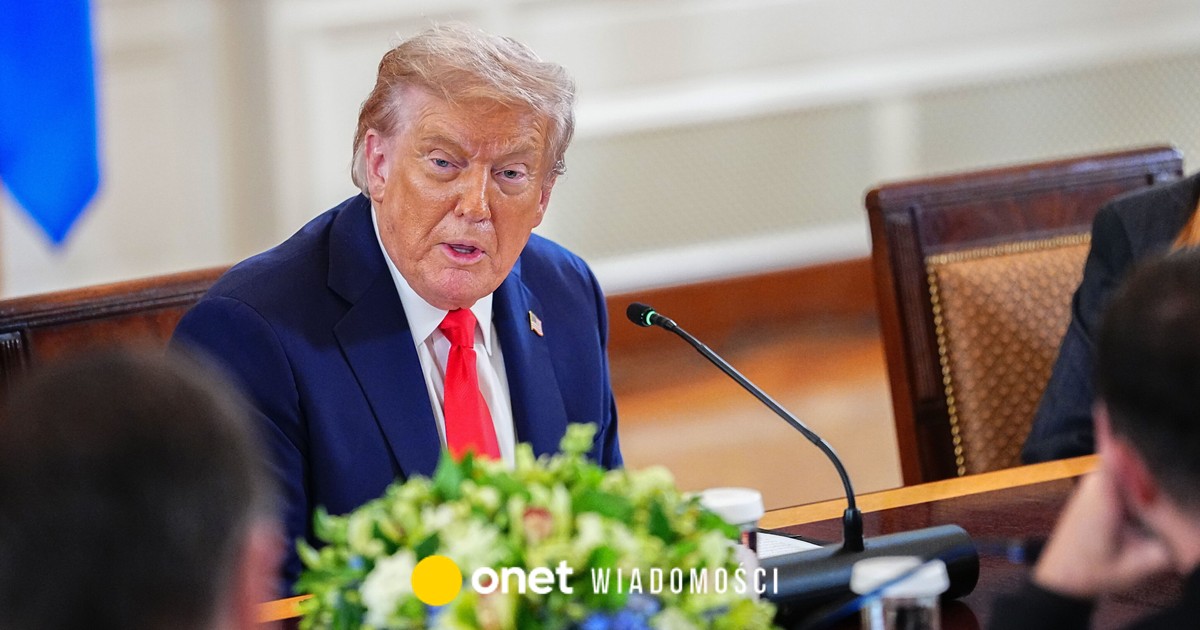
Donald Trump does not want to upset Xi Jimping/PHOTO: EPA/EFE
Although the presidential team includes a number of officials known for their tough stances on China, the current priority is to avoid escalating tensions ahead of the visit scheduled for next month.
Sources close to the administration, cited by politico.eu, say that two officials play a key role in maintaining this direction: Treasury Secretary Scott Bessent and White House Deputy Chief of Staff Stephen Miller. They would have the responsibility to ensure that the messages sent by the American institutions do not destabilize the bilateral relationship.
The objective is that the negotiations already initiated can continue in a stable framework, without additional pressure from within the administration.
The entire government structure “walks on eggshells”
One former US official described the situation as one in which the entire government structure is “walking on eggshells”, noting that after the meeting between Donald Trump and Chinese leader Xi Jinping in South Korea in October, there is a clear directive not to disrupt the existing truce.
Scott Bessent is seen as the main guarantor of this balance, focusing on possible economic agreements and reducing trade imbalances. In contrast, other officials, such as trade adviser Peter Navarro and defense officials, have traditionally advocated a firmer and faster approach to China.
Those close to Bessent say he shares concerns about China, but believes a gradual approach is necessary to avoid major disruptions to the economy. The process of reducing economic dependence on China is seen as a long-term one that cannot be accelerated without significant costs.
White House officials maintain that policy on China is coordinated internally to maintain consistency of decisions. An administration spokesman said all officials are acting in accordance with the priorities set by the president, focused on the national interest and the principle of “America First.”
Trump's visit to China, in a tense context
Trump's visit to China, scheduled for mid-May and previously postponed due to the conflict in Iran, takes place in a sensitive geopolitical context. The United States has recently taken military action in Iran and intervened in Venezuela, both of which have close relations with Beijing. These developments are interpreted by analysts as part of a broader strategy to counter Chinese influence globally.
Sources close to the administration describe the current approach as one of “firm but non-confrontational negotiation” aimed at maintaining domestic economic stability while managing the strategic rivalry with China.
In this framework, Scott Bessent's role is compared to that of a central economic negotiator, while broader foreign policy remains under the president's direction. The administration is counting on reaching trade deals that reduce US strategic dependencies while strengthening its long-term domestic capabilities.
While the approach is supported by some of the presidential team, there are also voices warning that Beijing could exploit any sign of weakness or hesitation. At the same time, there remains a perception within the administration and the Republican Party that China poses a major long-term strategic challenge.
In this context, the relationship between Washington and Beijing remains one of fragile balance, in which economic cooperation and geopolitical competition coexist in a carefully calibrated formula.