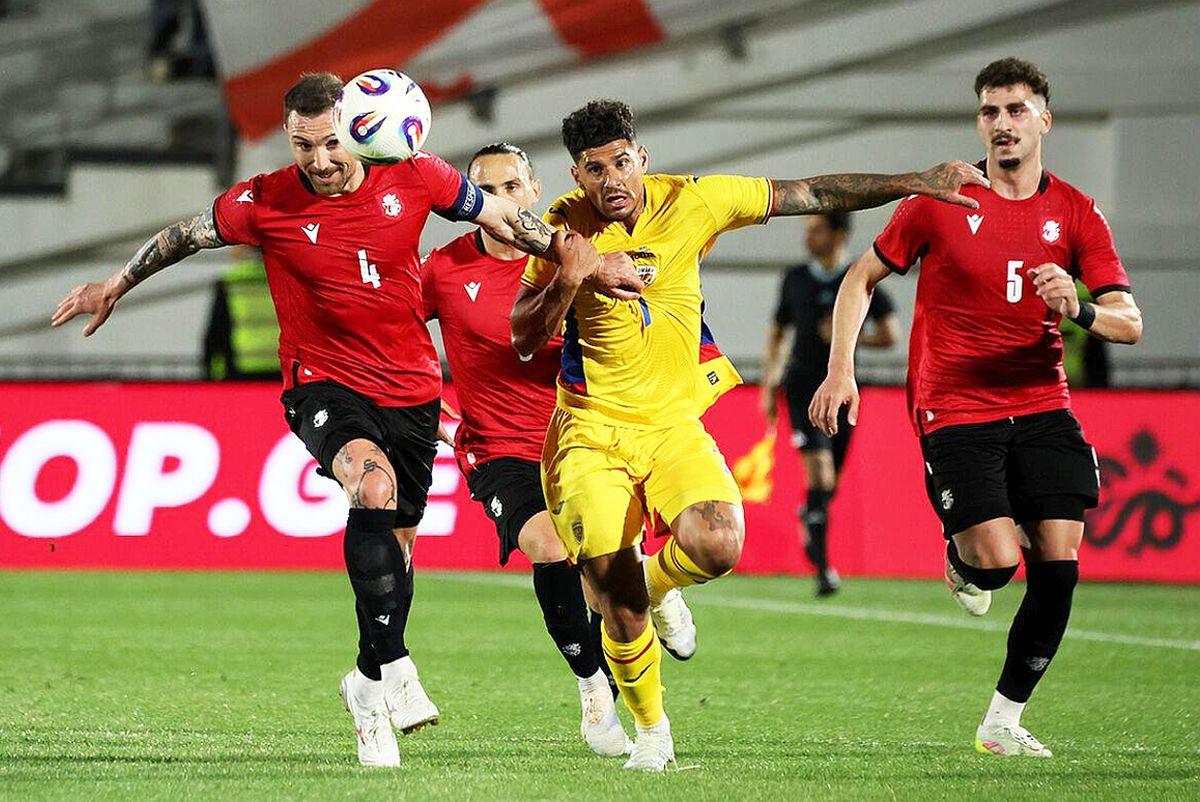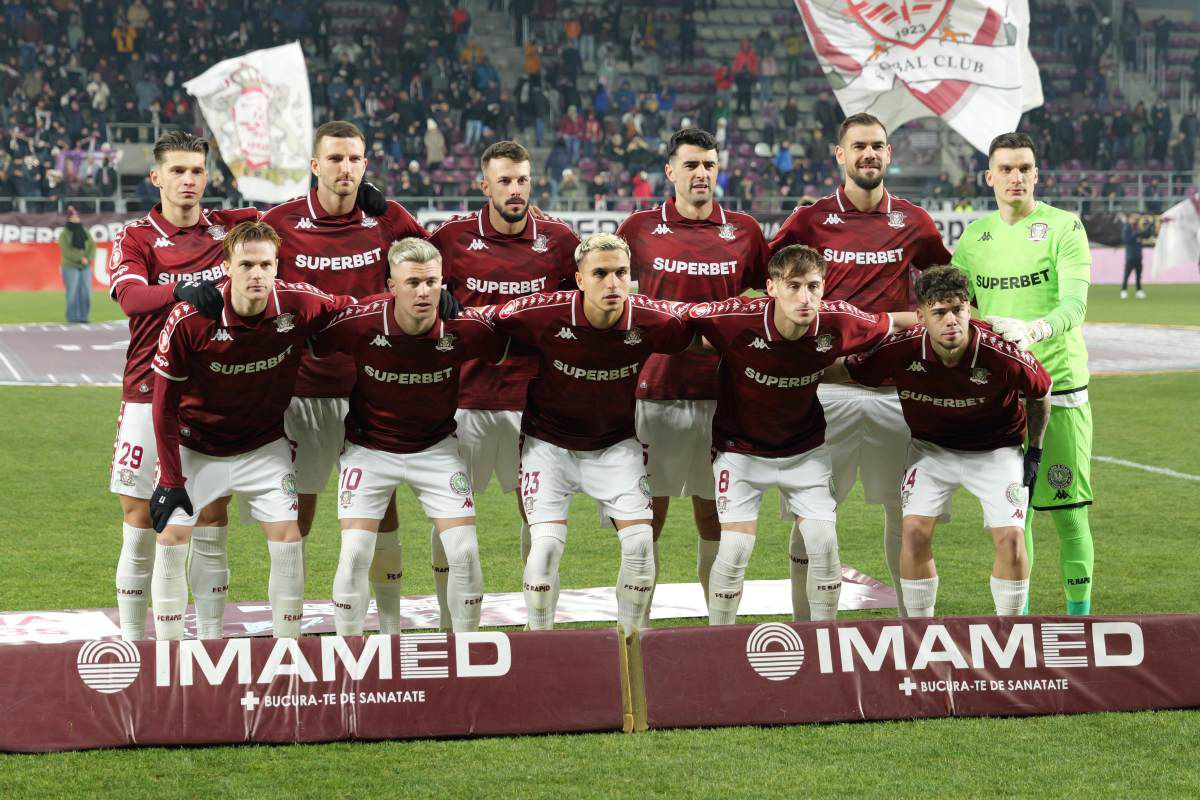
Alexandru Cuc, a Romanian shareholder of Tromso, shared insights following the team’s impressive 5-0 victory against CFR Cluj in the third preliminary round of the Conference League.
In an interview with Gazeta, Cuc analyzed the match that secured Tromso’s place in the play-offs, where they will face Brighton, a representative of the strongest league in the world.
Cuc on Youth Development in Norway
Cuc emphasized, “As Camora and Fică mentioned, everything in Norway starts from children and youth. This is how they build their football.”
He praised Tromso’s performance, noting, “I expected them to play well, but I didn’t anticipate such a score. They approached the match with great calm and clarity, and they were incredible.”
He pointed out the disorganization of CFR Cluj, which was evident from an early stage of the match when Cluj’s players struggled defensively.
Cuc suggested that the qualification seemed decided, especially given that CFR Cluj would face the challenge of playing on artificial turf in cold and potentially rainy conditions.
He identified mentality, organization, and discipline as key strengths of Norwegian football compared to Romanian football. Cuc remarked, “Look at how many tattoos Norwegian players have. Their focus is not on tattoos or flashy cars. That’s why they succeed, because their mentality is different.”
Tromso has never won the league but has reached the cup finals and secured a bronze medal in the championship. Cuc expressed hope that the team would eventually win a title one day.
How Alexandru Cuc Became a Tromso Investor
In 2009, to raise funds and avoid bankruptcy, Tromso decided to sell shares. Over 170 individuals purchased 500 shares each, including Alexandru Cuc, a Cluj native residing in Norway for over 20 years.
Cuc invested 500 euros for those shares, which he still holds today. Currently, 56% of the club’s shares are owned by Tromso Idrettslag, a non-profit sports association, while approximately 23% is held by various minority shareholders, including individuals and local businesses, with the remainder owned by multiple investment companies.