
6 April 17:10
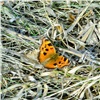
In the Minusinsky Forest in the south of the Krasnoyarsk Territory, the largest of the spring butterflies was spotted emerging from hibernation.
The region's Forest Fire Center reported that they had spotted a multicolored butterfly. This is a day butterfly from the Nymphalidae family, one of the largest among spring butterflies. She was named so for the many colors on her wings: black, red, gold, blue and yellow. Their brownish-brown underside helps them turn into a dry leaf.
“Remember how in the cartoon a baby mammoth thawed out of a block of ice and started swimming. The multicolor butterfly undergoes a similar defrosting procedure every spring. In the winter it freezes, turning into ice. With the arrival of warmth, it comes to life, unless it was eaten or thrown out of a secluded place. One such winged “mammoth” came out of hibernation in the Minusinsk Forest,” the press service said. The awakening was photographed by the deputy head of the Minusinsk forest fire station, Maxim Dryukov.
Butterfly in the south of the Krasnoyarsk Territory
Immediately after the snow melts, these butterflies prepare to reproduce.
“Males catch up with females and tap their antennae to “invite them on a date.” As a result, “rings” of red-brown eggs appear on the branches of birch and willow. One butterfly can lay up to 100 babies. She then dies herself. After a couple of weeks, brownish-gray caterpillars with a large black head hatch from the eggs,” the press service said.
The entire brood is entwined in one web and lives in a common colony. After a month, the caterpillars turn blue with orange longitudinal stripes. They also develop thorns, the prick of which can lead to an allergic reaction. Later, the caterpillars, in the form of pupae, hang upside down under the crown of a tree, and by the end of June they turn into bright butterflies.
“Young animals love to drink sap from damaged birches, willows, and fruit trees. Pampers himself with flower nectar. “Adolescents” are active for several weeks and fall into torpor until the end of summer. In the fall, they actively lean on the juice of berries or fruits. Having “fattened” to the required volumes, they hide in hollows, under the bark, in cracks. They go into cryogenic sleep to return in the spring,” said the Forest Fire Center, warning that butterflies cannot protect themselves from fire. One tongue of flame is enough to kill them.
.
Related links:
- Biologists have named a new species of tropical butterflies in honor of a Siberian scientist
- “Swallowtail”: a large Red Book butterfly was found in the vicinity of Minusinsk