The first tomatoes from Izbiceni arrived in Transylvania. “It was the hardest year since we started making extra-early tomatoes”

From the vegetable basin located in the south of Olt county, the first Romanian tomatoes from 2026 went to the markets, through intermediaries. In Scărișoara, Olt, the first tomatoes were harvested on March 8, and recently a vegetable grower from Izbiceni also started delivery.
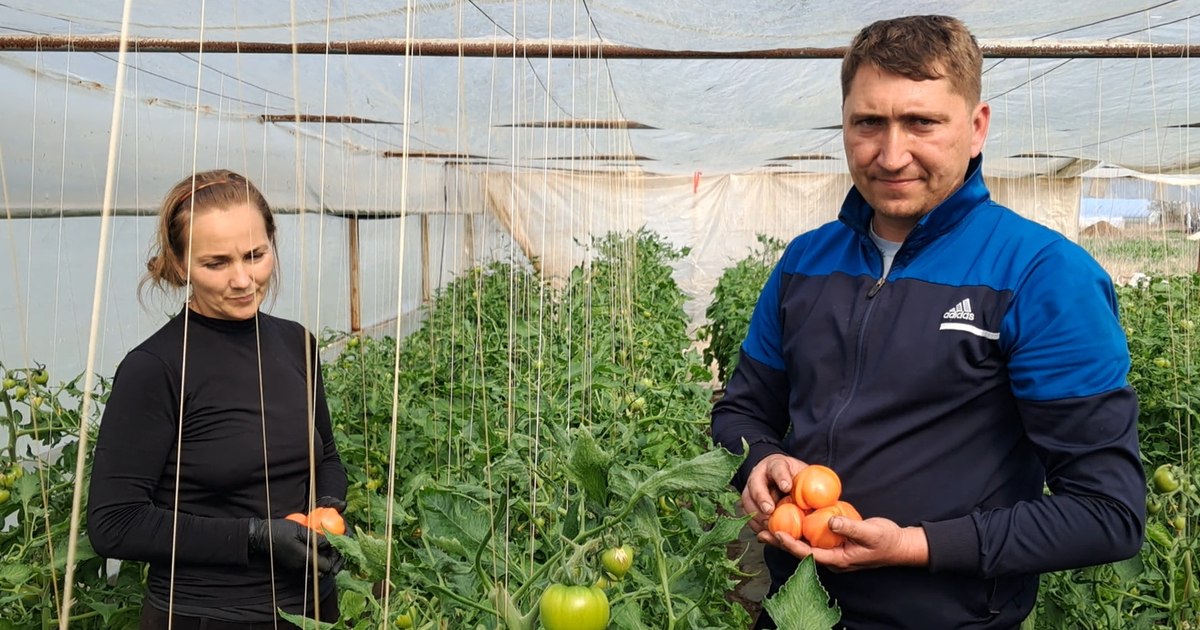
From the farm of the Gherghiță family, the first tomatoes from Izbiceni left for the market in 2026 PHOTO: I. Nucă
The tomatoes obtained in the solariums of the vegetable growers from Olt started to go to the markets in the big cities already in the first half of March. Scărișoara was, as has been the case for several years, the town that broke the ice, Gheorghe Domnicu being the producer who puts the first tomatoes with a special taste on the market every year.
In these days, the first deliveries of tomatoes were also made from Izbiceni. Gigi Gherghiță is the vegetable grower who faced the real winter and sent the first approximately 200 kilograms of tomatoes picked in Izbiceni to consumers in 2026.
The farmer revealed that the tomatoes arrived in Brașov, the intermediary offering the vegetable grower from Izbiceni 50 lei/kg. Although it seems like a good price, Gherghiță says that the miracle will not last, because in a few days other farmers will start harvesting and the price will start to drop steeply. He can't even assess whether he will make a profit or not, so much is at stake. “At the end we will see if it was good or not”, said Gherghiță.
Planted before Christmas and cared for with great effort
The tomatoes were planted even before Christmas, being few daredevils in the whole county, and Gigi Gherghiță was among them. The effort was a special one, because the winter – one like before, after many years with mild winters – kept the vegetable growers on their toes.
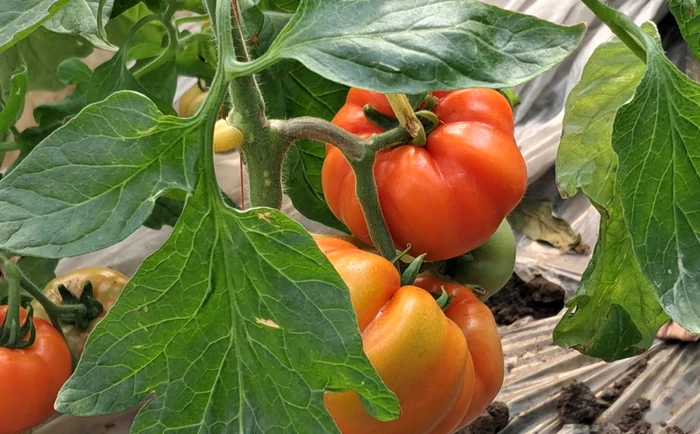
Extra-early tomatoes with a special taste cannot be found in the supermarket PHOTO: Ionelia Nucă
The power plants hummed throughout the period. “It went on for 30 days without stopping, we were cleaning it with fire in it, you had nothing to do”, the farmer reported. Even so, they managed to get the tomatoes to market at least two to three weeks later than last year.
The costs were huge, just for heating 1,000 square meters of solar, amounting to about 10,000 euros from the time of planting. Until then, other work to get the seedling. The biggest drawback was the lack of sunshine, with vegetable growers counting sunny days on their fingers, which increased their fuel consumption enormously.
There were vegetable growers who also faced crop diseases, also against the background of high cloudiness. In such deals, experience has spoken, and those who have succeeded now also enjoy the best price of the year.
“We tried to plant earlier than the other vegetable growers and we try to make the tomatoes as tasty and juicy as possible. We planted before Christmas, the others somewhere in January. It matters if you plant early, but there are others in the middle. It is continuous work, day and night. It was the hardest year since we started making extra-early tomatoes, and that's because of the negative temperatures and during the day,” explained Gherghiță.
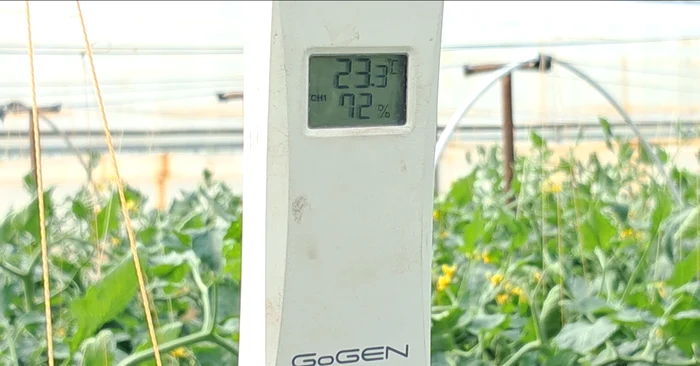
Maintaining the optimal temperature cost the vegetable growers enormously PHOTO: Ionelia Nucă
The production seems good, at least from this point of view things are in order. “We are waiting to complete the harvest to be able to say whether it was a good year or not. At the moment the tomatoes are in demand, but in the next days, weeks, other producers will appear with tomatoes for sale and the market will slowly begin to equalize. The first tomatoes were 50 lei, they left us at this price. The tomatoes reached the tables of the buyers in Brașov. I don't know the final price, I only suspect that an addition was made of 10-25-20%”, the farmer also specified.
In the frosty nights, the vegetable grower had to supplement the heat with heat guns, so diesel fuel was added to the cost of solid fuel. “Diesel being more expensive than last year, it became known. Production seems better than last year, now, we'll see when we draw the line”the farmer also said.
Record area cultivated in the Tomato program. “We remain in the first place by far. We see from next year, that the e-invoice is coming”
“In 10 years the production will decrease a lot”
In Izbiceni, vegetables have been grown for many years, since communism, today the area cultivated with vegetables exceeds 600 hectares, more than half of which are built with solariums.
We are talking about tomatoes with an unmistakable taste, which the supermarket can't afford to sell – on the one hand because of the high price, on the other because of perishability – and Gigi Gherghiță says that his grandparents also grew tasty tomatoes, the tradition has been preserved since then. Back then, on the other hand, there was only one crop per year in the greenhouse, and vegetable growers did all the work in the season, no one bothered to fight nature. What are vegetable growers in the south of Olt County doing today “contradicts everything written in agriculture books”the farmer thinks. They entered, many years ago, this race to get tomatoes to market as early as possible out of a need to differentiate themselves and make an extra penny.
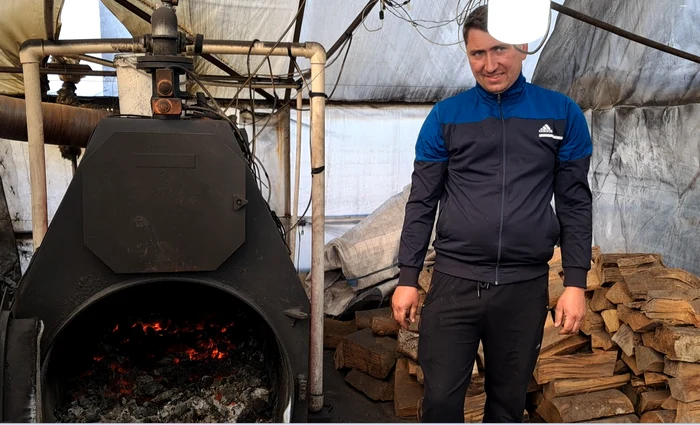
Gigi Gherghiță spent many white nights feeding the power plant PHOTO: I. Nucă
Gigi Gherghiță worked, together with his wife, for almost 10 years abroad, in horticulture. They returned in 2018 and have been growing extra-early tomatoes ever since. The difference, he says, is that back then they planted the tomatoes in March, today they harvest them in March. And that doesn't seem to be enough either, so for the next few years he is thinking of trying to put other vegetables on the market, earlier than usual, because those who come with new things win, otherwise extra-early tomatoes will become the norm. Kapia pepper is one of the ideas. Gheorghiță still grows peppers today, right after the extra-early tomatoes (they are already preparing to plant). He sells it to large warehouses, and from there it ends up in supermarket chains.
Romanian tomatoes, still on the market. “In the supermarket, imported ones are more expensive, but they don't come here out of convenience”
The Gherghiță family produces vegetables in protected spaces on an area of one hectare, with extra-early tomatoes now on 3,000 m2. For a single family, the area is important, requiring labor power. He took care of the tomatoes together with his wife, but for the entire area cultivated with vegetables, he also calls on day laborers.
Vegetable farming, as it is practiced today, will not last much longer, Gigi Gherghiță is convinced. “In 10 years, production will decrease a lot, we will remain much less, because people are getting older, there are those who are now 50 or so years old and who will no longer be able to work. And young people do not all continue“, explains the farmer, for “Adevărul”. Those who follow all the rules will also last in the market. It is an important aspect for the farmer. “I would like the control institutions to collect samples more often, it would help us a lot”says Gherghiță.
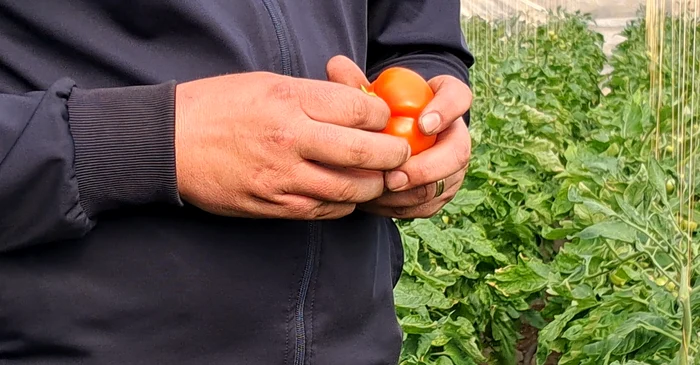
The first tomatoes from Izbiceni went to Transylvania PHOTO: Ionelia Nucă
What he hopes for the future is to keep up and be able to modernize his farm. Moreover, he constantly invested the profit, because despite the attempts, he has not yet caught the race for any measure of financing from European funds. “I am aware that the plants we have today in 10 years will be history”, the farmer also says, so study what might be the cheapest resource and how to benefit from it.