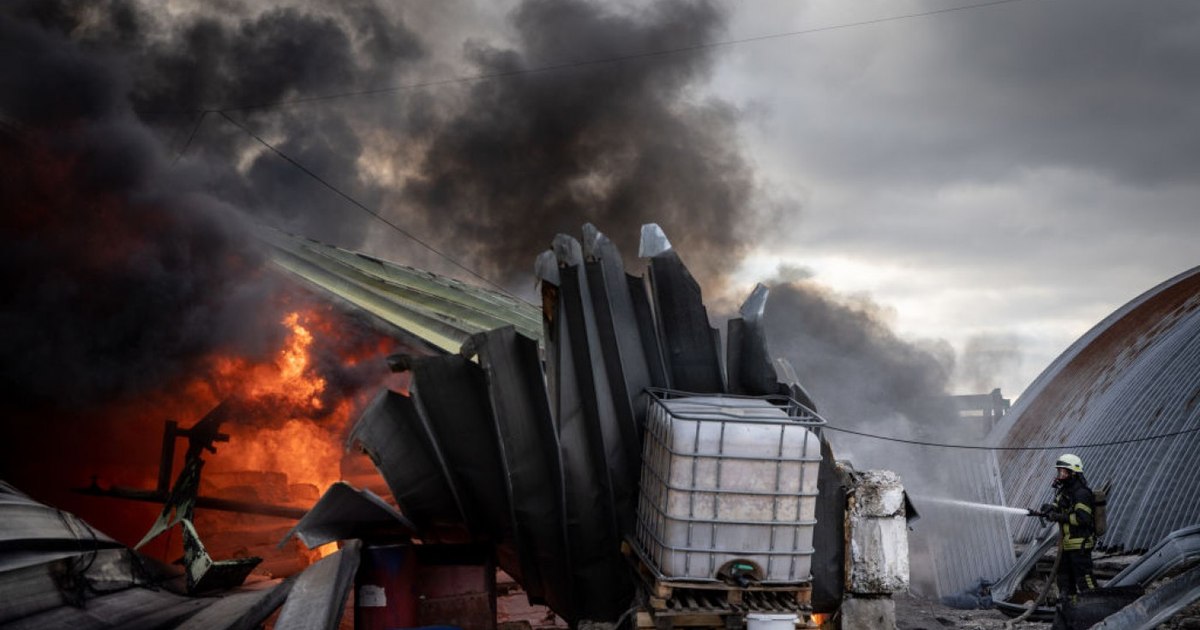
Worse than the oil crisis of the 70s? IEA chief: War with Iran is the biggest energy threat in history

The rise in oil prices amid the Iran war brings back into focus the oil market shocks of 1973 and 1979 that triggered global economic crises.
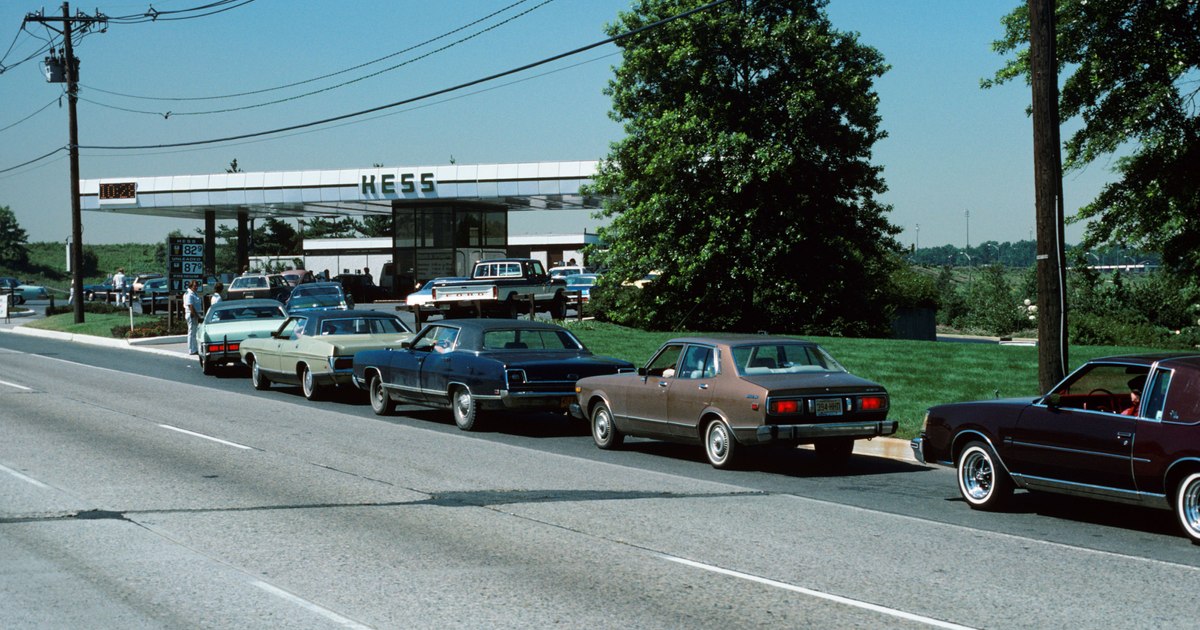
Cars from the 1970s lined up at gas station pumps PHOTO Getty Images
In 1973, writes DW, Arab oil-producing countries imposed an embargo against Western states to punish them for supporting Israel during the Yom Kippur War.
Oil prices have exploded and many Western governments have introduced energy-saving measures such as petrol rationing.
In the 1970s, Germany banned private cars for four consecutive Sundays to deal with the oil crisis.
The head of the International Energy Agency, Fatih Birol, warns that the war with Iran represents the biggest threat to energy security in history, more serious than the crises of the 70s or the effects of the war in Ukraine.
According to him, the oil deficit is now 11 million barrels per day, above the cumulative level of past oil shocks, and the gas market is badly affected, with a doubled global deficit.
In the 1970s, the reduction in oil supply led to steep price increases, which generated price increases in the chain and an inflationary shock. At the same time, industrial production and economic growth declined.
The combination of high inflation and economic stagnation pushed many industrialized nations, including Germany, into stagflation.
The conflict with Iran and the almost total closure of the Strait of Hormuz reduced the global supply of oil by about 8%.
“Then, in the 1970s, global supply fell by only about 5%. In that respect, the shock is stronger now than in 1973 and 1974.”explained Klaus-Jürgen Gern.
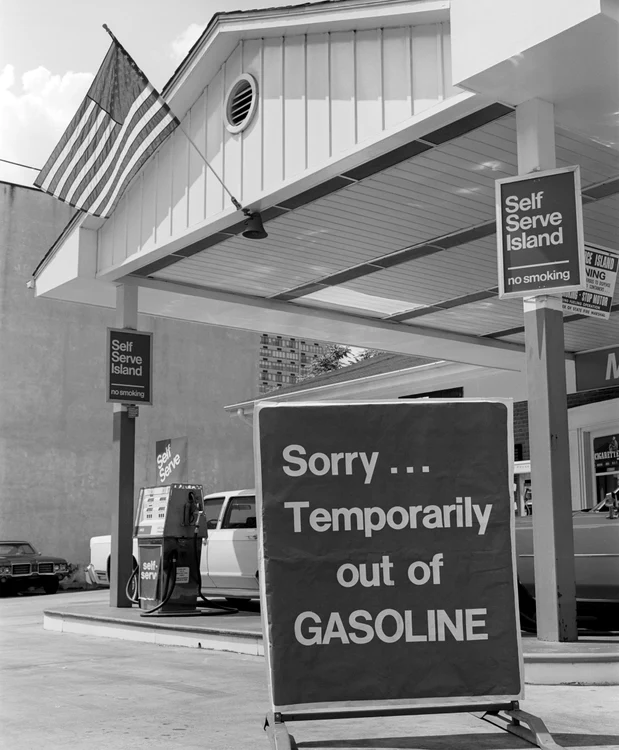
Gas station without fuel in 1979 PHOTO Getty Images
However, oil prices rose much steeper in the 1970s. “Between 1973 and 1974, prices quadrupled. In 1979, they tripled again”Gern said.
Markets expect the war to be short-lived, which would stabilize supply and prices, unlike in the 1970s, when price increases persisted for years.
Currently, price spikes are caused by temporary supply disruptions, not major infrastructure destruction, and analysts believe the market will recover after the conflict ends, without a lasting oil shock.
The war affected energy facilities in nine countries
The conflict caused damage to more than 40 energy facilities in nine Middle Eastern states. Even if the war ended immediately, resuming operations would take a long time.
“Some facilities will take six months to become operational, others much longer,” Birol told the Financial Times.
Qatar has announced that Iranian attacks on the Ras Laffan complex, the world's largest liquefied natural gas facility, could cut supplies by 17 percent over a period of three to five years.
However, Christoph Rühl believes that a real energy crisis would only occur if the Strait of Hormuz remains closed for the long term and other facilities are also affected.
The oil market is more diversified today than in the past. OPEC's share has fallen from over 50% in 1973 to just over 36% today.
The United States remains the largest producer of oil and has increased production significantly over the past decade.
In addition, many states have built up significant reserves. According to the IEA, they reached 8.2 billion barrels at the beginning of the year.
The IEA has already announced the release of 400 million barrels from reserves to make up the shortfall.
These measures reduced the global shortfall from 11 to 8 million barrels per day and limited the rise in prices.