“A New Escalation.” European leader issues warning on Middle East war as Israel announces escalation of attacks

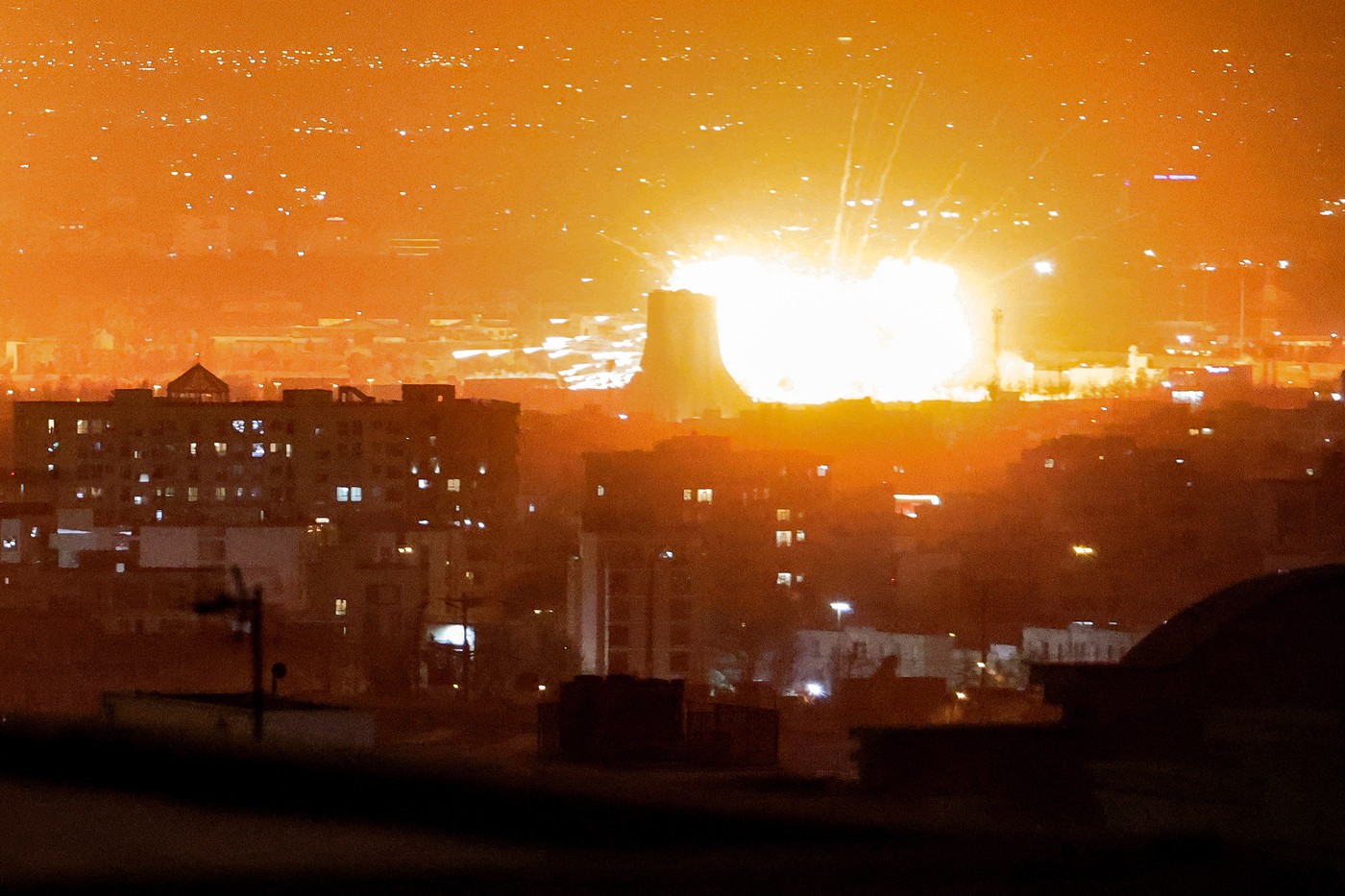
There are reasons to believe that there could be an escalation of the conflict in the Middle East in the coming days, Polish Prime Minister Donald Tusk warned on Friday, according to Reuters. Also on Friday, Israel announced the intensification of attacks on Iran in response to the missiles launched by the Islamic regime, according to The Guardian.
“I have reason to believe, also based on the information we have received from our allies, that stabilization is unlikely in the coming days. On the contrary, a new escalation could take place,” Donald Tusk said on Friday.
“They will pay a high price”
Also on Friday, Israel's Defense Minister announced that Israel would intensify attacks against Iran because the Islamic regime continues to attack with missiles. In his announcement, he threatened Iran to pay a “heavy price”.
“Despite the warnings, the firing continues – as a result, the IDF (not the US military) attacks in Iran will intensify and expand to other targets in sectors that help the regime develop and use military means against Israeli civilians. They will pay a heavy, ever-higher price for this war crime,” Katz said in a video released by his office.
A threat also came from IDF spokesperson Brigadier General Effie Defrin. He vowed that the military would continue to hunt down Iranian leaders. The last major Israeli casualty was IRGC Marine Commander Alireza Tangsiri, who was killed after an attack on his hideout.
“The eliminations will not stop; we will continue to pursue anyone who threatens Israel,” he says.
Attacks on Tehran
The Israeli military said it carried out strikes on targets in Tehran on Friday morning, according to AFP. The military said it carried out “a wave of large-scale attacks targeting the Iranian terrorist regime's infrastructure in the heart of Tehran.”
The military later said it had struck “ballistic missile and air defense production sites throughout Iran.”
However, the way the military operation is proceeding was criticized on Thursday by the leader of the Israeli opposition, Yair Lapid. He warned the Netanyahu government for the first time on Thursday that the war was taking too long a toll.
“The Israel Defense Forces are stretched to the limit and even beyond. The government is leaving the army wounded on the battlefield,” Lapid said, reiterating a warning issued a day earlier by army chief Lt. Gen. Eyal Zamir.
“The government is sending the army into a war on several fronts, without a strategy, without the necessary means and with far too few soldiers,” Lapid said.
The Strait of Hormuz, the source of today's misunderstandings
Donald Trump has repeatedly claimed in recent days that there is progress in peace talks with Iran, even as Tehran has denied formal negotiations are taking place. One of the major points of disagreement between the parties is the Iranian blockade of the Strait of Hormuz, through which a fifth of the world's oil passes.
Iran's Revolutionary Guards announced on Friday that it had turned away three ships trying to transit the Strait of Hormuz, adding that the route was closed to ships traveling to and from ports linked to its “enemies”.
“This morning, following the lies of the corrupt American president who claimed that the Omuz Strait was open, three container ships of different nationalities…were turned away after a warning from the IRGC Navy,” the Revolutionary Guards stated on their Sepah News website.
“The movement of any ship 'to and from' home ports belonging to the allies and supporters of the Zionist-American enemies, to any destination and through any corridor, is prohibited,” the IRGC added.