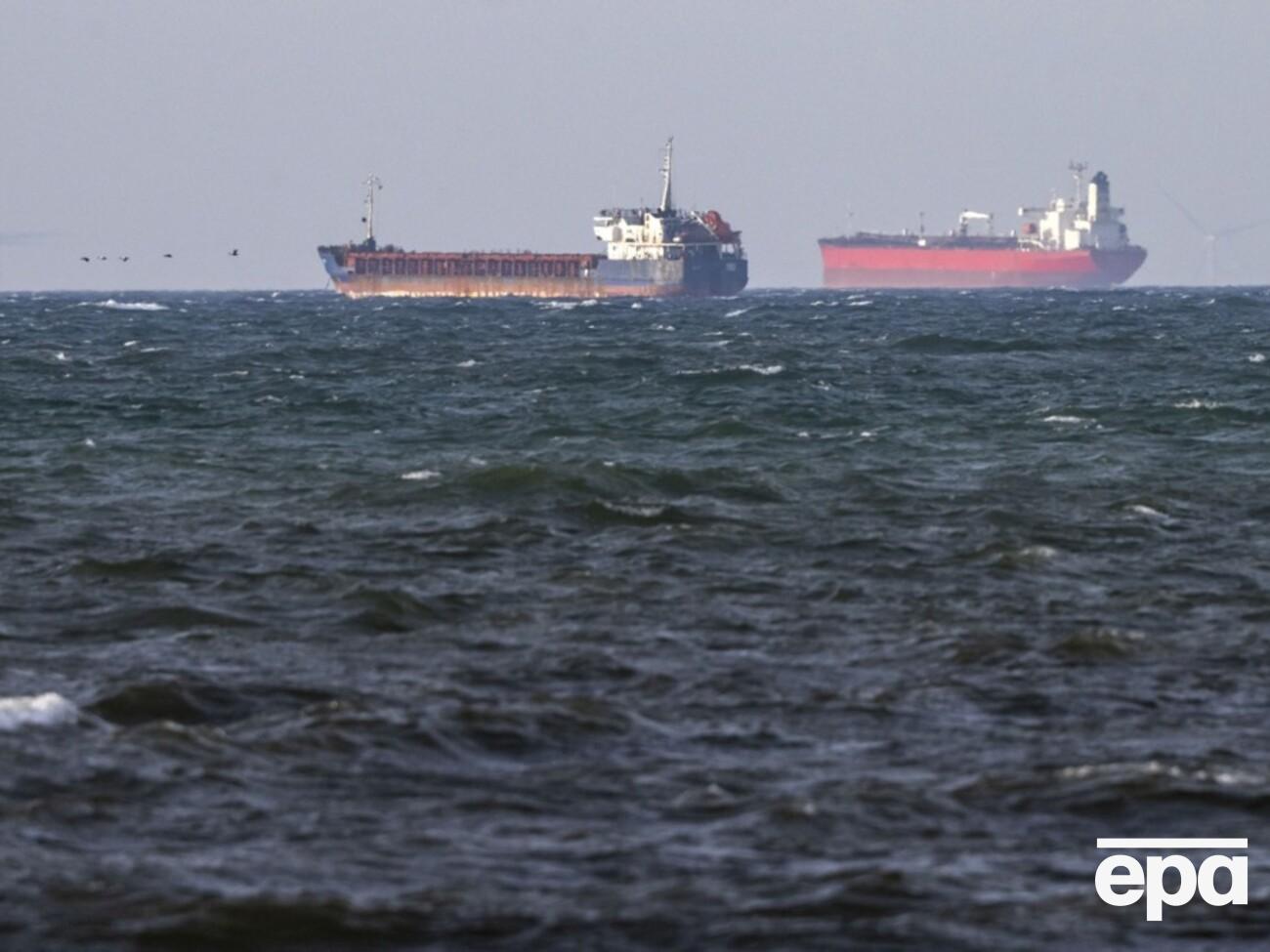
The conflict in the Middle East and the virtual closure of the Strait of Hormuz, one of the key oil supply routes, have caused fuel prices to soar around the world.
The Philippines imports about 98% of its oil from the Persian Gulf, and the price of gasoline and diesel in the country has more than doubled since the war began, the BBC reported.
The media noted that the adopted decree gives the government the authority to control the distribution of fuel, food, medicine and other necessary goods. In addition, the government can now directly purchase fuel and petroleum products to replenish reserves.
The state of emergency will last for one year unless the president extends it or lifts it sooner, the news agency reported. The decision came after calls from senators to acknowledge the “extreme hardships” faced by Filipino families due to soaring oil prices.
The BBC writes that the government is already offering subsidies to transport drivers, has cut ferry services and introduced a four-day working week for civil servants to save fuel.
The article also notes that Energy Secretary Sharon Garin told the media that the country has approximately 45 days of fuel reserves. She added that due to the rising cost of liquefied natural gas, the Philippines will “temporarily” rely more on coal-fired power plants.
According to the BBC, Asia is particularly vulnerable to the blockage of the Strait of Hormuz: last year, almost 90% of all oil and gas passing through the strait was destined for the region.
Context
Against the backdrop of the war between the United States and Israel with Iran, shipping through the Strait of Hormuz, one of the most important routes for global oil trade, through which millions of barrels of crude oil and petroleum products pass from the Middle East to Asia, Europe and the United States every day, has practically stopped since March 1. Oil prices began to rise sharply.
On March 10, information appeared in the media that Iran had allegedly begun mining the strait. US Treasury Secretary Scott Bessent stated that the US Navy will escort tankers from companies that cooperate with the Americans through the Strait of Hormuz.
On March 14, Trump called on China, France, Japan, South Korea, the UK and other countries to send ships to create conditions of openness and security in the Strait of Hormuz.
On March 17, White House adviser Kevin Hassett said that tanker traffic through the Strait of Hormuz was supposedly being restored, and Iran's attempts to restrict shipping on this route had not caused damage to the US economy. On the same day, the head of European diplomacy, Kaya Kallas, proposed introducing an analogue of the “grain deal” concluded during the Russian-Ukrainian war to unblock the Strait of Hormuz.