The latest reports on the economy show rising inflation, which has prompted the Federal Reserve to keep interest rates unchanged. Employment has stagnated, wage growth has slowed and market interest rates are rising amid concerns about rising prices, which in turn is driving up mortgage rates.
With the price of oil currently exceeding $100. at a barrel – and with no end in sight to the conflict with Iran – the US economy has only a small cushion on which to rest if the war in the Middle East begins to shake it.
— The typical buffers that would prevent any kind of external shocks — such as a spike in oil prices — from having a disproportionate impact on the economy are smaller than usual, notes Gregory Daco, chief economist at consultancy EY-Parthenon. – The risk of economic downturn is growing and the situation is extremely unstable – he emphasizes.
The data shows that Warning signs were there even before Iran closed the Strait of Hormuzchoking global supply chains. Trump — who already faces a potential loss of control of Congress to Democrats — is having a hard time convincing voters how his agenda has benefited them. And this situation will become much more difficult as oil and gas prices rise, limiting household spending.
“The foundation of any strong economy is cohesion and progress and trust-building factors, and I just don't see the White House demonstrating those qualities in a disciplined and consistent way,” admits Chuck Coughlin, a veteran Republican strategist from Arizona who runs the consulting firm HighGround. — Most of the country looks at the president and asks, “What is he doing?”
“Everything is going according to plan”
This week, Trump said oil prices would fall “very, very quickly” after the conflict ends, but that the security threat from Iran is more important than the prospects for rising oil prices. On Tuesday, White House National Economic Council Director Kevin Hassett said he expected the war to have only a minimal impact on the economy if it dragged on, but “it could hurt consumers and we'll have to think about what to do about it if it continues.”
“But that's really the last of our concerns right now,” Hassett told CNBC. — We are confident that everything is going according to plan.
Support for Trump on economic issues for months remains at a very low level. A recent survey by The Economist and YouTube found that Americans disapprove of the president's handling of prices and inflation by as much as 32 percentage points. Most also have a negative opinion about the conflict with Iran.
The article continues below the video
Outside of public opinion, the administration's views on the conflict also have no resonance on Wall Street. A survey of the largest fund management companies, published on Tuesday by Bank of America, showed that inflation expectations are rising, and 28 percent of those polled now expect Democrats to regain control of both houses in the midterms — up from 20 percent a month ago. Few predict the United States will enter a recession, but the outlook looks worse than it did at the beginning of the year.
“Before this war broke out, everyone thought we were going to have a pretty good year in terms of economic growth,” says Bob Elliott, co-founder and CEO of the investment firm Unlimited Funds. — It is now quite clear that growth will be weak.
White House officials say the economy remains on solid footing. In their opinion, the president's deregulation program and tax cuts are a factor favoring expansion. The unemployment rate is historically low, private-sector employment has increased over the past year—even despite the decline reported by the Department of Labor last month—and wages continue to rise faster than prices. Consumer confidence improved, as did results from closely monitored surveys tracking economic activity in the services and manufacturing sectors.
“President Trump has always been clear about the temporary disruptions resulting from Operation Epic Fury, but America's economic fundamentals and growth trajectory remain stable: real wages are rising, Consumer Price Index (CPI) inflation has declined, productivity growth remains solid, and trillions of dollars in investment continue to flow into U.S. manufacturing,” White House spokesman Kush Desai said in a statement. He added that the president is “taking a comprehensive, administration-wide approach, working with allies, to mitigate any near-term economic impacts.”
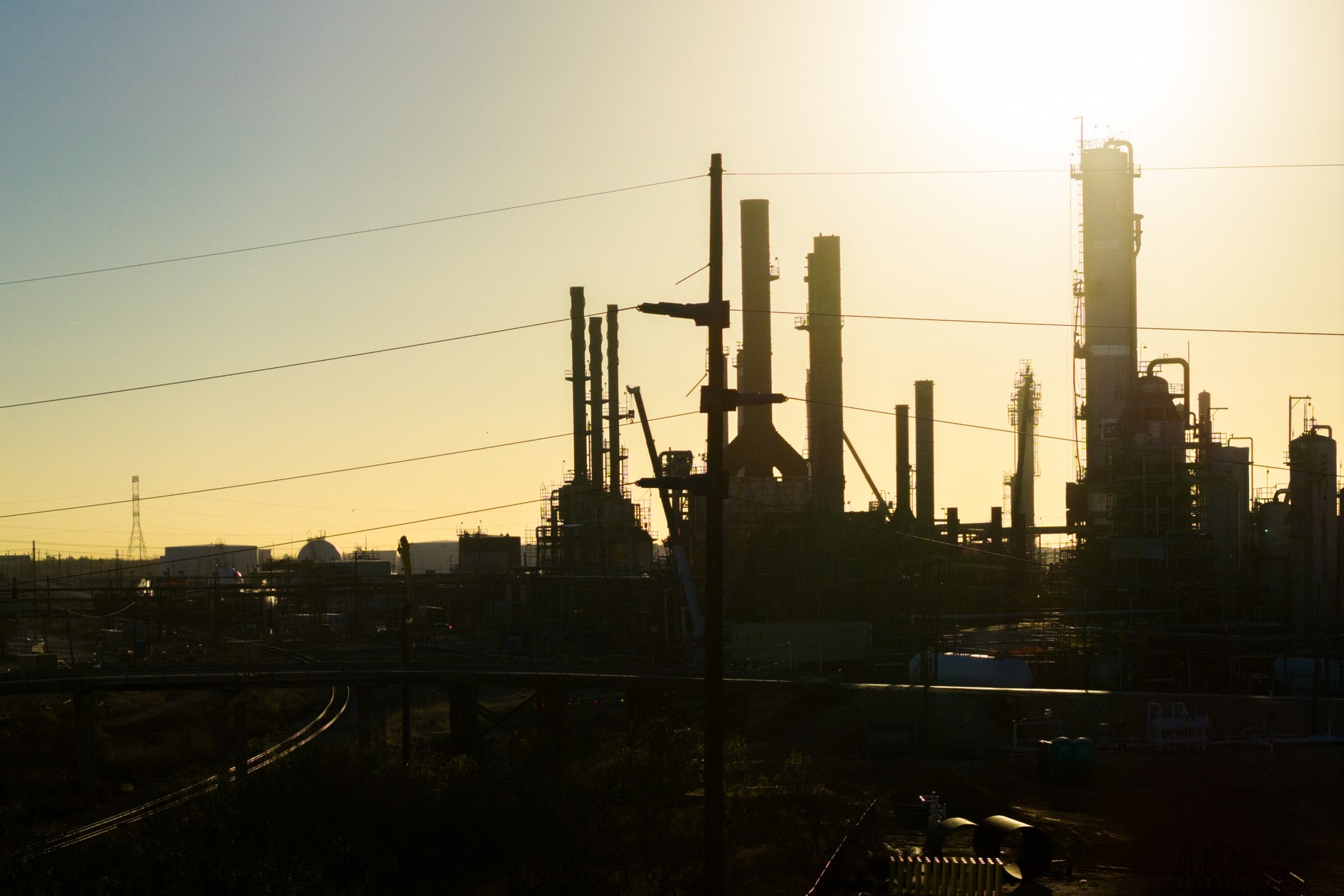
Big Spring Refinery, Texas, March 19, 2026Brandon Bell/Getty Images/Getty Images
The United States is in a much better position to weather the economic fallout than many Asian or European economies. The U.S. is a net exporter of energy, and even if higher oil and gas prices reduce household spending, the impact on the overall economy will be offset by increases in domestic production, says Michael Strain, director of economic policy research at the American Enterprise Institute.
He said oil prices accounted for “a much smaller share of corporate and household budgets and a much smaller share of the overall economy” compared to previous energy shocks. — I think we're pretty well protected.
“Nobody knows what will happen next”
Federal Reserve Chairman Jerome Powell noted Wednesday that the economy it has weathered several crises over the past four years and avoided collapsebut said the inflation rate remained above the central bank's target. Price increases related to Trump's sweeping tariffs continue to weigh on the economy, he said, adding that “the oil shock will continue to put some pressure on spending and employment and on inflation.”
“No one knows what will happen next,” the Fed chairman said. — The economic impact may be greater, it may be smaller, it may be much smaller or it may be much greater. We just don't know.
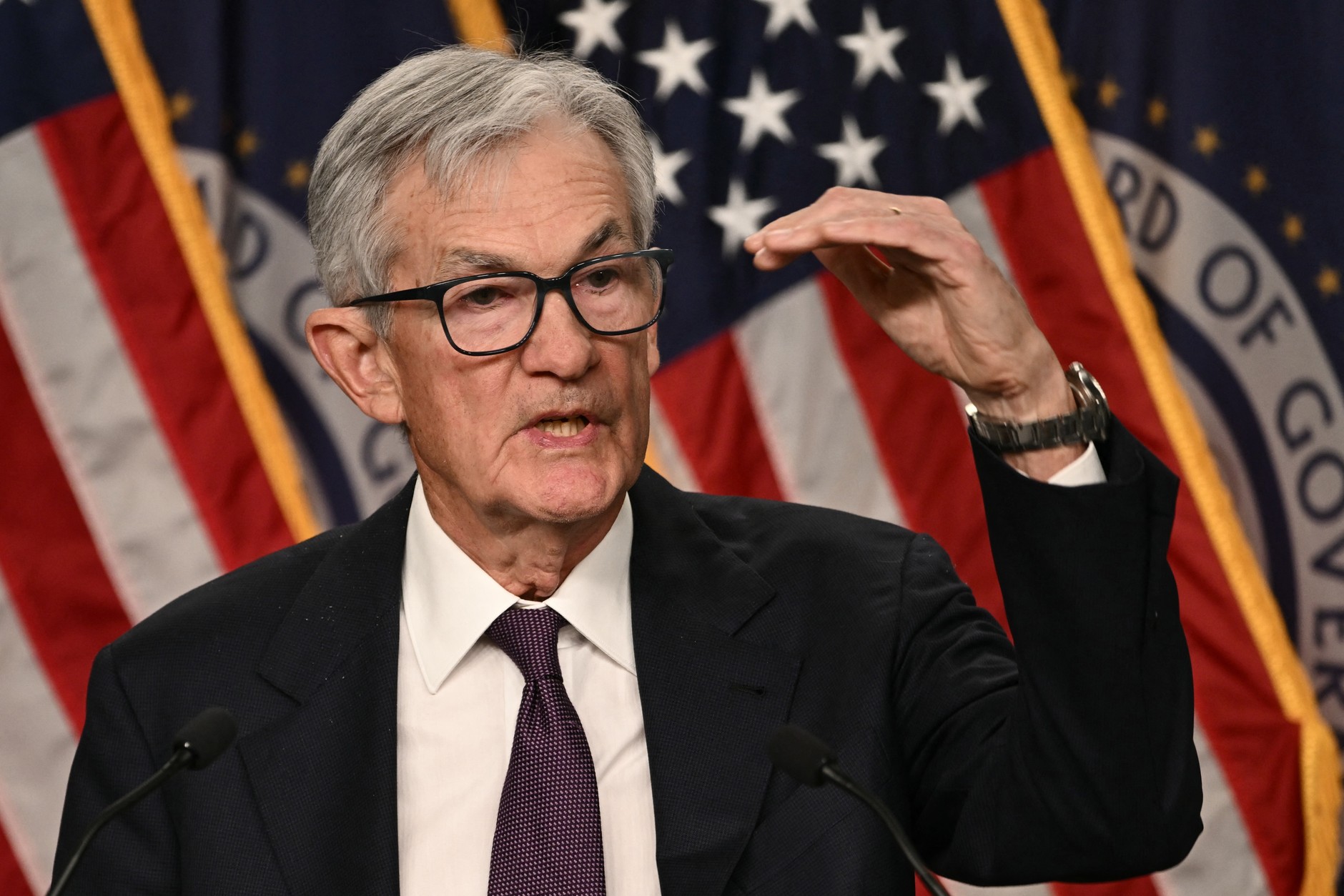
US Federal Reserve Chairman Jerome Powell during a press conference in Washington, March 18, 2026.Brendan SMIALOWSKI / POOL / AFP / AFP
The longer the Strait of Hormuz remains closed, the more serious the economic threats become. The release of global oil reserves, the easing of sanctions and new risk insurance for tankers in the region cannot fully offset the scale of disruptions to global supply chains that are affecting prices and GDP.
Goldman Sachs increased the likelihood of a recession in the US next year up to 25 percent Other banking analysts warn that risks to both inflation and economic growth appear more severe now than they were earlier this year, before oil prices began to soar.
The Commerce Department lowered its fourth-quarter GDP estimates to reflect a slowdown in consumer spending and exports. Wholesale prices rose sharply in February and the Federal Reserve Bank of Chicago's preliminary estimate of inflation-adjusted retail sales growth for February was negative, the Labor Department reported Tuesday.
Even excluding the effects of the conflict with Iran, “the situation looks a little weaker” than before, noted Andrew Hollenhorst, Citigroup's chief U.S. economist, before the Fed meeting. When we add the oil shock to this,we have a really nasty combination of data and events – he added.
I’m Ashley Davis as an editor, I’m committed to upholding the highest standards of integrity and accuracy in every piece we publish. My work is driven by curiosity, a passion for truth, and a belief that journalism plays a crucial role in shaping public discourse. I strive to tell stories that not only inform but also inspire action and conversation.