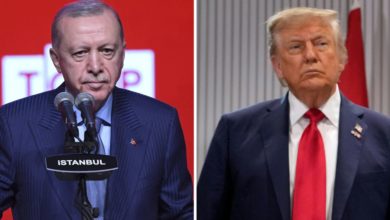
EU leaders Failed to convince Hungarian Prime Minister Viktor Orban at a meeting in Brussels on Thursday to unlock the EUR 90 billion EU loan for Kiev.
The head of the European Council, Antonio Costa, said at a press conference after the EU summit that EU leaders condemned Hungary's behavior during the summit. — A deal is a deal, we have to keep our word. And no one can blackmail the European Council – said the Portuguese.
Summit in Brussels. Among the topics: migration. “We are prepared”
German Chancellor Friedrich Merz, in turn, announced that the European Commission had been asked by leaders to find a way to repay the loan and called Orban's veto an unprecedented “act of grave disloyalty”, which “leaves deep scars”.
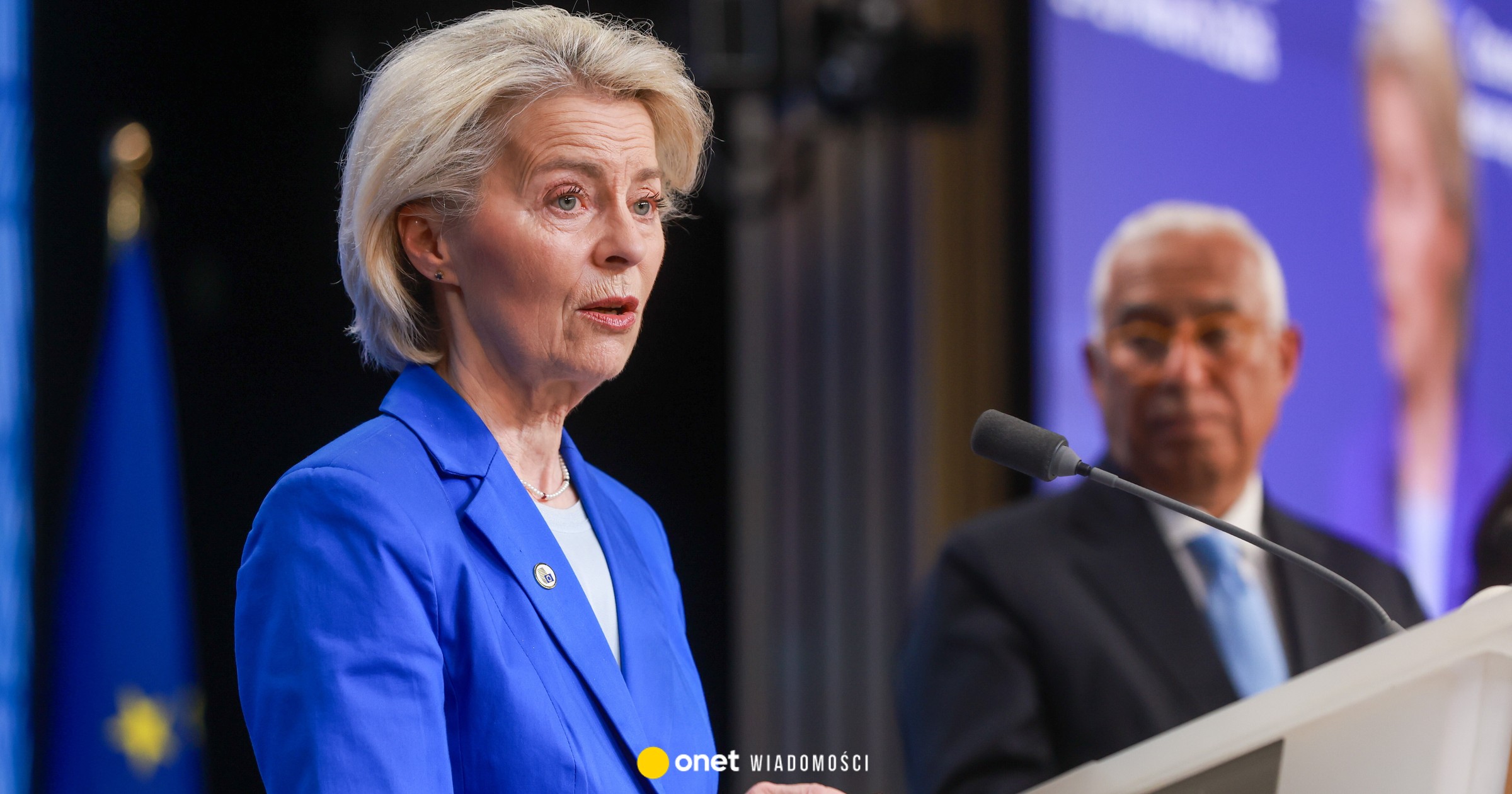
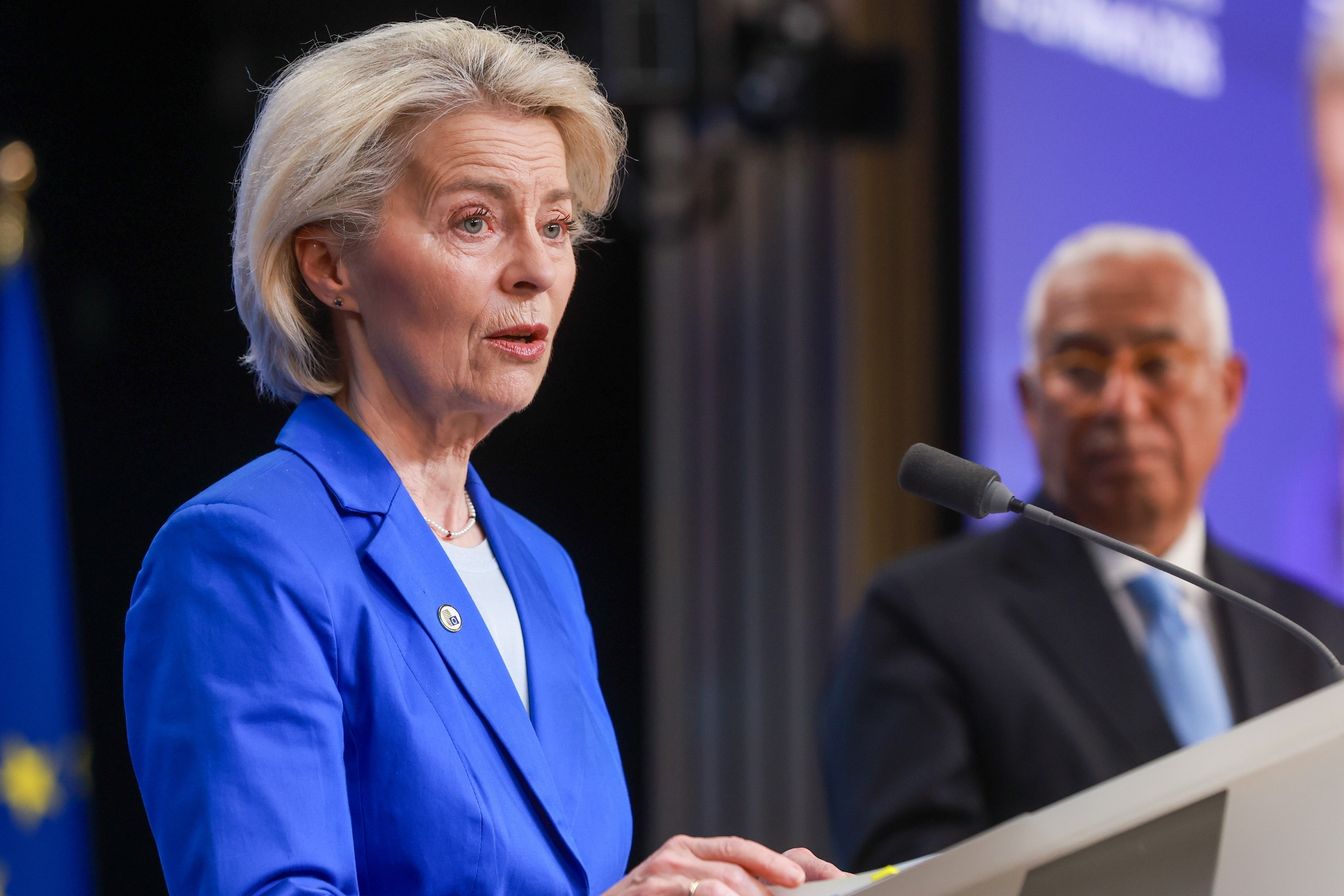
The summit also discussed the crisis in the Middle East and the related concerns that it would trigger a wave of migration from this region to Europe. Ursula von der Leyen assured that Today, the European Union is much better prepared for possible migration pressure than during the 2015 crisis.
— So far we have not observed migration movements towards Europe, but we must be prepared. We will not allow a repeat of 2015. We have learned lessons from the past. And today we are better prepared. We have stronger external borders and stronger agencies. We have a solid legal framework – the Pact on Migration and Asylum. We have strengthened our partnerships with our neighbors in the region. And most importantly, we are united as Europeans, she said.
What about the ECJ? “We need to take action”
Leaders at the summit, next to the situation in the Middle East and the EU loan for Ukraine, they also touched on the issue of increasing energy prices and the reform of the ETS emissions trading system. As von der Leyen assured, the security of energy supplies to the European Union is currently ensured.
— However, Europe is not immune to global price spikes, and energy prices continue to fluctuate as the conflict continues. Just today the price of gas increased by 30%. after attacks on Qatar's gas infrastructure. (…) To minimize the effects, we must take action she said.
As she added, the EU presented it during the summit outline of the action plan on this issue, which includes, among others, more flexible state aid rules, a legal proposal on network fees and improving the efficiency of network infrastructure, and proposals to reduce tax rates on electricity.
The fourth element, as she said, is the price of carbon dioxide emissions, i.e. the EU emissions trading system ETS. — The emissions trading system is working. Significantly reduced gas consumption. Thanks to this, our dependence on imports of fossil fuels has decreased (…). It has also led to significant investments in the energy transition, in low-carbon energy sources, she said. However, she admitted that The ETS requires changes and these changes, as she added, will be developed by the European Commission.
She said that investments in clean technologies and decarbonization are also important. — We will provide our industry with much-needed financial support. That's why I proposed that we call it the “ETS investment booster”. The budget of the program will be approximately EUR 30 billion. It will be financed from 400 million emission allowances under the ETS, and its goal is to finance decarbonization projects, she said.
Leaders are expected to return to the topic of high energy prices at the next EU summit.