Nvidia attracts Hyundai and Nissan to Drive Hyperion program. Autonomous cars are getting closer

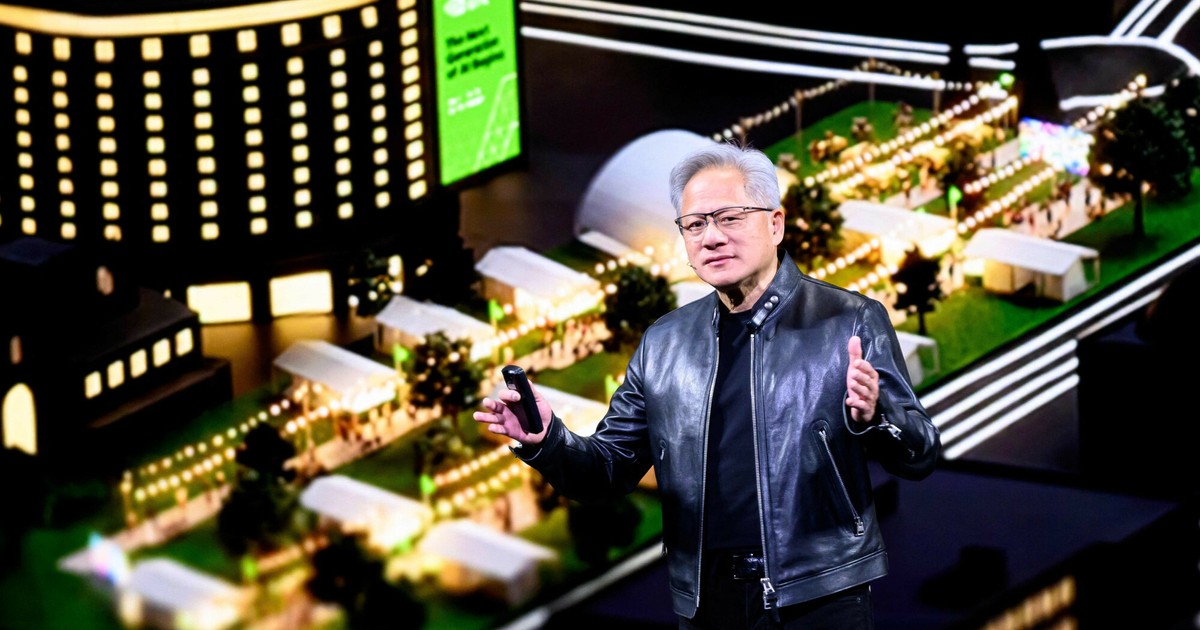
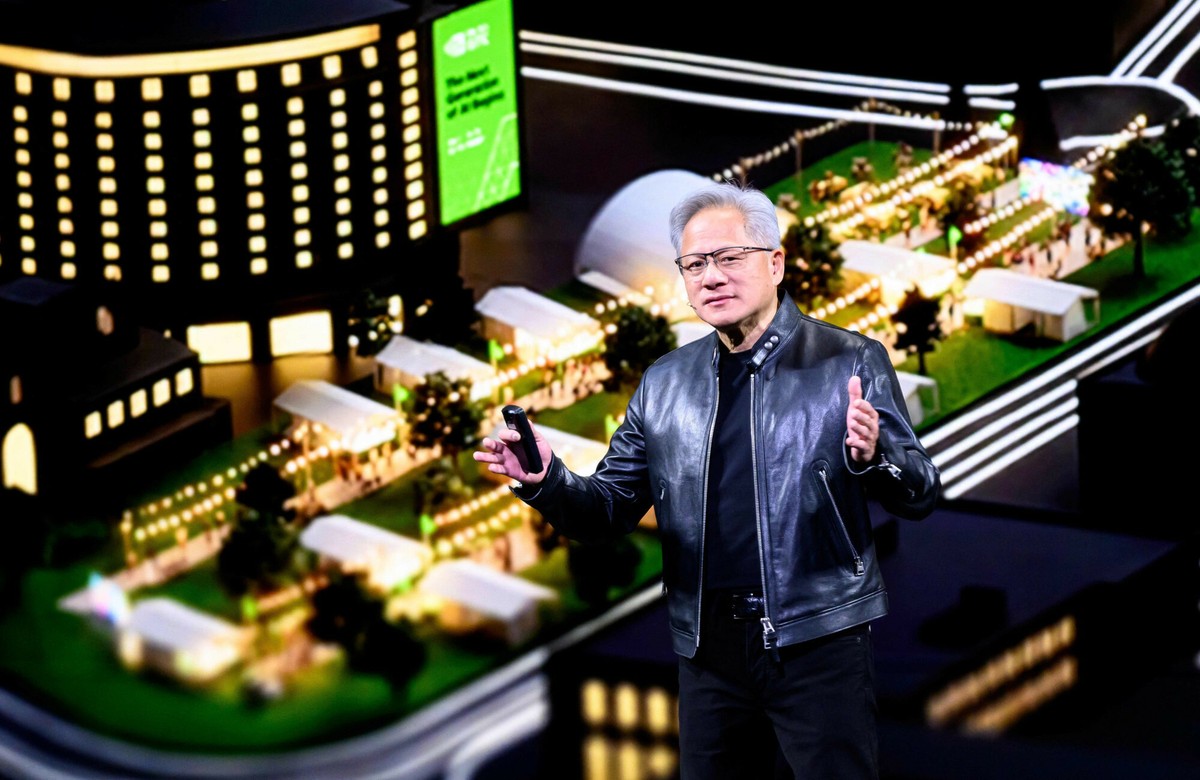
The manufacturer of GPU systems and AI systems has just announced the expansion of cooperation under the program DriveHyperionattracting further global partners to its ecosystem. Thanks to this, class autonomous vehicles Level 4 They are getting on the road from the laboratory to real driving more and more quickly.
The text continues below the video
New partners in Drive Hyperion
Other large car manufacturers are joining the program: Hyundai Motor from South Korea, Nissan Motor from Japan, BYD Auto from China as well Isuzu and Geely.
Thanks to this, more companies will use the full set of Nvidia tools: from training models in data centers, through driving simulations, to computer systems mounted directly in cars.
- Read also: The giant has a huge problem. The advantage can be a drag
What does Level 4 autonomy mean?
Level 4 autonomous driving means that the vehicle can move without driver participation under certain conditionsalthough it is still not standard in consumer cars. Most cars available today only offer Level 2 driver assistance, which requires constant human supervision. The technology enables autonomous movement along selected routes or in designated zones. Drive Hyperion uses, among others: driving simulations and AI training in data centers, as the company boasts. Nvidia's computer systems and sensors go directly into cars, facilitating integration in the vehicles of program partners.
- Read also: So many Poles want autonomous cars and caretaker robots
Autonomous taxis planned
As CNBC writes, Nvidia's expansion of cooperation fits into the global trend of autonomous taxis, which may soon serve city passenger fleets. The partnership with Hyundai, Nissan and BYD is intended to accelerate the implementation of autonomous vehicles on a mass scale. As CNBC reminds, other companies, such as Uber, are already testing autonomous taxi fleets in several dozen cities from 2027. Nvidia's AI, as the company boasts, will allow for better prediction of the behavior of other road users, which is intended to increase safety in cities.