Who is the author of the famous expressions about the “explosion” of the muffin in Romanians, who is invoked at each row of elections

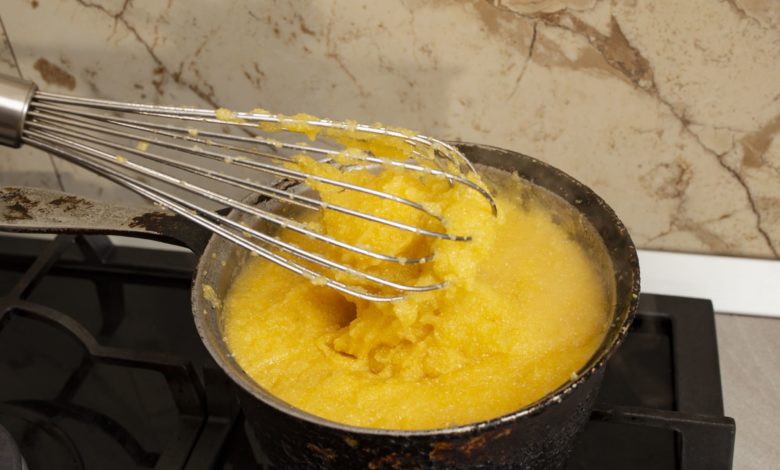
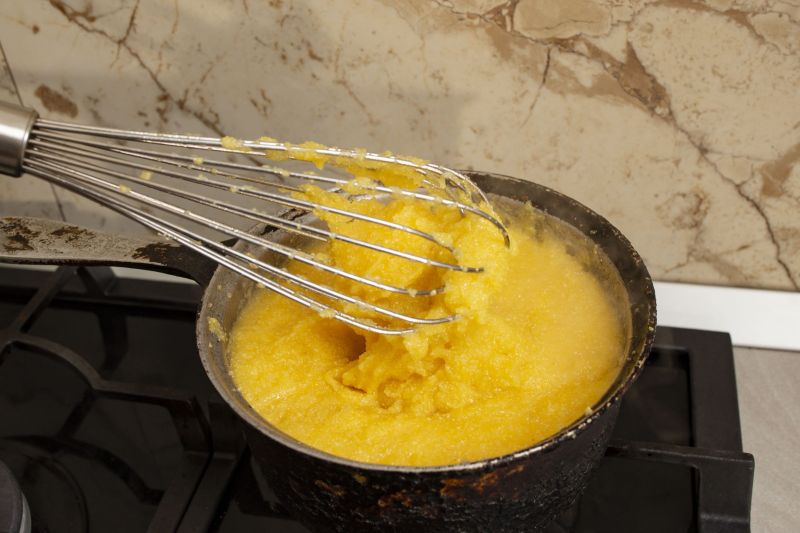
Mamaliga (photo source Dorin Puha, Dreamstime.com)
Will he “explode” or not the Romanian muffin? This is the generic question, used recurrently, when a time is approaching when we expect to see if the patience will reach the end, and the Romanians will burst, after a long time of passivity. The expression is over 40 years old.
The expression “exploded the muffin” expresses the idea of a sudden spill of anger or dissatisfaction, after a period of accumulation in silence. Often it refers to a violent or unexpected reaction of a community (or a people), after a long time has become unbearable.
- Professor Alex Drace – Francis, who recently wrote the book “History of the Mămăligii”, Humanitas Publishing House, tells about an American anthropologist, Steven Sampson, who published six years before the 1989 Revolution with the title “Why the Mămăliga Doesn Explode”. Sampson's text has reviewed several explanations for the absence of dissent movements in Romania.
The American anthropologist did not agree with those who explained the dissent by evoking an innate passivity of the Romanians, a kind of genetic deformation.
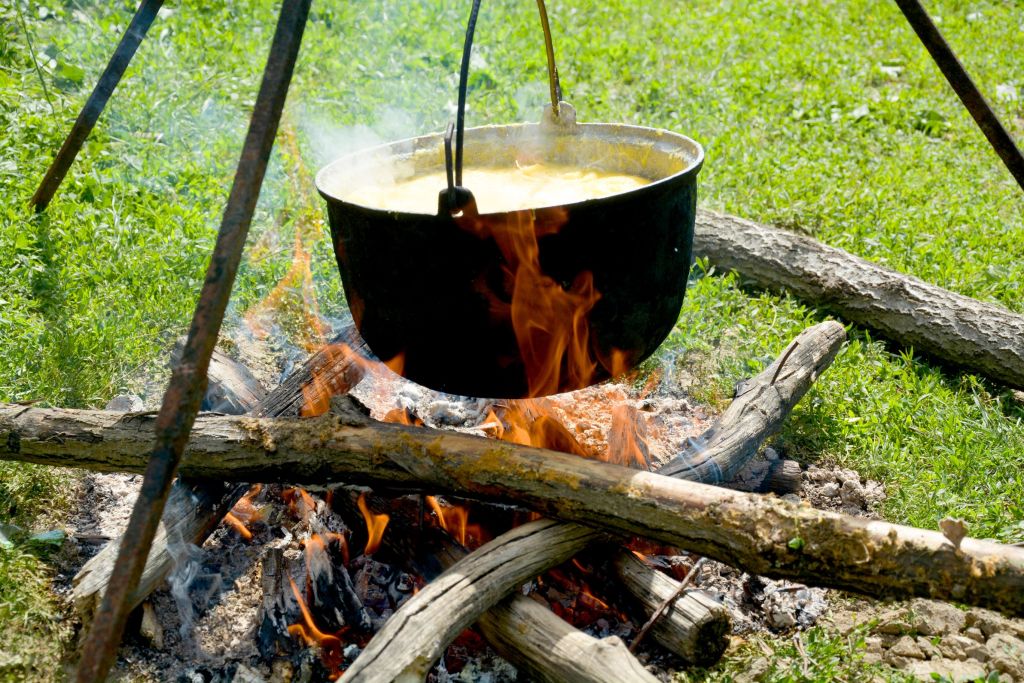
Steven Sampson's article has the title “Muddling Through in Romania: Why the Mămaliga Lesn't Explode” (International Journal of Romanian Studies, 1981-1983). In him, Samson denies that the Romanians cannot adapt, coming with examples that they did, even at critical moments of history.
Here's what Alex Drace writes – Francis about Sampson's article 42 years ago:
- “In an article published in 1983, the American anthropologist Steven Sampson mentioned Mămăliga as a metaphor for the situation in Romania in the late socialist era. Referring to the apparent lack of protest or revolt against the Ceausescu regime, Sampson subtitled his contribution” why he does not explode. ” In the analysis, the author criticized those who claimed that the alleged passivity of the population of Romania is explained by a so-called “Balkan mentality” derived from the traditions of foreign imperial rule. Sampson showed that such explanations are based on the false hypothesis of an unchanging inherited tradition. “
- He emphasized that “what seems to be a” tradition “can, in fact, be a result of modernization.” At the same time, the thesis was fighting that the late socialist society would have been “stagnant” and insisted, on the contrary, on the active role of citizens in the form of subtle behavior in relation to authority. Thus, Sampson rightly criticized the simplistic invocation of long-term historical inheritance in social-scientific studies and proposed a possible approach to understanding the prenational past of Romania ”.
Where did the mums come from
In his book, Alex Drace – Francis talks about the connection between Mămăligă and Romanians. The corn arrived in our places after 1600, and Alex Drace-Francis stops on some important moments in the history of Romanians, when the Mămăliga even exploded (figuratively): the revolution of 1821 and the 1907 uprising.
The author explains that corn played a role in those events, being an essential food for Romanians. Basically, if corn it was expensive or stirred, the lives of simple people became even heavier than it was already and even hunger appeared.
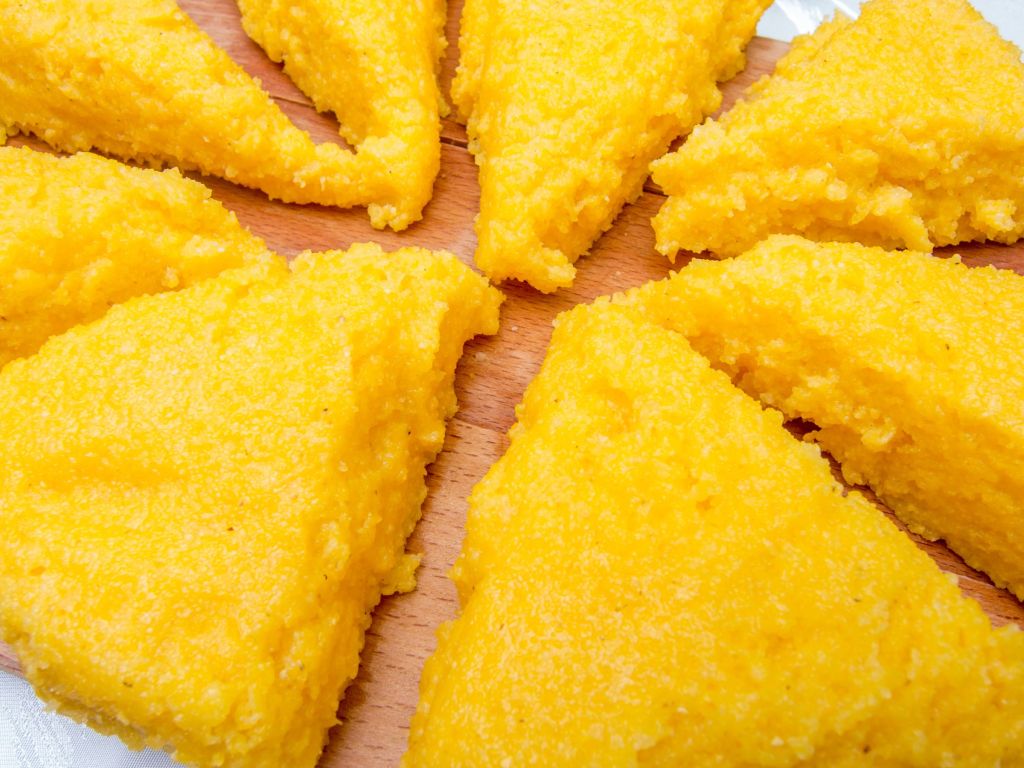
Returning to the expression related to the explosion of the muffin, it was invoked in the 1989 Revolution, when, from the balcony of the Opera in Timisoara, on December 20, a revolutionary cried: “The brothers, finally exploded!”.
In 2010, Sergiu Nicolaescu launched a book entitled “Mămăliga exploded! – December 1989”.
We have a lot of popular expressions about muffins
In Romanian, there are a lot of popular expressions in which the muffin has a leading role. Here are a few, from dexonline.ro.
- Ao puts the muffin = to get into a mess
- to look for knot in the muffin = to search at any price mistakes, even where there is no
- to take off the mămăliga = to win the strict necessary for living
- to make (someone or something) of the muffin = to destroy, to make dust
We do not know what the word mămăligă comes from, but we have several theories
The word “Mămăligă” is first attested in two Slavonic documents issued by the Chancellery of the Romanian Country in the first part of the 16th century (1520 and 1525), but it designates a locality, not a food.
As a corn -based food, it is first mentioned in Brasov in 1718, and in Oltenia five years later (1723), says Alex Drace – Francis.
- The reference works-both the DEX and the Academy Dictionary-consider “mămăligă” as a word of unknown origin. Some have appealed to Italian (meliga, “polenta”) or Bulgarian (mammal, “.
“Among the theories with some plausibility, some favor a” mother “etymology, a childhood term for food; Others, on the other hand, have supported an explanation by “Mălai”, with the doubling of the first syllable, “writes Alex Drace – Francis in his book.
Photo source: dreamstime.com