After almost two weeks under the bombs, the Iranian regime is not, for now, in danger of collapse, US secret services claim

US intelligence believes that the regime in Iran faces no near-term risk of collapse, despite nearly two weeks of continuous bombing by the United States and Israel. The information is cited by Reuters, citing sources familiar with the evaluation reports.
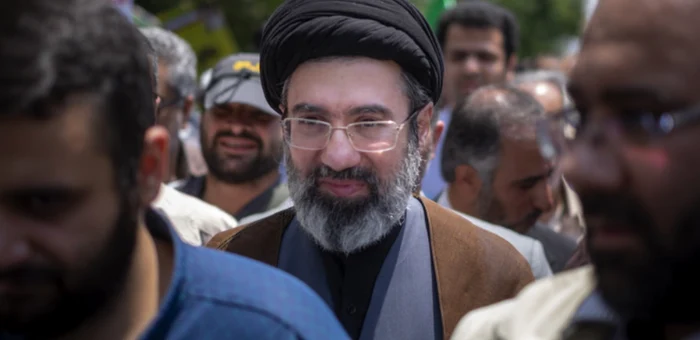
Mojtaba Khamenei, the new supreme leader of Iran/PHOTO:X
According to several analyzes by the US intelligence community, the conclusion is a “consistent” one: the Iranian leadership is not currently under threat of collapse and continues to maintain control over the population. The latest report was presented in the last few days.
The assessments also underscore the high degree of cohesion among Iran's clergy, even after the assassination of Supreme Leader Ayatollah Ali Khamenei on February 28 — the first day of the US-Israeli strikes.
In private discussions, Israeli officials have also admitted that there is no certainty that the current conflict will lead to the fall of the regime in Tehran.
However, the cited sources warn that the situation remains volatile and internal developments in Iran can change quickly.
Since the beginning of the conflict, the United States and Israel have targeted a number of Iranian targets, including air defense systems, nuclear facilities and members of the top leadership. The administration of US President Donald Trump cited several reasons for launching the operation. In his initial speech, Trump urged the Iranians to “take power”, but his close aides later rejected the idea that the main objective of the intervention was to topple the regime.
As a result of the attacks, in addition to Ali Khamenei, dozens of high-ranking officials and some of the most important commanders of the Islamic Revolutionary Guard Corps were killed. However, according to US intelligence, this military structure, together with the interim leaders who took over after Khamenei's death, continue to control the situation in the country.
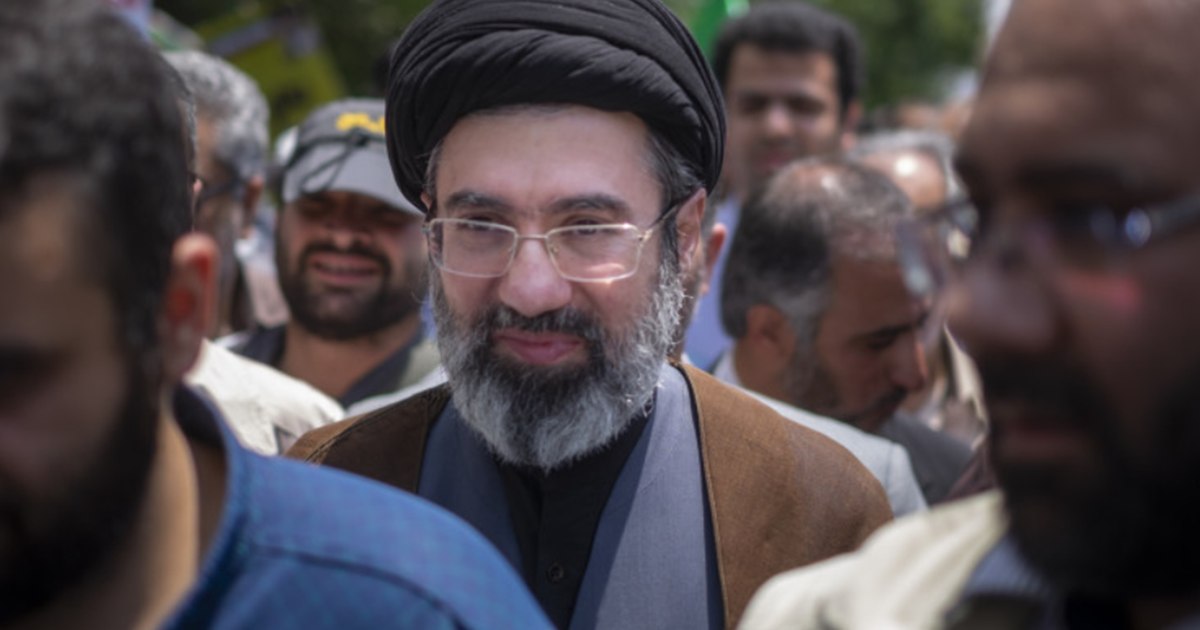
Earlier this week, Iran's Assembly of Experts — a body made up of high-ranking Shiite clerics — named Mojtaba Khamenei, the former supreme leader's son, as the Islamic republic's new supreme leader.
Israel would not intend to allow any structures of the former Iranian leadership to survive
At the same time, according to a Reuters source, Israel would not intend to allow the survival of any structures of the former Iranian leadership.
It remains unclear how the current military campaign by the United States and Israel could lead to the overthrow of the regime in Tehran. Analysts say such an outcome would most likely require a ground operation to allow the Iranian population to protest safely in the streets. The press previously reported that the Trump administration has not completely ruled out the possibility of sending US troops to Iran.
Last week, Reuters reported that Iranian Kurdish militias based in Iraq had discussed with US officials the possibility of launching attacks against Iranian security forces in the west of the country. Such a scenario could put pressure on the regime's security apparatus and create the conditions for an internal uprising.
However, US intelligence assessments raise questions about the ability of these Kurdish groups to sustain a prolonged confrontation with Iranian forces. According to reports, they have neither sufficient firepower nor the necessary troops. Representatives of these groups have requested Washington officials and members of the US Congress to supply weapons and armored vehicles.
However, on March 7, President Donald Trump said he had ruled out the possibility of an incursion by Kurdish groups into Iran.
Amid growing political pressure from rapidly rising oil prices, Trump has said he plans to end “soon” the largest US military operation since 2003. But analysts warn that finding an acceptable way out of the conflict could be difficult as long as the Iranian regime's leaders remain in power.