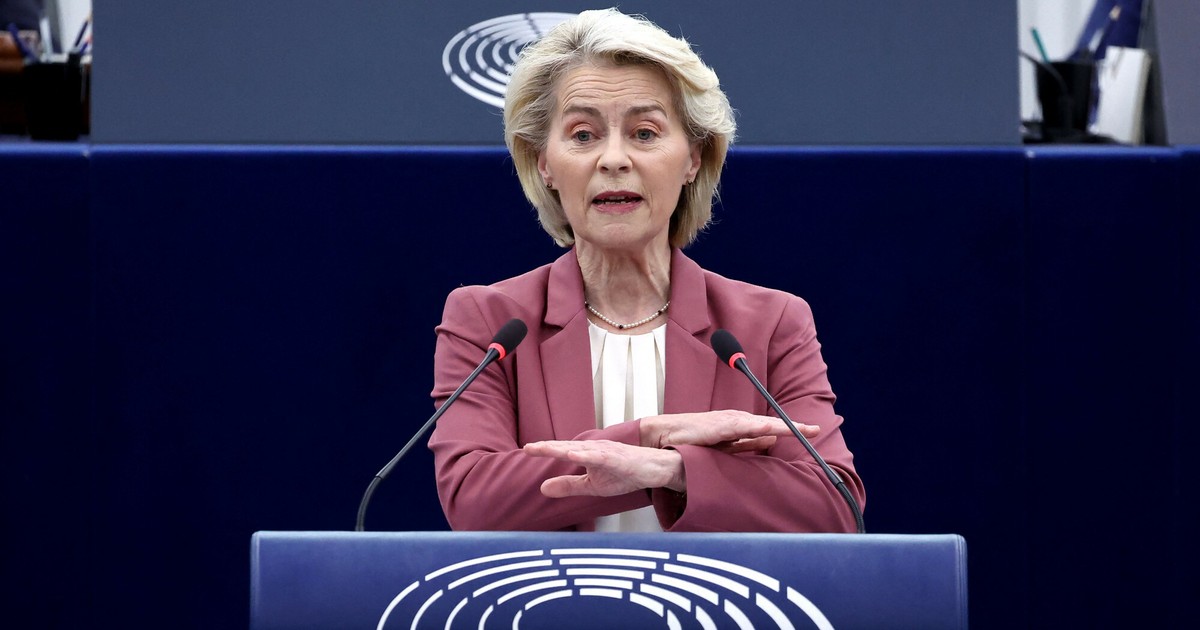
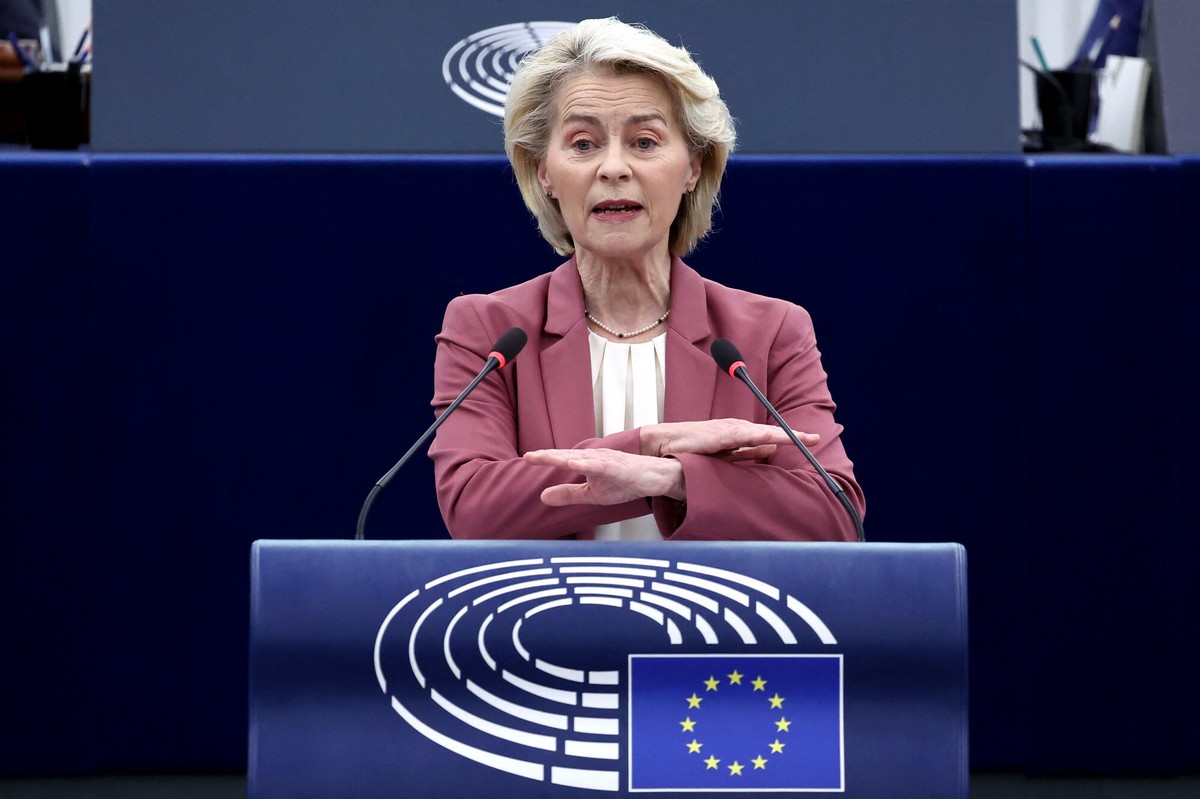
The head of the European Commission referred to the difficult situation on the global energy market caused by the conflict between the USA, Israel and Iran. She noted that the European Union has its own sources of renewable energy and nuclear energy, which is the foundation of its energy strategy. Von der Leyen rejected suggestions to return to importing Russian fossil fuels in the face of the current crisis, calling such a step a “strategic mistake.” As she emphasized, this would amount to greater dependence and vulnerability. “We must stick to our long-term strategy, although we can be more pragmatic and smarter in implementing it.” she said.
The rest of the text is below the video
At the same time, she drew attention to the difficulties faced by European households and businesses. She pointed out that it is necessary to find solutions that will reduce energy costs. She explained that energy bills consist of four main elements: the cost of the energy itself (56%), network fees (18%), taxes and fees (15%) and the cost of CO2 emissions (11%). Von der Leyen pointed out that these proportions vary depending on the energy mix of individual member states.
Read also: Przemysław Czarnek wants Poland to leave the ETS. He announced the bill
“Broad support” for the current energy market model
The President of the European Commission assessed that the current model of the energy market in the European Union has passed the test, but requires some corrections. The key challenge is to limit the impact of gas prices on electricity prices. Among the solutions considered, she mentioned, among others: better use of contracts for difference and energy purchase agreements, as well as public aid funds. “We are also considering subsidizing or introducing a cap on gas prices” – she added.
Von der Leyen also drew attention to the problem of network fees, which she described as a “delicate issue”. On the one hand, they are necessary to invest in modern energy networks, on the other hand, there is room to improve their efficiency. She cited data according to which a record 80 gigawatts of renewable energy sources were installed in the European Union in 2022, but much of this energy could not be used due to lack of access to the grid. “With the growing demand for electricity, this situation is unsustainable,” she emphasized.
Read also: The revision of the ECJ directive is getting closer. “The atmosphere is getting thicker”
ETS as a pillar of climate policy
In her speech, von der Leyen paid special attention to the Emissions Trading System (ETS), which is a key tool of the EU's climate policy. She recalled that this mechanism allows for reducing greenhouse gas emissions by giving them a price. “Without the ETS, we would now consume 100 billion cubic meters of gas more, which would make us more dependent and vulnerable to threats.” – she pointed out. At the same time, she pointed to the need to modernize it, expressing hope for further cooperation with the European Parliament in this regard.
Referring to the issue of taxes and fees, von der Leyen recalled that they are the responsibility of the Member States. However, she drew attention to significant differences in the level of electricity taxation in various EU countries. “In one Member State the tax on retail electricity is 0%, while in others it exceeds 16%. There is room for action in this area.” – she assessed.