This is what transatlantic trade looks like. What does the US gain, what does the EU lead in?

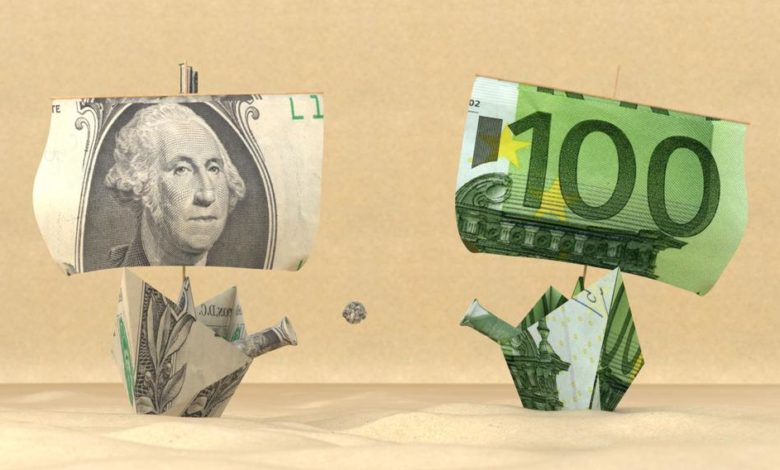
Since 2014, the value of trade between the European Union and the United States has more than doubled. In 2024, the Union achieved a record rehabmy of trade with the USA, while the deficit in services – in favor of Americans – deepened significantly compared to 2014.
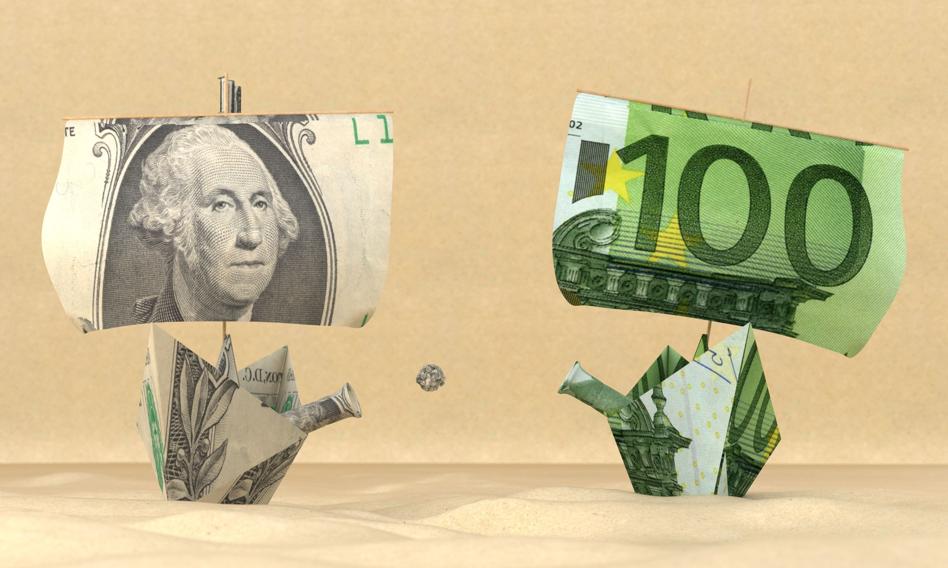

According to EU data, in 2024 the total value of trade between the EU and the US was EUR 1.68 trillion, about twice as much as 10 years earlier. The goods accounted for EUR 867 billion, and services – EUR 817 billion.
Last year, the European Union exported goods to the United States worth EUR 532.3 billion, importing products for EUR 334.8 billion. This gave her a freight surplus at the level of EUR 198 billion – by almost 50 percent. higher than ten years earlier.
Advertisement
Currently, the EU exports to the USA mainly:
- pharmaceuticals (22.5 percent),
- vehicles (9.6 percent) and industrial machines,
It mainly imports energy raw materials (oil, gas) and pharmaceuticals.
Though The old continent is doing better in trading in goods from the USA, but it “overslept” when it comes to servicesi. In 10 years, the EU deficit in trade from the US has increased significantly – from around EUR 40 billion to nearly EUR 70 billion.
This is the result of US domination in the export of digital services, such as: software, internet platforms, data processing or online advertising.
Americans are the owners of companies such as Google, Apple, Microsoft, Meta, and Amazon. These companies generate huge sales revenues in the EU, and the Member States do not have enterprises that could match them by force and scale of activity.
Americans also prevail in the field of financial services and consulting. American investment banks, such as JP Morgan or Goldman Sachs, assets management funds such as Blackrock and Vanguard, or insurance companies provide services to many European clients. American corporations also earn huge funds on license fees, patents, trademarks, e.g. in pharmacy, or sector of modern technologies.
American companies that operate on the European market often do not pay taxes on it, and if they pay, they are small. Through a complex network of companies associated with the headquarters, profits often go where taxes are low. This increases the value of the import of services to the EU.
As a result, the EU “earns” on exports to the USA goods, such as cars, pharmaceuticals, machines, and the USA on digital, financial and intellectual services.
The European Union has repeatedly attempted to introduce digital tax to tax technological giants such as Google, Amazon or Facebook. Brussels planned that revenues from this tax would receive EU money, but ultimately – fearing the escalation of the trade war with the new administration of US President Donald Trump and sanctions – she withdrew from this idea.
Currently, it is difficult to assess what impact on mutual economic relations will have a commercial agreement compact at the weekend in Scotland.
Growth of American duties to 15 percent It may mean a decrease in EU competitiveness in the USA – the need to increase prices or lower profits for European companies. Exports to the USA may fall due to a new customs tariff, and this will improve the balance in the trading of goods to the US.
According to the AP agency, economists estimate that new trade conditions may reduce the European Union GDP by up to 0.5 percent. According to this agency, the EU automotive industry will suffer the most. The media among the potential “victims” of new American duties also mention the EU chemical sector.
American exporters, in turn, are to gain some EU duties (e.g. for cars from 10 % to 2.5 percent). The EU also undertook to buy, among others energy from the USA, which may mean more imports to the EU oil or LNG gas market on the other side of the Atlantic.
Joern Fleck from the Atlantic Council believes that the parties “avoided a self -destructive trade war” in the world's most important economic partnership. He emphasizes, however, that the true assessment of the effectiveness of the contract will only be possible after the details of sectoral tariffs and non -lodge barriers will be refined.
L. Daniel Mullaney, a former US trade representative, cited by the Atlantic Council, indicates that despite the rhetoric of “restoring balance” 15 % tariffs for goods from the EU will be controversial in Europe, can be perceived as a violation of international trade principles and lead to a new conflict on the Brussels-Washington line.
Experts agree that the details of the automotive sector (production in the USA and exports from the EU) and opening European markets will be crucial for the factual assessments of the concessions of both sides.
In turn, another Atlantic Council analyst, Erik Brattberg, reminded on the pages of this Think-Tank that the promise of the EU's purchase of American energy and military equipment is legally non-binding, and many Member States planned such transactions.
He also assessed that the agreement has a significant importance beyond trade – in his opinion, this is a way to “maintain the involvement of Donald Trump in Europe” during the security crisis.
From Brussels Łukasz Osiński (PAP)
luo/ mms/ lm/