The media writes that the Indian oil and gas company Reliance Industries (RIL) purchased cargoes of Russian oil for deliveries in March. The purchase became possible after the US granted New Delhi a 30-day sanctions waiver on March 6 for cargo loaded onto ships.
According to agency sources, Urals cargoes were purchased at prices ranging from a $1 discount to a $1 premium relative to Brent futures.
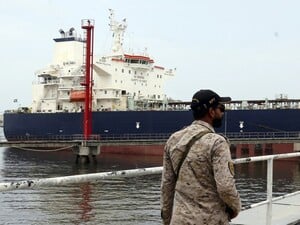
Reuters notes that India, the world's third-largest oil importer, imports about 40% of its oil from the Middle East through the Strait of Hormuz.
Context
On October 22, the US Treasury Department imposed sanctions against Rosneft and Lukoil; on October 24, Bloomberg reported that the Indian RIL began purchasing oil from the Middle East and the United States to ensure supplies.
In January, the company said that it did not expect any oil supplies from the aggressor country of the Russian Federation. Reuters wrote that this could reduce imports of Russian raw materials to the lowest level in recent years.
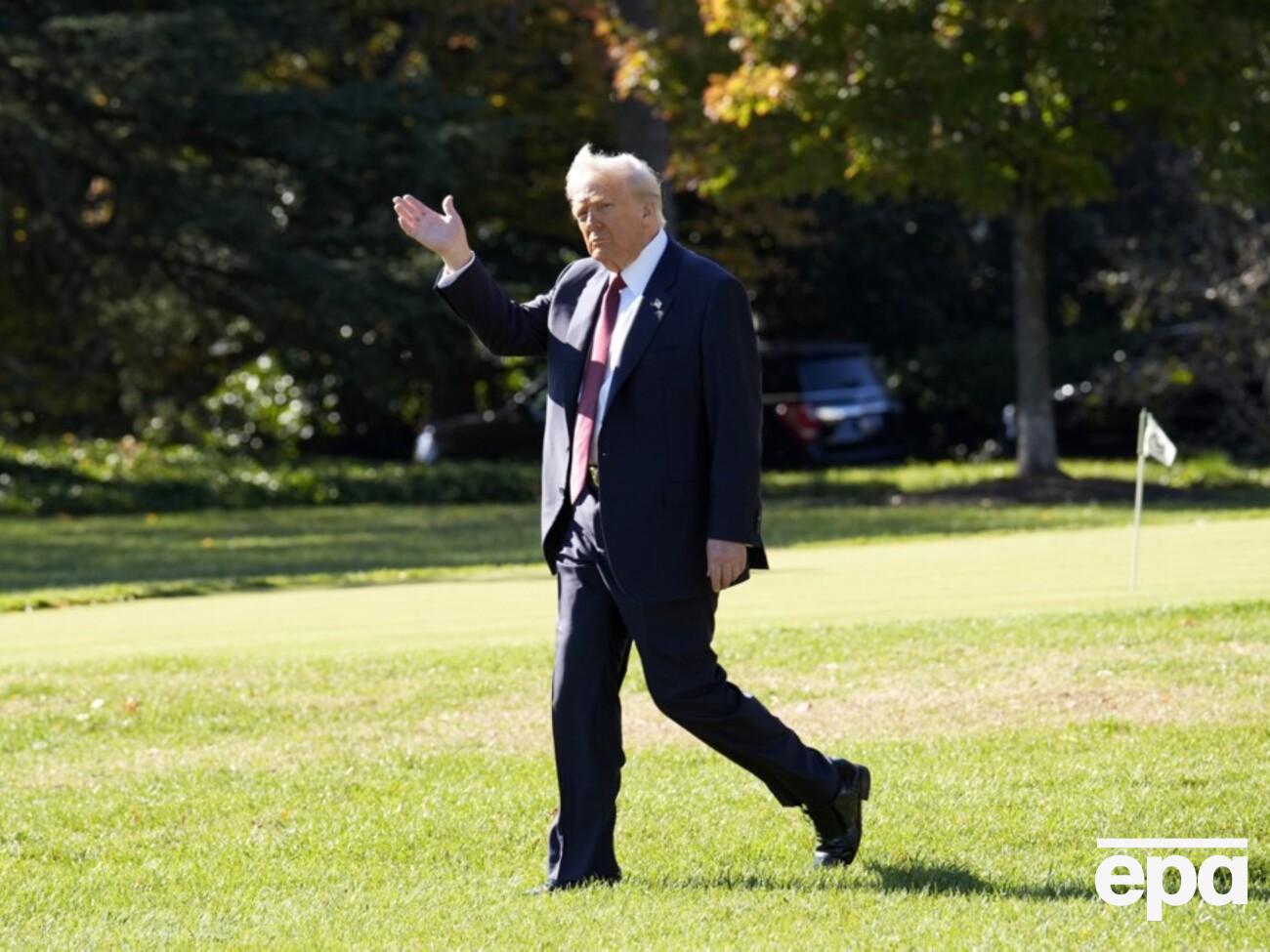
On February 2, US President Donald Trump announced that he had held talks with Indian Prime Minister Narendra Modi and India allegedly agreed to stop buying Russian oil, significantly increase purchases of American goods and reduce duties on US goods. The Indian side did not publicly confirm this, but subsequently the media began to write that Indian oil refining companies were refusing to purchase Russian oil for deliveries in March-April and would likely avoid such transactions in the future.
On February 28, Bloomberg warned that due to hostilities with the United States and Israel, Iran is considering closing the Strait of Hormuz, one of the most important routes for global oil trade, through which millions of barrels of crude oil and petroleum products pass daily from the Middle East to Asia, Europe and the United States. Shipping through the Strait of Hormuz virtually stopped on March 1, and oil prices began to rise. Against this backdrop, the United States temporarily released India from sanctions.