The options now on Trump's table to stop the rise in oil prices. “Marginal, symbolic or deeply thoughtless”

US President Donald Trump is expected to consider as early as Monday a series of options aimed at tempering oil prices, which have risen above $100 a barrel because of the war with Iran, two people familiar with the matter told the Reuters news agency.
The effort reflects White House concern that rising crude oil prices will hurt American companies and consumers ahead of November's midterm elections, when Trump's fellow Republicans hope to retain control of Congress.
US officials in Washington have discussed with their counterparts from the Group of Seven major economies (G7) a possible joint release of crude oil from strategic reserves as one of the measures currently under discussion, the sources said.
Other options include restricting U.S. exports, intervening in oil futures markets, waiving some federal taxes and eliminating requirements under a U.S. law called the Jones Act, which stipulates that domestic fuel shipments can only be made on U.S.-flagged ships — among other measures being considered, the sources said, speaking on condition of anonymity.
Analysts say U.S. policy options will have little influence on global oil markets as long as the conflict blocks Middle Eastern crude exports through the Strait of Hormuz — supplies that account for a fifth of global supply.
“The White House is constantly coordinating with relevant agencies on this important matter because it is an absolute priority for the president. President Trump and his entire energy team had a solid plan to maintain stability in energy markets long before Operation Epic Fury began and will continue to explore all credible options,” White House spokeswoman Taylor Rogers said in a statement, referring to the naming of the US and Israeli military operations against Iran.
“The problem is…”
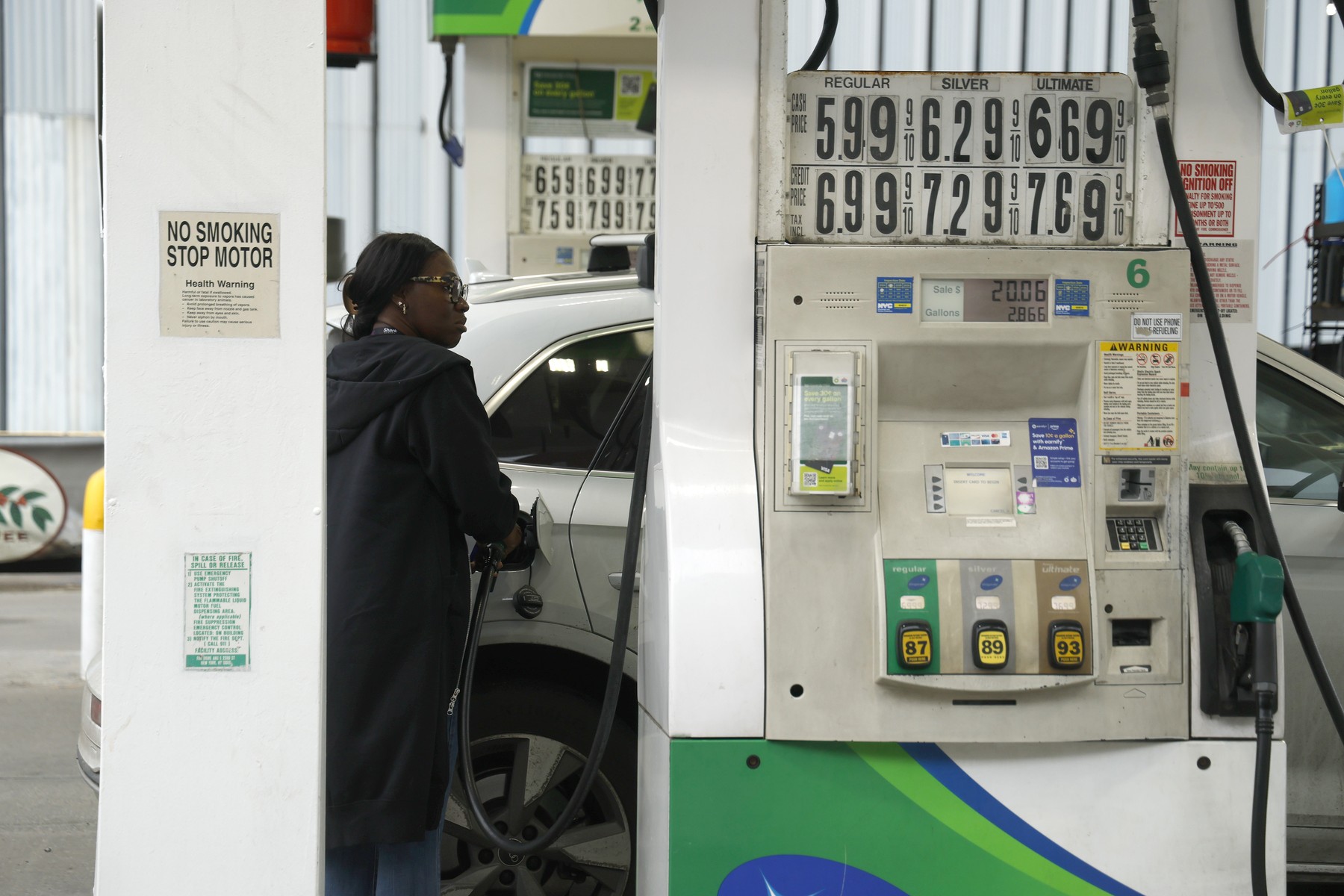
Global crude oil prices have hit levels not seen since mid-2022, briefly touching $119 a barrel on Monday, and gasoline and other fuel costs have risen steadily following the attacks by the US and Israel launched on February 28.
Last week, the White House asked federal agencies to come up with proposals that could help reduce pressure on crude oil and gasoline prices, Reuters previously reported. The talks involve senior White House officials, including White House chief of staff Susie Wiles and senior adviser Stephen Miller, the sources said.
Analysts and industry officials say White House officials have few meaningful tools to quickly reduce the steep rise in oil prices unless authorities can restore the flow of tankers through the Strait of Hormuz, the narrow channel between Iran and Oman that carries about a fifth of the world's oil supply.
“The problem is that the options range from marginal to symbolic measures to deeply reckless ones,” said one of the sources, who is working with the White House on this effort.
The turmoil in energy markets comes at a delicate time for President Trump, who has sought to keep fuel prices low as a cornerstone of his economic message to voters.
A prolonged increase in oil and gasoline prices could have repercussions for the US economy as a whole, driving up the prices of transportation and consumer products.
The White House's plan to provide naval escort and protection insurance for oil tankers crossing the Strait of Hormuz has so far failed to significantly boost maritime traffic in this waterway vital to the world economy.