
VIDEO Panic, but also relief. What is the atmosphere in the streets of Tehran after the attacks


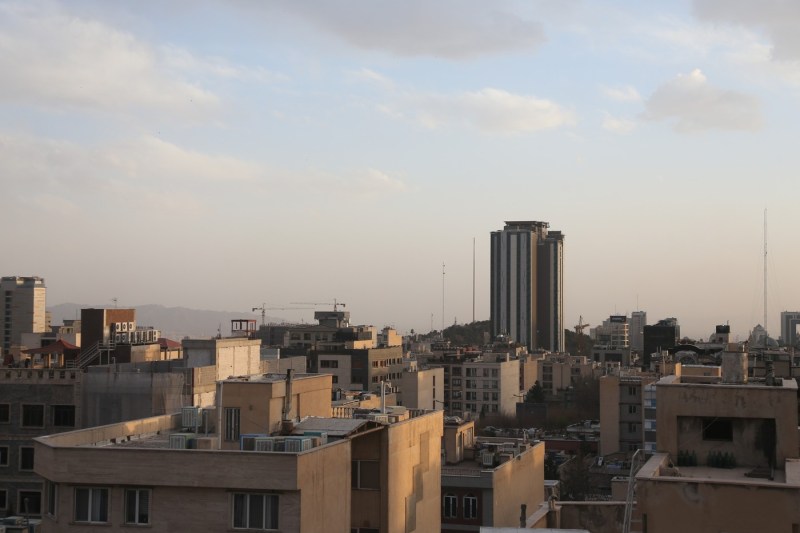
Photo from Tehran on February 28 Photo: Sha Dati / Xinhua News / Profimedia
Shortly after the Israeli and American attacks, images appeared online showing people near the blast sites running in panic, while screams and cries could be heard in the background. But according to BBC Persian, at the same time there is a sense of relief, even celebration, among those who believe that the end of the regime can only come through military intervention.
The BBC analyzed numerous social media videos to see what the atmosphere is like in Iran. In one video, a woman speaks with obvious happiness, stating that Ayatollah Khamenei's residence has been hit. Another clip shows teenagers at a school dancing and chanting: “I love Trump.”
CNN also showed images from the Iranian capital of cars stuck on the streets of Tehran, with heavy traffic on major thoroughfares. Many of Tehran's nearly 9 million residents chose to leave for fear of further attacks.
In fact, many people expected a possible attack on Iran given the public statements made by international officials. Since last night, long queues have formed at gas stations, and many residents of the capital have started to leave the city to the north, near the Caspian Sea, which they consider safer.
 LIVE Iran's response, after the coordinated attack by the US and Israel. Explosions in the Gulf countries / Trump, to the Iranians: “Perhaps the only chance to get rid of the regime” / All details
“It was a normal day”
As Iran has been in an almost total internet blackout since the attacks began, the BBC points out that it has been difficult to get in touch with locals. Some people have been able to access the Internet briefly using methods such as SpaceX's Starlink satellite Internet and virtual private networks.
Thus, the BBC managed to contact a number of pro-regime personalities who spoke about the situation in Tehran.
“I heard a lot of explosions. I live in central Tehran,” one of them told BBC Newshour. “It was a normal day until the United States and Israel started attacking the city. Our children left for school in the morning. We had to go get them.”
The aftermath of air strikes in Tehran could be seen on Saturday in videos sent to Iran International, after US and Israeli officials confirmed a joint air campaign was underway. pic.twitter.com/8sa745hmGn
— Iran International English (@IranIntl_En) February 28, 2026
Another told the BBC program he heard fighter jets and two explosions in the early morning from his office in the north of the city. The atmosphere was tense and there was a sense of war in the air, the man says
A resident told BBC Persian via Starlink that he had seen a heavy presence of security forces on the streets leading to the House of Leadership compound, the office of Iran's Supreme Leader Ali Khamenei.
Footage circulating online appeared to show smoke rising in central Tehran after a reported strike near Iran's Supreme Leader's office complex. pic.twitter.com/f3ac9a0jOf
— Iran International English (@IranIntl_En) February 28, 2026
“If I die, don't forget that we exist too”
Before the internet was blocked, some people posted messages on social media in case they were killed in the airstrikes.
“If they die, remember that we exist too – we who oppose any military attack, we who will become just a number in the death reports,” one Iranian wrote on social media. Another wrote: “To hell with the Islamic dictatorship that caused this war. I've already endured three wars.”
Some posts highlight communication difficulties and fear for children caught up in the conflict: “The internet is almost down… If the network goes down completely, please know that we are not soldiers of any leader or collateral victims,” another user said.
“We are human and we have the right to live. Try to ensure a democratic future that does not depend on individuals.”
Another user wrote: “Promise us that if something happens to us, you'll take care of our kids and be very, very good to them. Tell them I did everything I could – participated in silent marches, voted, worked multiple shifts, endured great hardship.”
According to BBC Persian, many Iranians who lived through what has been described as one of the bloodiest crackdowns on civilians in modern history say they now welcome regime change – even if it comes through military intervention and the killing of senior officials.
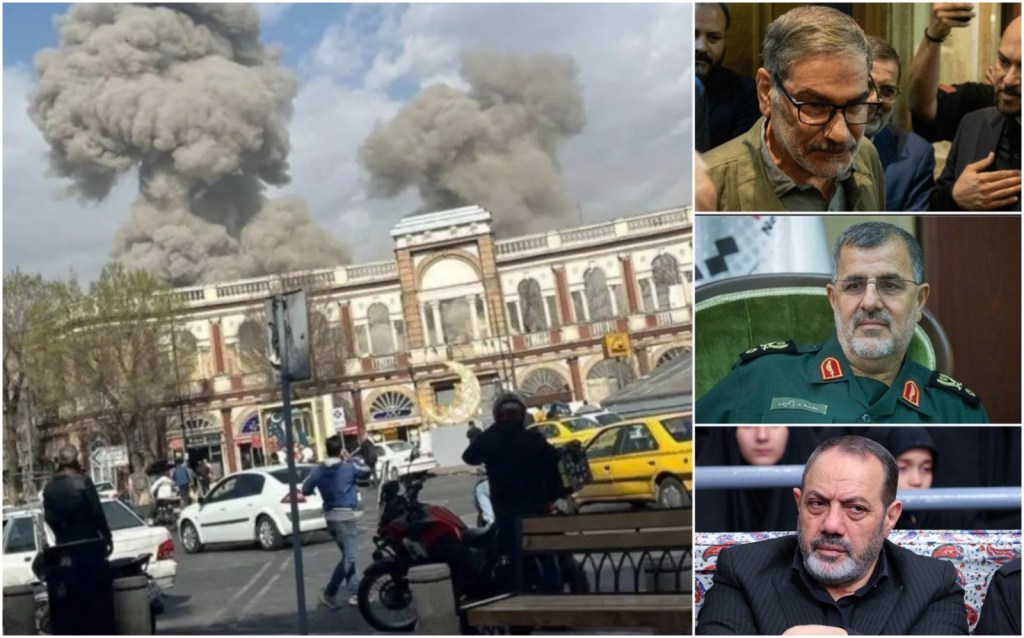 Several top Iranian officials killed in US-Israel strikes. who i am


