“I am appalled.” A few hours before the US attack, Omani mediators were announcing that a deal with Iran was “within reach”. What am I saying now?

“Active and serious negotiations have been undermined again,” said Omani officials, who on Friday were confident that the US-Iran talks were close to a positive outcome, according to an interview with CBS.
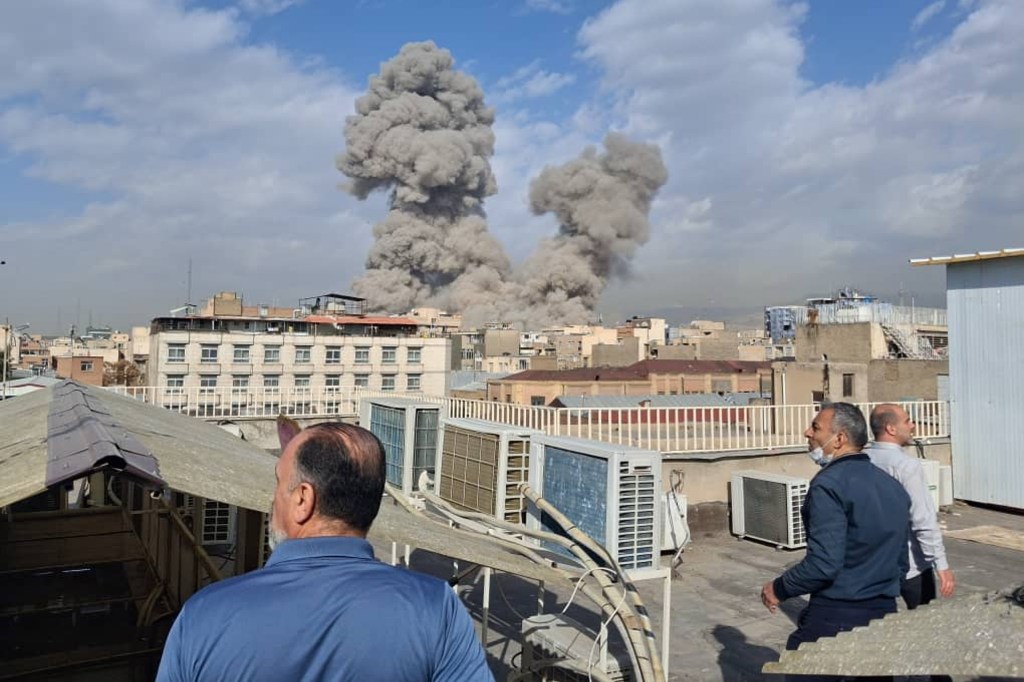 LIVE Trump to Iranians: “There will be bombs everywhere. It may be your only chance to get rid of the regime.” US and Israel strike 'coordinated' / Iran launches wave after wave of missiles and drones at Israel and Gulf countries with US bases / All we know at this point
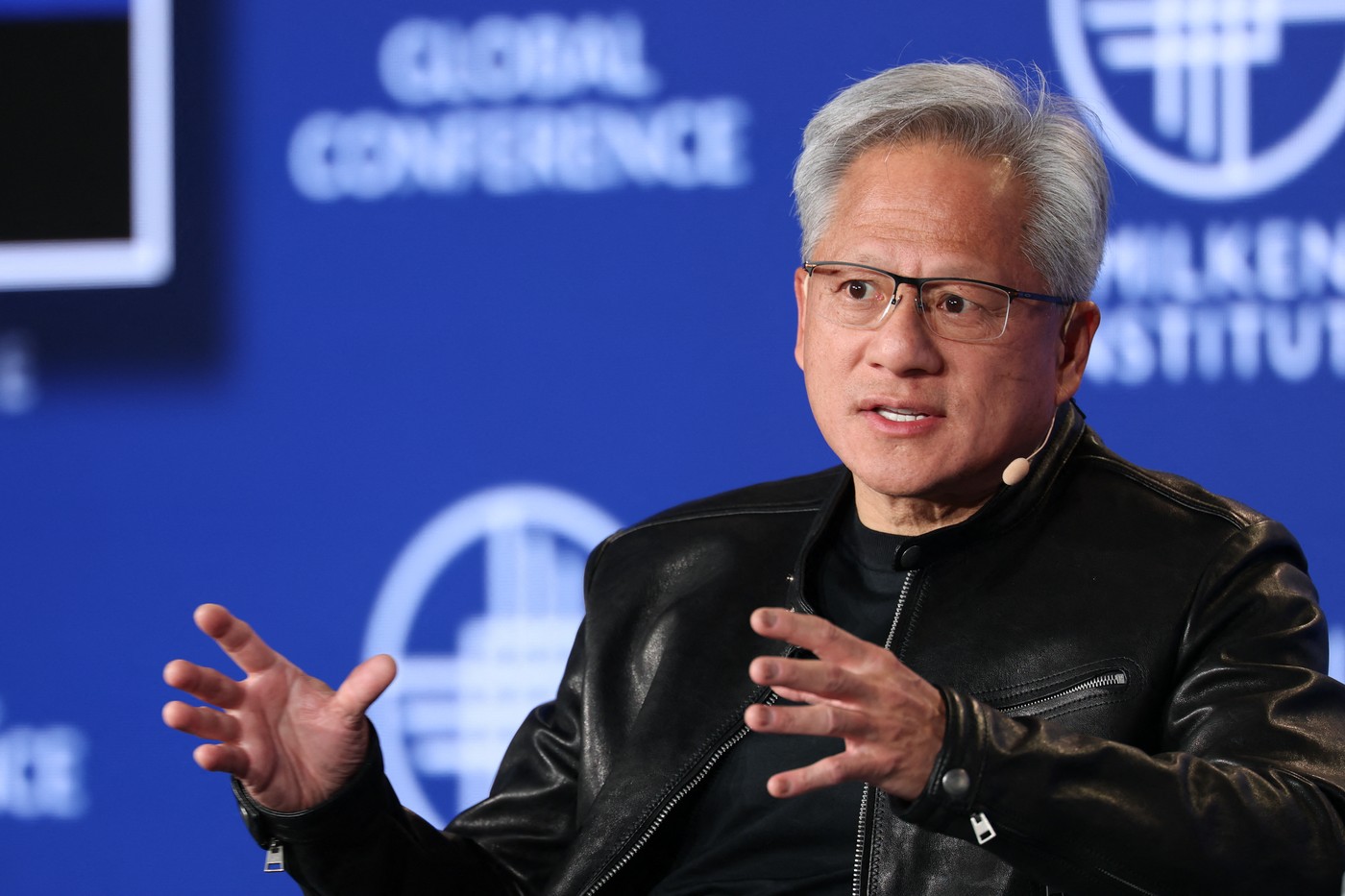
Badr Albusaidi, the foreign minister of Oman, the man who mediated the negotiations between the United States and Iran before the attacks, criticized Trump's decision to escalate the conflict.
“I am appalled. Active and serious negotiations have once again been undermined. This serves neither the interests of the United States nor the cause of world peace,” Albusaidi wrote on X.
“And I pray for the innocents who will suffer. I urge the United States not to get drawn further into this conflict. This is not your war,” the Omani official added.
Al Jazeera reported on Saturday that the only country in the Gulf Cooperation Council that Iran has not attacked so far is Oman.
For years, Oman has served as a bridge between Iran and other states in the region and beyond.
“A peace deal is within reach”
Just hours before the United States and Israel launched attacks on Iran, Oman's foreign minister announced a major breakthrough in US-Iran negotiations.
“A peace deal is within reach if we allow diplomacy the space it needs to get there,” Badr Albusaidi said in an interview with CBS on Friday, adding that the main obstacles to a deal had been overcome.
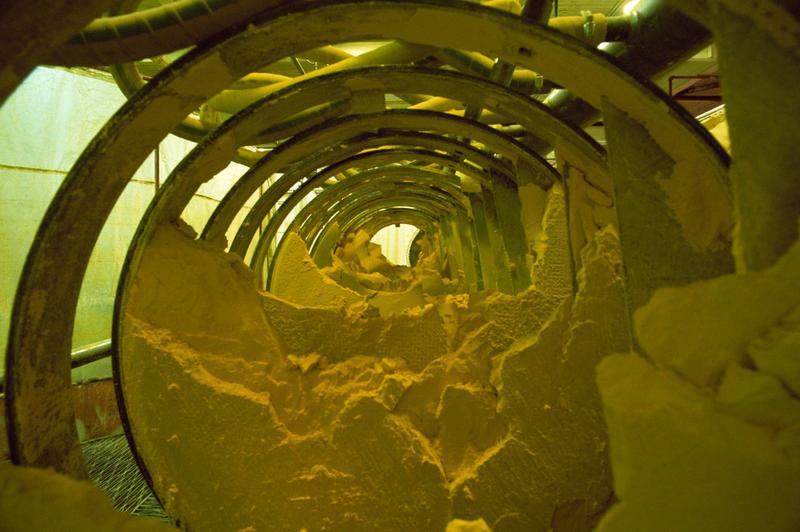 Iran agrees not to stockpile enriched uranium, Geneva talks mediator says. “If you can't stockpile, you can't make a bomb”
“If the ultimate goal is to make sure that Iran can never have a nuclear bomb, I think we've solved that problem through these negotiations, reaching a very important agreement that has never been reached before,” he said.
“The most important achievement, I think, is the agreement that Iran will never have the nuclear material to create a bomb,” he said.
What Tehran had accepted, according to Omani mediators
Albusaidi said Iran had agreed not to stockpile excess nuclear material that could be used to build a bomb, a concession he said went beyond the limits set by the 2015 nuclear deal negotiated during the Obama administration.
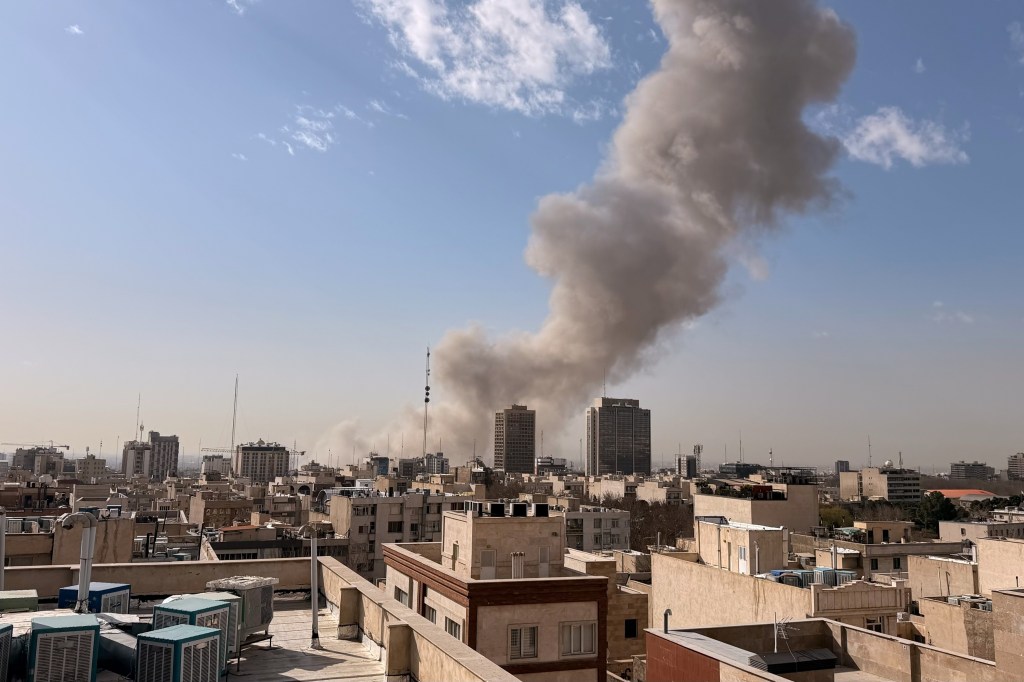 This is the number one target of the massive attack launched by the US and Israel in Iran. Did he survive? What the latest information says
“It's an aspect that has been very little publicized and I want to clarify this from a mediator's perspective,” he said.
“There will be no stockpiling, no stockpiling and there will be full verification by the (UN nuclear agency), the IAEA,” he added.
Trump was unhappy with the negotiations
The Omani official's comments came hours after President Donald Trump told reporters he was “not happy” with the talks, saying Iran was “not willing to give us what we need to have.”
Donald Trump insisted on Friday that he does not want any uranium enrichment on Iranian soil. “I say zero enrichment,” he said. “Not 20%, not 30%. They always want 20%, 30%… They say it's for civilian use, for civilian purposes. I think it's not civilian at all,” Trump added.
Asked by a reporter how close he was to making a decision on whether to launch a military strike, Trump said: “I'd rather not tell you.”
The US was also demanding limitations on the missile program
The latest round of US-Iran negotiations took place in Geneva on Thursday.
Iran's proposals have not been made public, but observers said one option discussed was the creation of a regional uranium enrichment consortium, an idea that has been broached in previous negotiations, as well as ideas about the destination of Iran's roughly 400kg stockpile of highly enriched uranium.
In return, Iran wanted the lifting of sanctions that had crippled its economy.
Although the talks focused specifically on Iran's nuclear program, US Secretary of State Marco Rubio said Iran's refusal to discuss its ballistic missile program is a “major issue” that will eventually need to be addressed because the missiles are “solely designed to hit America” and pose a threat to regional stability.
“If progress cannot be made even on the nuclear program, it will be difficult to make progress on ballistic missiles,” Rubio told reporters in Saint Kitts on Wednesday night.
Iran has already rejected discussing limits to its ballistic missile program and ending support for allied groups in the region — an alliance Tehran calls the “Axis of Resistance” that includes Hamas in Gaza, Hezbollah in Lebanon, Iraq's militias and Yemen's Houthis.