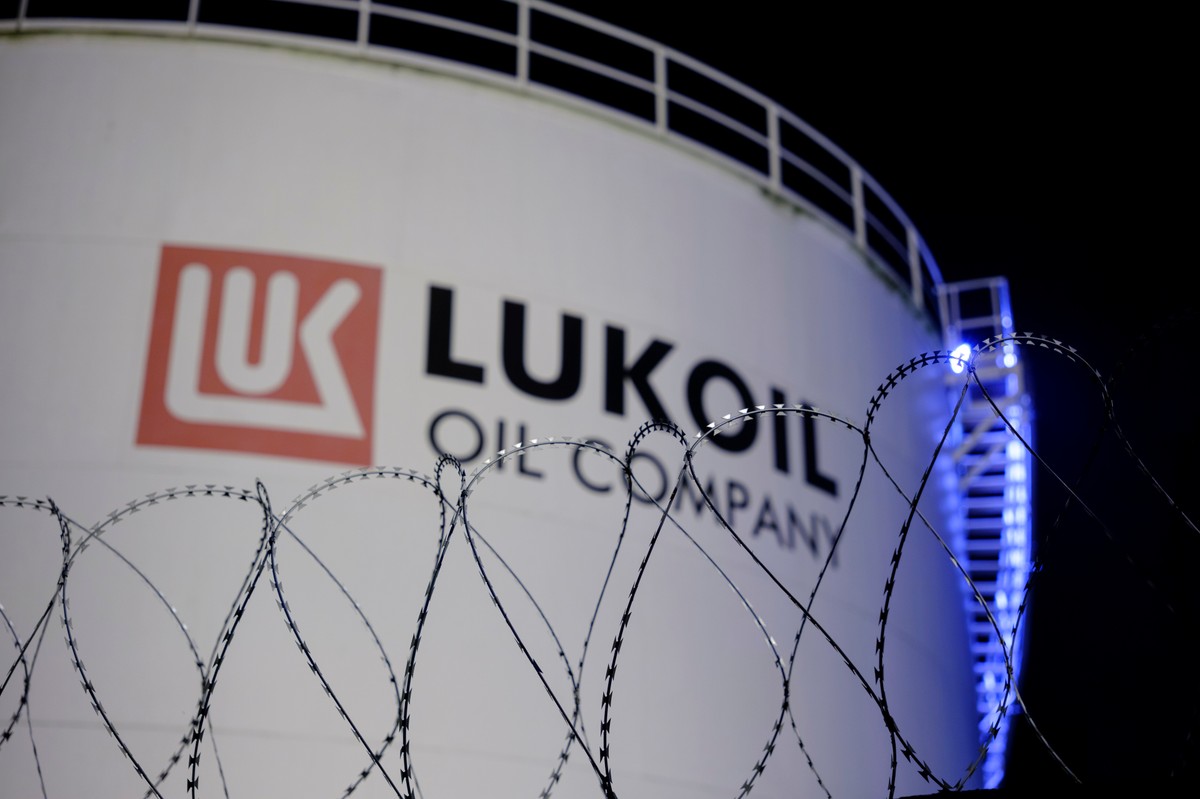
A document from the US Office of Foreign Assets Control (OFAC), obtained by Reuters, shows that the deadline for finalizing the contracts was postponed from February 28 to April 1.
The rest of the text below the video
Read also: Buying an apartment in Poland. What influences the real costs of maintaining the premises
This is the second postponement since sanctions were imposed in October OFAC rescheduled the sale of assets worth an estimated $22 billion three times.
Sanctions in the background of negotiations with Russia
In recent weeks, representatives of the US, Russia and Ukraine met in Geneva, Abu Dhabi and Miami, but no breakthrough was achieved. During the talks, the topics discussed included: American sanctions against Rosneft and Lukoil. The next round of negotiations is planned for March.
According to one US official, the deadline has been postponed “facilitate ongoing negotiations with Lukoil and reach an agreement in support of President Donald Trump's efforts“intended to deprive Russia of the revenues needed to finance its war machine and to bring about peace.”
The condition of a possible agreement is that the value of the assets is not determined in advance and that all proceeds from the sale are deposited in blocked accounts under US jurisdiction.
Read also: Buying an apartment in Poland. What influences the real costs of maintaining the premises
Global assets and broad interest
The sale was forced by the sanctions regime. These include oil deposits, refineries and gas station networks in countries from Iraq to Finland. Several bidders have expressed interest in the purchase – from the American giant ExxonMobil to entities related to investment funds.. A company including Chevron and Quantum Capital Group is also participating in the talks.
Although OFAC is formally responsible for the process, Reuters sources indicate that recently high-ranking officials from the White House, the Department of State and the Ministry of Finance have become more directly involved in the matter, including Secretary of the Treasury Scott Bessent. Everything indicates that the fate of Lukoil's assets has become part of a broader geopolitical puzzle.